Sell from home is more than just a trend; it’s a transformative lifestyle choice that offers unparalleled flexibility and autonomy. This exploration delves into the profound allure of earning an income while nestled in the comfort of your own dwelling, uncovering the psychological anchors and practical advantages that draw individuals towards this increasingly popular path. We will navigate the evolving societal landscape and technological advancements that have paved the way for a thriving home-based economy, revealing the diverse emotional satisfactions that bloom when one cultivates a successful venture from their personal sanctuary.

The journey into selling from home requires a foundational understanding of what it takes to not only start but to truly flourish. This involves cultivating specific personal attributes like resilience and self-discipline, alongside acquiring essential tools and resources, both digital and physical. Furthermore, dedicating and optimizing a physical space within your home is paramount to fostering an efficient and productive selling environment.

By mastering these initial elements, aspiring home-based entrepreneurs can lay a robust groundwork for their endeavors.

Identifying the Foundational Elements for a Successful Home-Based Selling Venture

Sell from home

Embarking on a journey to sell from home is an exciting prospect, offering flexibility and autonomy. However, to truly flourish in this environment, a robust foundation built on specific personal attributes, essential resources, and a well-structured workspace is paramount. This section delves into these critical components, providing a roadmap for aspiring home-based entrepreneurs to establish a thriving business.

Essential Personal Attributes and Mindset Shifts for Home-Based Selling

Success in selling from home is not solely about the product or service; it’s deeply intertwined with the individual’s internal compass and adaptability. The shift from a traditional work setting to a home-based operation demands a significant recalibration of personal discipline and mental fortitude. Resilience, in particular, becomes a non-negotiable trait. Home-based selling often involves navigating unpredictable market fluctuations, occasional customer service challenges, and the inherent distractions of a domestic environment.

The ability to bounce back from setbacks, learn from mistakes, and maintain a positive outlook is crucial for sustained effort and eventual triumph. This means viewing rejections not as failures, but as opportunities for refinement and growth.Equally vital is an unwavering sense of self-discipline. Without the external structure of an office, the onus falls entirely on the individual to manage their time effectively, set realistic goals, and adhere to a productive schedule.

This involves creating routines, prioritizing tasks, and resisting the temptation of procrastination that can easily creep in when the boundaries between work and personal life blur. Developing a strong internal motivation, a “why” that fuels consistent action, is key. This might stem from a passion for the product, a desire for financial independence, or the pursuit of a better work-life balance.

Furthermore, a proactive mindset is essential. Instead of waiting for opportunities, home-based sellers must actively seek them out, whether through networking, marketing, or continuous learning about their industry and customer base. Embracing a growth mindset, where challenges are seen as chances to expand skills and knowledge, is also indispensable. This includes being open to new technologies, adapting to evolving customer preferences, and constantly seeking ways to improve the selling process.

The ability to self-assess, identify areas for improvement, and implement changes without external oversight is a hallmark of a successful home-based entrepreneur.

Crucial Tools and Resources for Initial Home-Based Selling Operations

To launch a home-based selling venture, a strategic investment in the right tools and resources is fundamental. These elements streamline operations, enhance customer engagement, and project a professional image, even from the comfort of your home. The selection of these resources should be guided by the specific nature of the business, but a core set of digital and physical assets will serve most ventures effectively.Here is a comprehensive list of the basic tools and resources crucial for setting up an initial operation for selling from home:

  • Reliable Internet Connection: A stable and high-speed internet connection is the backbone of any online business. It ensures seamless communication, efficient order processing, and smooth access to online platforms.
  • Computer or Laptop: A functional computer is essential for managing inventory, processing orders, communicating with customers, creating marketing materials, and accessing e-commerce platforms.
  • Smartphone: A smartphone is invaluable for on-the-go communication, social media management, capturing product photos and videos, and utilizing various business apps.
  • E-commerce Platform or Website: Depending on the business model, a dedicated e-commerce platform (like Shopify, Etsy, or eBay) or a self-hosted website is necessary to showcase products and facilitate transactions.
  • Payment Processing System: Secure and efficient payment gateways (e.g., Stripe, PayPal, Square) are vital for accepting payments from customers.
  • Communication Tools: This includes email services, instant messaging applications (like Slack or WhatsApp Business), and potentially a dedicated business phone line or VoIP service for professional client interactions.
  • Inventory Management System: Whether it’s a simple spreadsheet or specialized software, a system to track stock levels, monitor sales, and forecast needs is critical to avoid stockouts or overstocking.
  • Shipping and Packaging Supplies: Depending on the product, this includes appropriate boxes, mailers, bubble wrap, packing tape, and a reliable shipping scale.
  • Basic Office Supplies: Pens, paper, a printer/scanner, labels, and organizational tools are necessary for administrative tasks and order fulfillment.
  • Marketing and Design Tools: Access to graphic design software (even free online tools like Canva) for creating promotional materials and social media content is beneficial.
  • Accounting Software or Spreadsheet: Tools to track income, expenses, and manage finances are essential for financial health and tax purposes.

Creating a Dedicated and Optimized Physical Space for Selling Activities

The physical environment within your home plays a surprisingly significant role in the success and efficiency of a home-based selling venture. Designating and optimizing a specific space for your business activities is not merely about aesthetics; it’s about creating an environment that fosters productivity, minimizes distractions, and enhances workflow. This dedicated area acts as a mental cue, signaling to your brain that it’s time to focus on business, separating it from the relaxation and personal activities associated with other parts of your home.An optimized workspace should be well-lit, ideally with natural light, as it can improve mood and reduce eye strain.

Adequate artificial lighting is also important for working during evenings or on overcast days. The space should be organized, with all necessary tools and supplies within easy reach. This minimizes time spent searching for items and prevents interruptions to your workflow. Consider ergonomic considerations: a comfortable chair and a desk at the appropriate height can prevent physical discomfort and long-term health issues, which are crucial when you’re spending extended periods working.Furthermore, the location of your workspace within the home can be strategic.

If possible, choose a room that can be closed off to minimize household noise and distractions. This creates a clear boundary between your professional life and your personal life, which is vital for maintaining work-life balance and preventing burnout. For businesses that involve inventory, a dedicated storage area that is clean, dry, and organized is essential. This ensures products are kept in good condition and can be easily located for packing and shipping.

Even a small corner of a room can be transformed into a functional workspace with the right organizational solutions, such as shelves, drawers, and filing cabinets. The goal is to create a professional and efficient environment that supports your business objectives, allowing you to operate with focus and confidence.

Exploring the diverse spectrum of products and services that lend themselves well to being sold from home.

Sell from home

The world of home-based selling is incredibly vast, offering opportunities for entrepreneurs to leverage their skills, passions, and resources without the need for a physical storefront. This adaptability means a wide array of products and services can thrive in a remote environment, catering to diverse customer needs and market trends. Understanding this spectrum is crucial for identifying a viable business idea.The success of a home-based venture often hinges on selecting the right product or service.

Factors like market demand, operational feasibility from a home setting, and the entrepreneur’s own capabilities play significant roles. From handcrafted items to specialized consulting, the possibilities are extensive, requiring careful consideration to align with a home-based model.

Tangible Goods Versus Digital Products or Services: A Comparative Analysis

When considering a home-based selling venture, a fundamental decision revolves around whether to offer tangible goods or digital products/services. Each category presents distinct advantages and disadvantages that directly impact operational complexity, market reach, and potential profitability.Selling tangible goods, such as artisanal crafts, custom apparel, or specialized home decor, often taps into a desire for physical products that consumers can see, touch, and own.

The primary advantage here is the potential for higher perceived value and the creation of a loyal customer base through unique, physical offerings. Customers may also find tangible goods more straightforward to understand and purchase. However, the operational complexity is significantly higher. Inventory management becomes a critical concern, requiring dedicated storage space, meticulous tracking, and a robust system for handling stock levels.

Shipping logistics are another major hurdle. This involves sourcing packaging materials, calculating shipping costs accurately, coordinating with carriers, and managing returns, all of which can be time-consuming and expensive. The risk of damage during transit and the need for insurance also add layers of complexity. Market demand for tangible goods can be robust, but competition can also be fierce, especially for widely available items.Conversely, digital products and services, like e-books, online courses, software, graphic design templates, or consulting services, offer a different set of benefits and challenges.

The most significant advantage is the scalability and low overhead. Once created, digital products can be sold repeatedly with minimal additional cost. Inventory is non-existent, and shipping is entirely eliminated, drastically reducing operational complexity. Customer interaction often happens digitally, through email, video calls, or online platforms. Market demand for digital offerings is continually growing, driven by the increasing reliance on online resources and remote services.

The disadvantage, however, lies in the initial creation effort and the potential for intellectual property theft or widespread unauthorized sharing. Building trust and credibility for digital services can also take time, as customers are investing in something intangible. The market can also be saturated with free or low-cost alternatives, requiring strong differentiation and marketing to stand out. While tangible goods offer immediate gratification, digital products provide convenience and accessibility, each appealing to different consumer preferences and market segments.

Niche Markets and Underserved Customer Bases for Home-Based Selling

Identifying specific niche markets and underserved customer bases is a strategic imperative for home-based entrepreneurs seeking to carve out a successful venture. These segments often represent less crowded arenas where specialized offerings can command premium pricing and foster strong customer loyalty.One such area is the growing market for sustainable and eco-friendly products. Consumers are increasingly conscious of their environmental impact, creating demand for items like reusable home goods, ethically sourced clothing, natural beauty products, or upcycled decor.

Many of these items are well-suited for home production and direct-to-consumer sales, bypassing large retailers. For example, a home-based business creating bespoke beeswax wraps or natural cleaning solutions can target environmentally aware households.Another promising niche is specialized pet supplies and services. Beyond generic pet food and toys, there’s a demand for unique, high-quality items catering to specific pet needs or breeds.

This could include custom-designed pet beds for particular breeds, handcrafted gourmet pet treats with dietary specifications, or online training and behavior consultation services for owners facing specific challenges. The emotional connection people have with their pets fuels a willingness to invest in specialized care and products.The burgeoning market for personalized and custom gifts also presents significant opportunities. This encompasses everything from engraved jewelry and custom portrait art to personalized stationery and bespoke event decorations.

Home-based entrepreneurs with creative skills can leverage platforms to showcase their ability to create unique, meaningful items that cater to individual customer requests. This allows for higher profit margins as the product is tailored to the buyer.Underserved customer bases often exist within specific demographic groups or those with unique needs. Consider the elderly population, who may benefit from convenient home delivery of essential goods, personalized assistive devices, or companionship services.

Similarly, individuals with specific dietary restrictions (e.g., gluten-free, vegan, allergen-free) often struggle to find suitable pre-made products, creating a market for home-baked goods or meal kits. Remote workers seeking to enhance their home office setup could be a target for ergonomically designed accessories or organizational solutions. The key is to pinpoint a group whose needs are not adequately met by mainstream offerings and to develop a product or service that directly addresses those gaps.

Framework for Evaluating Product or Service Suitability for a Home-Based Model

Establishing a robust framework for evaluating the suitability of a product or service for a home-based selling model is essential for minimizing risk and maximizing the chances of success. This process involves a multi-faceted assessment, considering operational, market, and personal factors.The first critical component is Logistical Feasibility. This involves a thorough assessment of how the product or service will be handled from creation or acquisition to delivery to the customer.* Inventory Management: For tangible goods, where will inventory be stored?

Is there sufficient, secure, and organized space? What is the shelf life of the product? For digital products, the challenge shifts to version control and secure delivery mechanisms.

Shipping and Fulfillment

If selling tangible items, what are the shipping costs and complexities? Will you be packing and shipping yourself, or using a third-party service? Are there fragile items that require special packaging? For digital products, the focus is on reliable download or access systems.

Production/Creation Process

Can the product be realistically created or assembled in a home environment? Are there any safety regulations or specialized equipment requirements that are difficult to meet at home? For services, can the service be delivered effectively remotely?The second pillar is Market Demand and Viability. This involves understanding the target audience and the competitive landscape.* Target Customer Identification: Who is the ideal customer for this product or service?

What are their needs, preferences, and purchasing habits? Is this customer base accessible from a home-based operation?

Market Size and Growth Potential

Is there a sufficient number of potential customers to sustain the business? Is the market growing or shrinking?

Competitive Analysis

Who are the existing competitors, both home-based and traditional? What are their strengths and weaknesses? How can your offering differentiate itself?The third crucial element is Customer Interaction and Support. How will you engage with your customers and provide service?* Communication Channels: What channels will be used for customer inquiries, orders, and support (e.g., email, phone, live chat, social media)?

Can these be managed effectively from home?

Customer Experience

How will you ensure a positive customer experience, from initial contact to post-purchase support? This is particularly important for building loyalty in a remote setting.

Returns and Exchanges

What is the policy for returns and exchanges, and how will these be managed logistically and financially from a home-based operation?Finally, Personal Resources and Skills must be considered.* Skills Alignment: Do you possess the necessary skills (e.g., crafting, marketing, sales, technical expertise) to successfully produce, market, and sell the product or service?

Time Commitment

How much time can you realistically dedicate to the business? Does the product or service demand a significant amount of hands-on time that might be difficult to balance with other responsibilities?

Financial Investment

What is the initial investment required for inventory, equipment, marketing, and operational setup? Is this within your financial capabilities?By systematically evaluating these factors, entrepreneurs can make informed decisions about which products or services are most likely to thrive in a home-based selling environment.

Crafting compelling narratives and visuals to captivate potential buyers when selling from home.

In the realm of home-based selling, where physical presence is limited, the power of words and images becomes paramount. Effectively communicating the value and appeal of your products or services through compelling narratives and striking visuals is not just an advantage; it’s a necessity for capturing attention and driving conversions. This section delves into the art and science of creating content that resonates deeply with your target audience, building trust, and ultimately, leading to successful sales from the comfort of your home.The digital marketplace is a crowded space, and standing out requires a strategic approach to how you present your offerings.

It’s about more than just listing features; it’s about painting a picture, evoking emotions, and solving problems for your potential customers. By mastering the techniques of persuasive writing and visual storytelling, you can transform a passive viewer into an engaged buyer, fostering a connection that transcends geographical barriers and the impersonal nature of online transactions.

Developing Persuasive Product Descriptions

Creating product descriptions that truly sell requires a deep understanding of your audience and a commitment to highlighting what makes your offering unique. Generic phrasing will get lost in the noise, failing to connect with potential buyers and leaving them unimpressed. Instead, focus on crafting descriptions that speak directly to their needs, desires, and pain points, showcasing your unique selling propositions (USPs) with clarity and impact.Begin by identifying your target audience.

Who are they? What are their aspirations? What problems are they trying to solve? Once you have a clear picture of your ideal customer, you can tailor your language and focus to resonate with them. For instance, if you’re selling handcrafted artisanal soaps, your description for a busy professional might emphasize relaxation and self-care, while for someone with sensitive skin, it would highlight natural ingredients and hypoallergenic properties.Next, pinpoint your USPs.

For descriptions on additional topics like Cheap Mobile Homes for Sale in Palm Beach County, please visit the available Cheap Mobile Homes for Sale in Palm Beach County.

What makes your product or service stand out from the competition? Is it the quality of materials, the unique design, the ethical sourcing, the exceptional customer service, or a groundbreaking feature? These USPs should be woven seamlessly into your descriptions, not just listed as bullet points. Instead of saying “high-quality materials,” describewhy* they are high-quality and what benefit that brings to the customer.

For example, “Crafted from sustainably sourced, organic Egyptian cotton, our sheets offer unparalleled softness and breathability, ensuring a restful night’s sleep.”Employ sensory language to engage the buyer’s imagination. Describe how the product looks, feels, smells, or even sounds. If you’re selling gourmet coffee, don’t just say it has a rich flavor; describe the “velvety smooth texture,” the “aroma of toasted hazelnuts,” and the “lingering notes of dark chocolate.” This vivid imagery helps the customer experience the product before they even purchase it.Furthermore, address potential objections or concerns proactively.

If your product has a higher price point, explain the value proposition that justifies it – the durability, the craftsmanship, the long-term savings, or the superior experience. Use testimonials or social proof where appropriate to build credibility. A well-placed quote from a satisfied customer can be incredibly persuasive.Finally, ensure your descriptions are scannable and easy to read. Use short paragraphs, bullet points for key features, and clear headings.

A call to action should be present, guiding the customer on what to do next, whether it’s “Add to Cart,” “Learn More,” or “Request a Consultation.”

Strategy for Creating High-Quality Visual Content

In the digital landscape, visuals are often the first point of contact a potential buyer has with your product or service. High-quality visual content is crucial for showcasing items effectively when selling from home, building immediate trust, and creating an emotional connection that drives purchasing decisions. A well-executed photograph or a compelling explainer video can communicate more effectively than pages of text, especially in a fast-paced online environment.The foundation of strong visual content is understanding your product’s best angles and features.

For product photography, this means investing in good lighting – natural light is often best, supplemented with soft artificial lights to avoid harsh shadows. A clean, uncluttered background is essential to keep the focus squarely on the product. Consider using lifestyle shots that show the product in use, helping potential buyers envision themselves benefiting from it. For example, if you sell ergonomic office chairs, show someone comfortably working at their desk, highlighting the posture support.Detail shots are also invaluable.

Close-ups of unique textures, intricate details, or premium materials can convey quality and craftsmanship that might be missed in a wider shot. Ensure your camera can capture sharp, high-resolution images that can be zoomed in on by potential customers. Consistency in your visual style across all your product listings also builds brand recognition and a professional image. This includes consistent lighting, background, and editing style.For explainer videos, clarity and conciseness are key.

These videos should quickly demonstrate how a product works, its key benefits, and why it’s the right solution for the customer. A well-produced explainer video can demystify complex products, showcase user experience, and add a personal touch. This can be achieved through a combination of clear voiceovers, engaging on-screen graphics, and dynamic footage. Demonstrating the product in action, perhaps with a step-by-step walkthrough, is far more impactful than simply listing its features.Building trust through visuals involves authenticity.

Avoid overly staged or misleading imagery. If your product is handmade, show the hands that made it. If it’s eco-friendly, hint at the natural origins. Customer testimonials embedded within videos or showcased alongside product images can further solidify trust. The goal is to create a visual experience that is informative, appealing, and reassuring, making the buyer feel confident in their decision to purchase from you, even without a physical interaction.

Techniques for Storytelling in Marketing Materials

Storytelling in marketing is a powerful tool that transcends the transactional nature of sales, forging genuine connections with customers on an emotional level. When selling from home, where direct interaction is limited, well-crafted narratives can differentiate your offerings from competitors, making them memorable and desirable. Stories tap into our innate human desire for connection, empathy, and understanding, transforming a simple product or service into an experience.The core of effective storytelling lies in identifying your brand’s narrative and weaving it into your marketing materials.

This narrative could be about the origin of your business, the passion behind your craft, the problem you set out to solve, or the impact you aim to make. For instance, a baker selling custom cakes from home might share the story of how a childhood memory inspired their love for baking, or how they source local, organic ingredients. This personal touch humanizes the brand and creates an emotional anchor for the customer.Empathy is a crucial element.

Understand your customers’ challenges, aspirations, and dreams. Frame your product or service not just as a solution, but as a partner in their journey. If you sell organizational products for home offices, your story could focus on the stress and chaos that disorganization creates, and how your products bring order, peace, and productivity into their lives. This approach positions your offering as a catalyst for positive change.Use vivid language and sensory details to immerse the reader or viewer in the story.

Instead of stating a fact, paint a picture. For example, instead of saying “our candles burn for 50 hours,” describe the experience: “Imagine evenings bathed in the soft, flickering glow of our hand-poured soy candle, its soothing lavender scent filling your home for hours on end, creating a sanctuary of calm after a long day.” This narrative evokes feelings of relaxation and well-being.Show, don’t just tell.

Instead of listing benefits, illustrate them through relatable scenarios. A story about a customer who transformed their cluttered closet with your storage solutions, regaining valuable time and reducing stress, is far more impactful than a simple list of features. Consider using customer testimonials as mini-stories, highlighting their journey and the positive outcome of using your product.Finally, ensure your stories have a clear arc – a beginning, a middle, and an end, even in short-form content.

This structure helps in building anticipation and delivering a satisfying resolution, often culminating in the customer’s successful engagement with your offering. By consistently applying these storytelling techniques, you can build a loyal customer base that connects with your brand on a deeper, more meaningful level, setting you apart in the competitive home-based selling market.

Building a recognizable brand identity that stands out in the crowded online marketplace when selling from home.: Sell From Home

Establishing a strong brand identity is paramount for any business aiming to thrive, and for those operating from home, it’s an even more critical differentiator. In a digital landscape saturated with options, a well-defined brand acts as a beacon, guiding potential customers to your offerings and fostering a sense of trust and familiarity. It’s about more than just a logo; it’s the entire perception a customer forms about your business, encompassing its personality, values, and the unique experience it provides.

For home-based sellers, this means intentionally crafting an identity that resonates, transcends the physical limitations of their workspace, and connects with their audience on a deeper level. This section delves into the strategic approaches required to forge such a memorable and impactful brand presence.The process of defining a unique brand voice and visual aesthetic that accurately reflects the values and offerings of a home-based business is a foundational step.

It requires introspection and a clear understanding of what makes your venture special. Start by identifying your core values. What principles guide your business decisions and interactions? Are you focused on sustainability, craftsmanship, innovation, affordability, or exceptional customer service? These values should be the bedrock upon which your brand is built.

Next, consider your target audience. Who are you trying to reach? Understanding their demographics, psychographics, and pain points will inform the language and imagery that will appeal to them. A brand targeting young, eco-conscious consumers will likely adopt a different voice and visual style than one catering to busy professionals seeking convenience.Your brand voice is the personality of your business expressed through words.

It should be consistent across all your communications, whether it’s a social media post, an email newsletter, or product descriptions. Think about adjectives that describe your ideal brand persona: friendly, professional, playful, authoritative, sophisticated, or down-to-earth. For example, a handmade jewelry business might adopt a warm, artisanal voice, using descriptive language that evokes the care and attention to detail put into each piece.

Conversely, a tech-support service operating from home might opt for a clear, reassuring, and problem-solving voice.The visual aesthetic is equally vital. This includes your logo, color palette, typography, imagery, and overall design style. Your logo should be memorable, scalable, and representative of your brand. Your color palette evokes emotions and associations; for instance, blues can convey trust and calmness, while yellows can suggest optimism and energy.

Typography choices also contribute to your brand’s personality; elegant serif fonts might suggest luxury, while sans-serif fonts can feel modern and approachable. High-quality imagery that aligns with your brand’s narrative is crucial. If you’re selling artisanal food products, rich, appetizing photographs showcasing the ingredients and finished dishes are essential. For a digital service, clean, professional graphics and perhaps even lifestyle imagery that reflects the benefits of your service would be more appropriate.

The key is to ensure that every visual element works in harmony to create a cohesive and compelling brand experience that accurately mirrors your home-based business’s essence.

Actionable strategies for consistent brand messaging across all customer touchpoints, from social media to packaging, to solidify recognition for selling from home.

Consistency in brand messaging is the linchpin that transforms a fleeting impression into lasting recognition, especially for home-based businesses vying for attention in the vast online marketplace. Every interaction a customer has with your brand, from the initial discovery on social media to the unboxing of a product, should reinforce your brand’s identity and promise. This unified approach builds trust, reduces cognitive load for the consumer, and ultimately drives loyalty.

Without this consistency, a brand can appear disjointed, unprofessional, and unreliable, undermining the efforts to establish a credible presence from a home operation. The following strategies are designed to weave your brand narrative seamlessly through every customer touchpoint, ensuring that your home-based venture makes a memorable and impactful statement.Developing a comprehensive brand style guide is the first actionable step towards achieving consistent messaging.

This internal document should meticulously Artikel your brand’s voice, tone, vocabulary, visual elements (logo usage, color codes, typography), and approved imagery. It serves as a definitive reference for anyone involved in creating content or representing the brand, ensuring that all communications align with the established identity. This guide should be easily accessible to all team members, whether they are working from different rooms in your home or are remote collaborators.Social media platforms are often the primary storefront for home-based businesses.

Here, consistency can be achieved by pre-planning content calendars that incorporate your brand’s themes and messaging. Use your brand’s color palette and fonts in graphics and videos. Craft captions that consistently reflect your brand voice, whether it’s witty and engaging, informative and educational, or empathetic and supportive. Engaging with followers using your established tone of voice, responding to comments and messages promptly and in character, further solidifies this consistency.

For instance, a home-based baker might use playful language and share behind-the-scenes glimpses of their creative process, reinforcing their artisanal and approachable brand.Email marketing offers another crucial touchpoint. Newsletters, promotional emails, and order confirmations should all bear the hallmarks of your brand. Use your brand’s logo and color scheme in email templates. The language used in these emails should mirror your brand voice, maintaining a consistent tone and message.

A personalized touch, reflecting your brand’s values, can further enhance this. For example, a home-based consultant might include a brief, encouraging note in their client follow-up emails, aligned with their brand’s commitment to client success.Packaging is a tangible representation of your brand that customers physically interact with. For home-based sellers, this is an invaluable opportunity to extend the brand experience.

Custom-designed boxes, tissue paper, thank-you notes, or even branded stickers can significantly enhance the perceived value and reinforce brand recognition. If your brand emphasizes sustainability, using eco-friendly packaging materials that are clearly labeled as such reinforces this core value. The unboxing experience should feel like an extension of your online presence, creating a delightful and memorable moment. For a home-based candle maker, a beautifully designed label, a handwritten thank-you note, and perhaps a small sample of a complementary product can elevate the entire customer journey and solidify the brand’s image as thoughtful and high-quality.

Methods for cultivating a community around a brand that encourages repeat business and advocacy, even when the primary operations are conducted from a personal residence.

Cultivating a vibrant community around a home-based brand is a powerful strategy for fostering loyalty, encouraging repeat business, and generating invaluable word-of-mouth advocacy. In an era where consumers seek authentic connections and shared experiences, a strong community can transform passive buyers into active brand champions. For businesses operating from a personal residence, this sense of community is particularly vital as it helps to bridge the perceived distance between the seller and the customer, humanizing the brand and making it more relatable.

Building this connection requires a deliberate and ongoing effort to engage, provide value, and foster a sense of belonging among your audience, irrespective of your physical location.One of the most effective methods for community building is through dedicated online spaces. This could involve creating a private Facebook group, a Discord server, or a dedicated forum on your website where customers can connect with each other and with you.

These platforms allow for direct engagement, Q&A sessions, exclusive content sharing, and discussions related to your products or niche. For instance, a home-based craft supply seller could create a Facebook group where customers share their projects made with the supplies, offer tips, and participate in challenges. This fosters a sense of shared passion and belonging, making customers feel invested in the brand’s ecosystem.Content that sparks conversation and encourages participation is also crucial.

Discover the crucial elements that make Home Bar Wall Decor Ideas the top choice.

This includes running polls, asking open-ended questions, hosting live Q&A sessions on social media, or sharing user-generated content. When customers see their contributions featured, it validates their involvement and encourages further engagement. For a home-based online course creator, encouraging students to share their progress and challenges in a dedicated community forum, and then actively responding and offering support, builds a strong sense of camaraderie and mutual growth.Loyalty programs and exclusive perks for community members can significantly incentivize repeat business and advocacy.

This could involve offering early access to new products, special discounts for members, or even tiered reward systems based on purchase history or engagement levels. For a home-based subscription box service, offering a special bonus item or a discount on their next box to members who refer a friend is a direct way to leverage community advocacy for growth. These rewards make customers feel valued and recognized for their ongoing support.Encouraging and amplifying user-generated content (UGC) is another powerful community-building tactic.

This involves actively soliciting and showcasing photos, videos, reviews, and testimonials from your customers. When customers see their own content being shared by the brand they support, it not only provides social proof but also strengthens their sense of connection and ownership. A home-based clothing boutique, for example, could regularly feature customer photos on their Instagram feed, tagging the customers and celebrating their style.

This creates a positive feedback loop, encouraging more customers to share their experiences and become active advocates for the brand.Finally, embodying your brand’s values through your interactions is fundamental. Authenticity and genuine connection are key. When customers feel a personal connection to the individuals behind a home-based business, they are more likely to become loyal advocates. This means being responsive, transparent, and consistently demonstrating the passion and dedication that drives your venture.

For a home-based pet sitter, regularly sharing heartwarming stories and photos of the pets in their care, and engaging with pet owners on a personal level, builds immense trust and a strong community of devoted clients.

Understanding and adhering to the legal and financial responsibilities associated with selling from home.

Top 30 Products to Sell Online from Home in India - Shiprocket

Embarking on a home-based selling venture, while offering flexibility and autonomy, necessitates a firm grasp of the legal and financial frameworks that govern business operations. Ignoring these foundational aspects can lead to significant complications, ranging from hefty fines to the outright closure of your enterprise. Therefore, dedicating time to understand and comply with these requirements is not merely a procedural step but a strategic imperative for long-term success and sustainability.

This section will delve into the critical areas of business registration, licensing, bookkeeping, and tax obligations, equipping you with the knowledge to navigate these responsibilities effectively.

Navigating the legal landscape of a home-based business requires careful attention to detail, particularly concerning registration and licensing. These initial steps are crucial for establishing your operation as a legitimate entity and ensuring compliance with local, state, and federal regulations. The specific requirements can vary significantly based on your location, the type of products or services you offer, and your business structure.

Business Registration and Licensing Requirements, Sell from home

Establishing a selling operation from your home involves understanding and adhering to various business registration and licensing requirements. These are not arbitrary hurdles but are designed to protect consumers, ensure fair competition, and allow authorities to track economic activity. The first step for most home-based sellers is to determine the appropriate legal structure for their business. Common options include sole proprietorship, partnership, limited liability company (LLC), or corporation.

Each structure has different implications for liability, taxation, and administrative complexity. For instance, a sole proprietorship is the simplest to set up, often requiring no formal registration beyond obtaining a business name if you operate under a name other than your own (a “doing business as” or DBA). However, it offers no personal liability protection, meaning your personal assets are at risk if the business incurs debt or faces lawsuits.

An LLC, on the other hand, separates your personal assets from your business debts and liabilities, offering greater protection, but typically involves more complex registration processes and fees.Beyond business structure, obtaining necessary licenses and permits is paramount. These can include a general business license from your city or county, which grants you permission to operate a business within their jurisdiction.

Depending on your product or service, additional permits might be required. For example, if you are selling food items, you will likely need health permits and food handling certifications. Selling certain regulated products, such as firearms, alcohol, or pharmaceuticals, involves stringent licensing and background checks at federal and state levels. Even online businesses often need to comply with local zoning laws that may restrict or prohibit commercial activity in residential areas.

Researching these requirements thoroughly through your local government websites, Small Business Administration (SBA) resources, or consulting with a legal professional is essential. Failure to obtain the correct licenses can result in fines, penalties, and the forced closure of your business. It’s also wise to consider registering your business name, especially if it’s a DBA, to prevent others from using it and to establish brand identity legally.

This often involves filing with your state’s Secretary of State office. Understanding these foundational legal steps ensures your home-based selling venture is built on a solid, compliant, and secure footing.

Bookkeeping and Financial Record-Keeping Principles

Effective bookkeeping and financial record-keeping are the bedrock of any successful business, and for home-based selling operations, they are indispensable for tracking financial health, making informed decisions, and meeting tax obligations. At its core, bookkeeping involves systematically recording all financial transactions of your business. This includes every dollar earned (income) and every dollar spent (expenses). Accurate and organized records are not just for tax purposes; they provide critical insights into your business’s profitability, cash flow, and overall performance.

Without this information, you are essentially operating blind, unable to identify what’s working, what’s not, and where your money is going.The fundamental principles of bookkeeping for a home-based enterprise revolve around clarity, accuracy, and consistency. Income should be meticulously recorded as it is received, noting the source and date. This includes sales revenue, but also any other income streams related to your business.

Expenses, on the other hand, need to be categorized to understand where your money is being spent. Common expense categories for home-based sellers include the cost of goods sold (inventory, raw materials), marketing and advertising, website hosting and fees, shipping supplies, office supplies, utilities (a portion of which may be deductible for home office use), and professional services (like accounting or legal fees).

Keeping receipts and invoices for all expenses is crucial documentation.There are several methods for bookkeeping. For simpler operations, a spreadsheet program like Microsoft Excel or Google Sheets can be sufficient, allowing you to create custom income and expense trackers. However, as your business grows, dedicated accounting software becomes invaluable. Popular options include QuickBooks, Xero, and Wave, which automate many tasks, generate financial reports, and can often integrate with your bank accounts and payment processors.

These tools simplify tracking, reduce the likelihood of errors, and make tax preparation significantly easier. A key aspect is understanding the difference between cash-basis and accrual-basis accounting. Cash-basis accounting records income when cash is received and expenses when cash is paid. Accrual-basis accounting records income when it is earned (regardless of when cash is received) and expenses when they are incurred (regardless of when cash is paid).

Most small businesses can use the cash-basis method, but understanding which method is appropriate for your situation is important. Ultimately, maintaining diligent financial records empowers you to understand your business’s financial standing, identify trends, manage cash flow effectively, and prepare for future growth with confidence.

Tax Implications and Filing Obligations

Understanding the tax implications and filing obligations associated with earning income through selling from home is a critical component of responsible business ownership. The U.S. tax system, for instance, treats income generated from self-employment similarly to income from traditional employment, but with key differences in how it’s reported and taxed. A primary concern for home-based sellers is self-employment tax, which covers Social Security and Medicare contributions.

Find out about how beach homes for sale in florida can deliver the best answers for your issues.

Unlike employees who have these taxes withheld from their paychecks, self-employed individuals are responsible for paying both the employer and employee portions of these taxes. This is calculated on net earnings from self-employment.Another significant tax consideration is income tax. Your net profit from your home-based selling operation (gross income minus deductible business expenses) is subject to federal, state, and sometimes local income taxes.

A common pitfall here is failing to deduct all eligible business expenses. The IRS allows deductions for ordinary and necessary business expenses, which can significantly reduce your taxable income. For home-based businesses, a portion of your home expenses, such as mortgage interest, property taxes, utilities, and insurance, may be deductible if you use a portion of your home exclusively and regularly as your principal place of business.

This is known as the home office deduction. However, strict rules apply, and improperly claiming this deduction is a common area for IRS scrutiny.Tax filing obligations typically involve reporting your business income and expenses on specific tax forms. For sole proprietors and single-member LLCs, this usually means filing Schedule C (Profit or Loss From Business) along with your personal Form 1040.

If your business is structured as a partnership or S-corporation, separate business tax returns (like Form 1065 or 1120-S) will be required, with your share of profits or losses then reported on your personal return. Estimated taxes are another crucial aspect. Since taxes are not withheld from your earnings as they would be from a salary, you are generally required to make estimated tax payments throughout the year to the IRS and your state tax agency if you expect to owe at least $1,000 in tax.

These payments are typically made quarterly. Failure to pay enough tax throughout the year through withholding or estimated tax payments can result in penalties.Common pitfalls to avoid include:

  • Underestimating Tax Liability: Not setting aside enough money for taxes throughout the year can lead to a large, unexpected bill and potential penalties.
  • Improper Expense Deductions: Claiming personal expenses as business deductions or failing to keep adequate documentation for legitimate business expenses.
  • Ignoring Estimated Taxes: Not making timely estimated tax payments, leading to penalties and interest.
  • Not Understanding State and Local Taxes: Overlooking sales tax obligations if you sell tangible goods, or other state-specific business taxes.
  • Failing to Keep Records: Inadequate record-keeping makes it impossible to accurately calculate income, expenses, and deductions, and provides no defense in case of an audit.

It is highly advisable to consult with a qualified tax professional or accountant who specializes in small businesses. They can help you navigate the complexities of tax law, ensure you are taking all eligible deductions, and assist with timely and accurate filing, thus avoiding costly mistakes.

Final Thoughts

In essence, the pursuit of selling from home is a multifaceted endeavor that rewards careful planning, adaptability, and a commitment to excellence. From understanding the intrinsic motivations that drive individuals to embrace this lifestyle to meticulously crafting compelling narratives and visuals, every step is crucial. Navigating the logistical intricacies of order fulfillment and customer relations, alongside building a distinct brand identity and adhering to legal and financial responsibilities, are all integral components of a sustainable and successful home-based business.

By embracing these principles, individuals can unlock a fulfilling and prosperous career path, directly from the heart of their own homes.

Expert Answers

What are the biggest challenges when starting to sell from home?

Common challenges include maintaining work-life balance, combating isolation, managing distractions, and the initial setup costs for inventory and marketing. Building a customer base and handling all aspects of the business solo can also be demanding.

Do I need a separate business license to sell from home?

Requirements vary significantly by location (city, county, state/province). Many home-based businesses need to register, obtain a business license, and potentially comply with zoning laws or permits, especially if customers visit your home or if you handle certain types of goods.

How can I ensure my products are seen by potential customers online?

Effective online visibility involves a combination of search engine optimization () for your website or listings, active social media marketing, email marketing campaigns, paid advertising (like Google Ads or social media ads), and potentially collaborating with influencers.

What is the best way to handle customer returns when selling from home?

Establish a clear and fair return policy upfront. Streamline the process by providing clear instructions to customers, offering pre-paid return labels if feasible, inspecting returned items promptly, and processing refunds or exchanges efficiently to maintain customer satisfaction.

Is it possible to scale a business that I sell from home?

Yes, it is absolutely possible. Scaling can involve expanding product lines, increasing marketing efforts, outsourcing tasks like fulfillment or customer service, hiring remote employees, or even transitioning to a larger physical workspace if growth demands it.
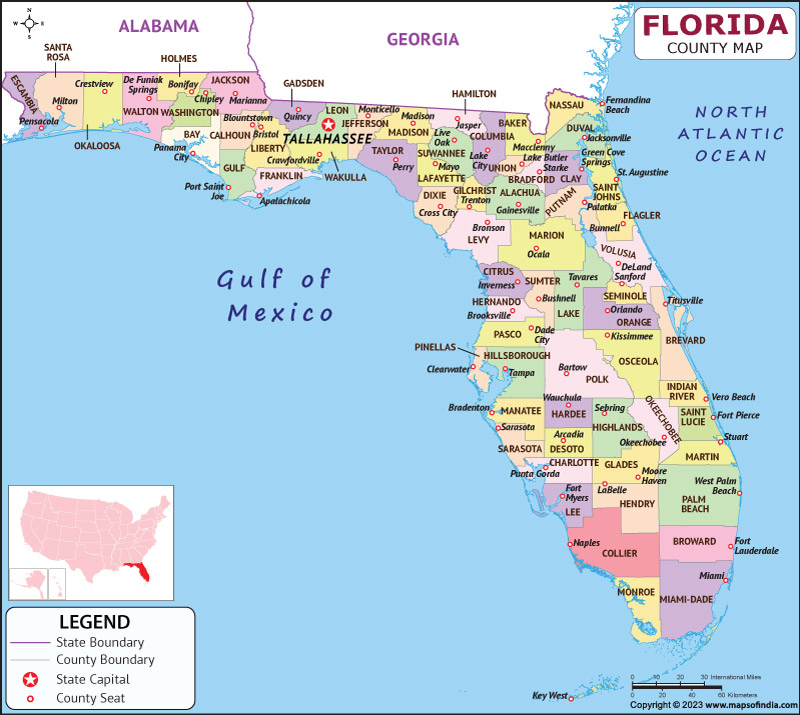
Florida homes offer a vibrant tapestry of real estate opportunities, from sun-drenched coastal estates to charming inland retreats. This comprehensive exploration delves into the multifaceted world of Florida residences, examining their diverse landscapes, investment potential, lifestyle attractions, financial considerations, and the essential legal framework surrounding their acquisition. Whether you’re a prospective buyer, a seasoned investor, or simply curious about the Sunshine State’s property market, prepare to uncover the unique allure and practicalities of owning a piece of Florida.

We will navigate the distinct characteristics of coastal properties, explore architectural nuances across different regions, and address crucial environmental factors like hurricane preparedness. Furthermore, this guide will shed light on property tax variations, compare investment avenues like single-family homes versus condominiums, and highlight emerging trends in the vacation rental sector. Understanding how to identify neighborhoods with strong appreciation potential and assessing the long-term viability of a Florida home for primary or secondary use are also key components of our journey.

Understanding the Diverse Real Estate Landscape Across Florida’s Coastal Regions

Florida homes

Florida’s coastline is a vast and varied tapestry, offering a remarkable spectrum of real estate opportunities. From the vibrant energy of its southeastern shores to the tranquil beauty of its Gulf Coast, each region presents a distinct character, influencing everything from property types and architectural styles to environmental considerations and tax structures. Understanding these nuances is paramount for anyone looking to invest in or relocate to Florida’s coveted coastal areas.

For descriptions on additional topics like beach houses for sale in florida, please visit the available beach houses for sale in florida.

This exploration delves into the unique attributes that define these diverse coastal landscapes, providing insights into what makes each area special.

South Florida Beachfront Properties Versus Gulf Coast Properties

The distinction between beachfront properties in South Florida and those along the Gulf Coast is pronounced, stemming from their geographical positioning, prevailing weather patterns, and the inherent character of their shorelines. South Florida, facing the Atlantic Ocean, typically boasts a more dynamic and often steeper beachfront. This can translate to properties with immediate access to the water, often featuring elevated foundations to mitigate tidal influences.

The oceanfront here is known for its vibrant blue waters and, in many areas, a more active surf, attracting those who enjoy water sports. Architecturally, South Florida beachfront homes often reflect a modern or Mediterranean influence, with clean lines, large windows to capture ocean views, and expansive balconies or lanais. Examples include the sleek, contemporary designs found in Miami Beach and Fort Lauderdale, or the charming, stucco-clad villas in Palm Beach.

The demand here is often driven by international buyers and those seeking a luxurious, high-energy lifestyle.In contrast, Florida’s Gulf Coast is characterized by its calmer, warmer waters and, generally, a more gradual slope to its beaches, often featuring powdery white sand. This creates a more serene and family-friendly atmosphere. Properties here tend to offer broader, more expansive views of the Gulf, with sunsets being a significant draw.

The architectural styles on the Gulf Coast often lean towards coastal-inspired designs, including Florida Cracker style, which emphasizes ventilation and natural light, or more contemporary interpretations that incorporate natural materials and a relaxed, airy feel. Think of the charming bungalows in Naples or the sprawling estates in Sarasota and Clearwater Beach. The pace of life is often perceived as more relaxed, appealing to retirees, families, and those seeking a tranquil escape.

Furthermore, the storm surge potential, while present on both coasts, can differ. The Gulf Coast, particularly areas like Tampa Bay, can be susceptible to hurricanes and tropical storms, but the open ocean fetch of the Atlantic can sometimes lead to more significant wave action in South Florida during severe events. Insurance costs and flood zone designations are critical considerations for both, but the specific risks and property vulnerabilities can vary.

Typical Architectural Styles Prevalent in Different Florida Coastal Communities

Florida’s coastal communities are a visual testament to its rich history, diverse influences, and the unique environmental demands of its tropical and subtropical climate. The architectural styles you’ll encounter are not merely aesthetic choices; they often reflect a deep understanding of how to live comfortably and sustainably in a coastal environment.On the southeastern coast, particularly in areas like Miami, Fort Lauderdale, and Palm Beach, you’ll find a strong presence of Modern and Art Deco architecture.

These styles are characterized by their clean lines, geometric shapes, and often bold use of color. Art Deco, popular in the 1920s and 30s, features decorative motifs, stepped forms, and a sense of glamour, evident in buildings like the historic Colony Hotel in South Beach. Modern architecture, which gained prominence mid-century and continues to evolve, emphasizes functionality, open floor plans, and large expanses of glass to maximize ocean views and natural light.

Examples include the sleek, minimalist designs of many contemporary oceanfront condominiums and private residences.Moving down the coast, especially in areas with a Spanish colonial past, you’ll see the enduring appeal of Mediterranean Revival architecture. This style is characterized by red-tiled roofs, stucco exteriors, arched windows and doorways, wrought-iron details, and often courtyards or fountains. It evokes a sense of timeless elegance and is well-suited to the climate, with its thick walls providing insulation.

The Breakers hotel in Palm Beach is a prime example of its grandeur.Along the Gulf Coast, the styles tend to embrace a more relaxed and airy aesthetic. Coastal or Florida Vernacular styles are prevalent, which include adaptations of the historic Florida Cracker style. This style, designed for hot and humid climates, features high ceilings, large windows and doors for cross-ventilation, raised foundations to catch breezes and mitigate flooding, and wide porches or verandas.

While traditional Cracker homes were simpler, modern interpretations incorporate these principles into larger, more luxurious dwellings. You’ll also find a prevalence of Coastal Contemporary designs, which blend modern open-plan living with natural materials like wood and stone, large windows, and a focus on seamless indoor-outdoor living, often with expansive decks and screened lanais.In some historic towns, like St. Augustine or parts of the Panhandle, you might also see influences of Victorian or Neoclassical styles, though these are less dominant in newer coastal developments.

The key takeaway is that Florida’s coastal architecture is a dynamic fusion, constantly adapting to the environment while drawing inspiration from its history and the desires of its residents for light, air, and connection to the stunning natural surroundings.

Common Environmental Considerations for Purchasing Property in Hurricane-Prone Coastal Zones of Florida

Purchasing property in Florida’s hurricane-prone coastal zones necessitates a thorough understanding of environmental factors that can impact both safety and financial well-being. The dynamic nature of coastal environments, coupled with the increasing intensity of tropical storms, means that due diligence regarding these considerations is not just advisable, but essential.One of the most critical considerations is flood risk and elevation. Florida’s low-lying topography makes many coastal areas susceptible to storm surge and heavy rainfall-induced flooding.

Understanding your property’s designation within the Federal Emergency Management Agency (FEMA) flood maps is paramount. These maps categorize areas based on their likelihood of flooding, which directly influences insurance requirements and the potential for damage. Properties in higher-risk zones (like Zone A or V) will require mandatory flood insurance if you have a federally backed mortgage, and the premiums can be substantial.

Furthermore, the elevation of the structure itself is crucial. Homes built on stilts or elevated foundations are generally more resilient to storm surge. It’s important to inquire about the Base Flood Elevation (BFE) for the property and compare it to the elevation of the lowest floor of the home.Another significant environmental factor is wind resistance. Coastal areas are exposed to high winds during hurricanes.

Building codes in Florida have been progressively strengthened over the years to mandate more resilient construction. When evaluating a property, it’s important to ascertain the age of the roof, the type of windows and doors (impact-resistant glass is highly recommended), and the structural integrity of the building’s framing and connections. Older homes may not meet current wind-load standards, making them more vulnerable.

The presence of mature trees on the property also needs consideration; while they can offer shade, they can also become projectiles during high winds if not properly maintained.The proximity to the coastline and erosion patterns are also key environmental considerations. Properties situated directly on the beachfront are subject to the forces of wave action and potential shoreline erosion. Understanding the historical erosion rates for the specific beach and the property’s distance from the mean high water line can provide insight into its long-term stability.

Coastal construction setbacks and regulations are in place to address this, but it’s wise to be aware of the natural processes at play.Finally, stormwater management and drainage are vital, especially in low-lying areas. Even if a property isn’t directly on the water, inadequate local drainage systems can lead to significant inland flooding during heavy rains associated with tropical systems. Examining the surrounding infrastructure and the property’s own drainage capabilities is important.

Proactive measures like ensuring proper grading around the home and maintaining drainage ditches can help mitigate localized flooding.

Varying Property Tax Structures and Their Impact on Homeowners in Different Florida Coastal Counties

Florida’s property tax system, while statewide, exhibits significant variations in its application and impact across different coastal counties. These differences are primarily driven by local millage rates, the assessment practices of county property appraisers, and the specific services funded by property taxes in each jurisdiction. For homeowners, understanding these nuances is crucial for budgeting and financial planning.The core of property taxation in Florida lies in the millage rate, which is the tax rate applied to the assessed value of the property.

A mill is one-tenth of a cent, so a millage rate of 10 mills means a tax of $10 per $1,000 of assessed value. Millage rates are set annually by various local taxing authorities, including county commissions, school boards, and special districts (like fire or water management districts). Consequently, two identical homes in adjacent counties could have vastly different tax bills simply due to differing millage rates.

For example, a home valued at $400,000 with a millage rate of 15 mills would owe $6,000 in property taxes (before any homestead exemptions), whereas the same home in a county with a 20-mill rate would owe $8,000.The assessed value of a property is also a significant factor. In Florida, homesteaded properties (owner-occupied primary residences) benefit from the Save Our Homes amendment, which caps the annual increase in assessed value at 3% or the percentage change in the Consumer Price Index (CPI), whichever is less.

This cap is crucial for long-term homeowners, as it can significantly lag behind market value increases. However, for new buyers, the initial assessed value will be closer to the market value, and their taxes will reflect this. Property appraisers in each county are responsible for determining these assessed values. Their methodologies and the frequency with which they update values can lead to disparities.

Some counties may have more aggressive appraisal practices than others.Furthermore, the range of local services funded by property taxes can vary considerably. Coastal counties with extensive infrastructure needs, such as robust beach renourishment programs, advanced stormwater management systems, or high-cost public safety services (e.g., specialized marine rescue units), may necessitate higher millage rates to fund these initiatives. Counties that rely more heavily on tourism-driven revenue might have different funding priorities, potentially influencing their property tax structures.Consider the economic profiles of different coastal counties.

Affluent areas with a high concentration of luxury properties might have a broader tax base, potentially allowing for lower millage rates while still generating substantial revenue. Conversely, counties with a significant portion of their tax base in lower-value properties or with a high number of tax-exempt entities might need higher rates to meet their financial obligations. For instance, counties in South Florida, with their high property values and demand for extensive public services, often have different tax structures compared to some Panhandle counties with a more dispersed population and potentially different service demands.

It’s advisable for potential buyers to research the specific millage rates and property tax history of the county and even the specific taxing districts within which a property is located.

Navigating the Investment Potential of Florida Residences for Different Buyer Types

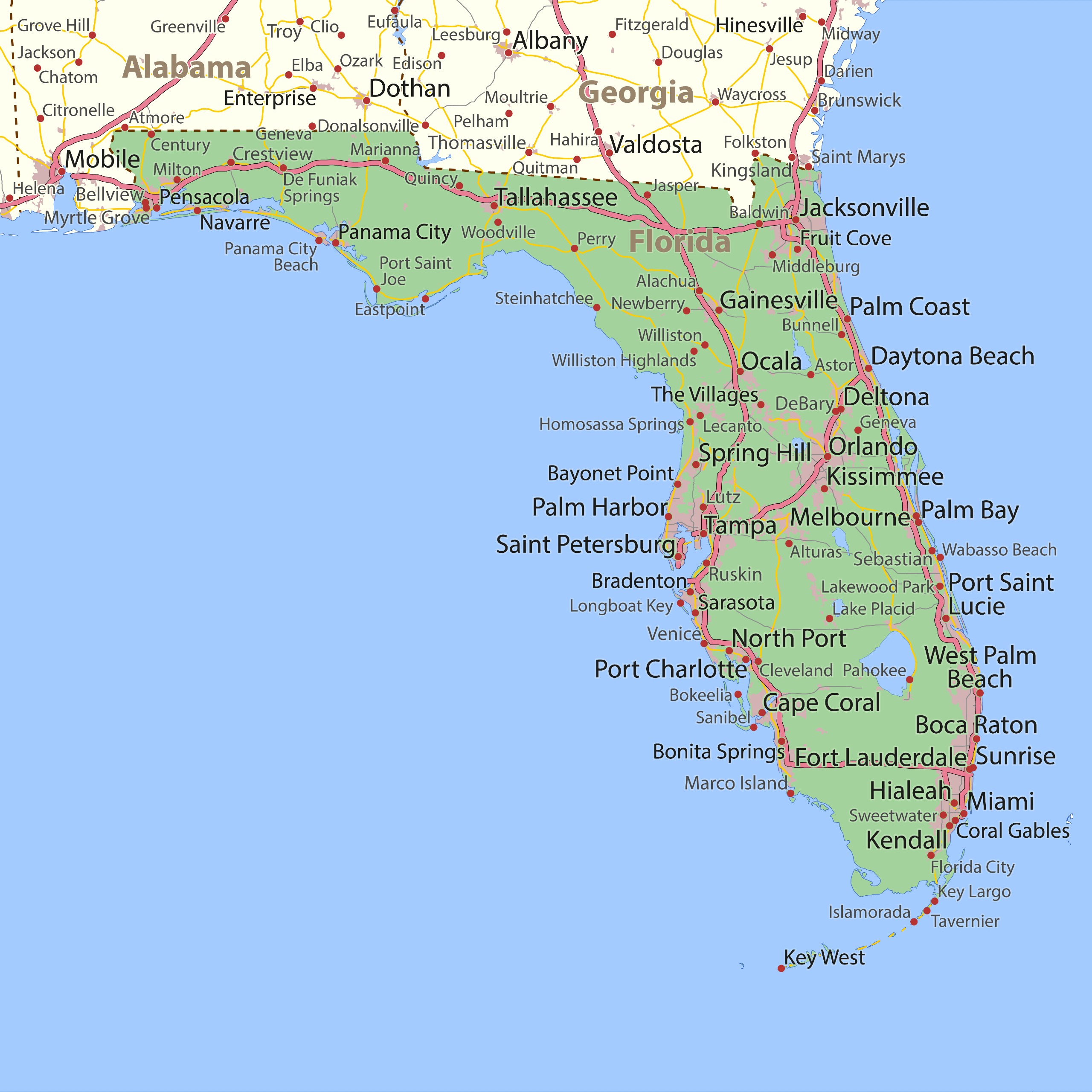
Florida Map with Cities | Mappr

Florida’s diverse real estate market offers a compelling landscape for a wide array of investors, from those seeking a primary residence to seasoned property magnates. Understanding the nuances of different property types and market trends is crucial for maximizing returns and achieving investment goals. This section delves into key considerations for buyers looking to invest in Florida residences, focusing on property types, rental market dynamics, appreciation potential, and long-term viability.

Single-Family Homes Versus Condominiums in Popular Florida Metropolitan Areas

When considering an investment in a Florida metropolitan area, the choice between a single-family home and a condominium presents distinct advantages and disadvantages, each catering to different buyer profiles and investment strategies. Single-family homes often represent a more traditional investment, offering greater autonomy and potential for long-term appreciation through land ownership and customization. However, they typically come with higher purchase prices, more extensive maintenance responsibilities, and potentially higher property taxes and insurance costs, especially in coastal zones prone to hurricanes.

In contrast, condominiums offer a more accessible entry point into desirable locations, often featuring shared amenities like pools, gyms, and security, which can be attractive to renters and vacationers. The primary drawback of condominiums lies in the associated homeowners association (HOA) fees, which can be substantial and are subject to increases. Furthermore, HOA regulations can limit rental flexibility and property modifications.

In bustling areas like Miami-Dade or the Tampa Bay region, single-family homes in established neighborhoods might offer stability and growth, while well-located condos in tourist hubs such as Orlando or Fort Lauderdale can yield strong rental income but are subject to market fluctuations and HOA governance.

Emerging Trends in Florida Vacation Rental Markets and Investment Strategies

The vacation rental market in Florida is a dynamic sector, continually evolving with changing traveler preferences and technological advancements. One significant trend is the increasing demand for unique and experiential stays, moving beyond standard hotel rooms. This includes a rise in interest for private villas, themed properties, and accommodations offering specific amenities like private pools, pet-friendly features, or proximity to major attractions.

Technology plays a pivotal role, with platforms like Airbnb and Vrbo dominating bookings, and smart home technology becoming a standard expectation for convenience and security. Investment strategies in this arena often focus on properties in high-demand tourist destinations, such as theme park-adjacent areas in Orlando, the pristine beaches of the Gulf Coast (e.g., Sarasota, Naples), or vibrant city centers like Miami.

Successful investors are also prioritizing properties that offer flexibility for short-term rentals while also being appealing for longer stays, thereby maximizing occupancy rates throughout the year. Diversifying rental income streams by offering packages or local experiences can further enhance profitability. Additionally, understanding local regulations regarding short-term rentals, which vary significantly by county and city, is paramount to avoid legal complications and ensure sustainable income.

For instance, areas like Key West have stringent regulations, while others are more permissive.

Identifying Florida Neighborhoods with Strong Property Value Appreciation Potential

Identifying neighborhoods poised for significant property value appreciation over the next five years requires a blend of forward-thinking analysis and an understanding of economic and demographic drivers. Key indicators to scrutinize include planned infrastructure developments, such as new transportation links or commercial centers, which often spur growth and increase desirability. For example, the expansion of the Brightline passenger rail service connecting major Florida cities is already influencing property values in areas around its stations.

Economic diversification and job growth are also critical; areas attracting new businesses and a skilled workforce tend to see increased housing demand. Neighborhoods undergoing gentrification or revitalization efforts, often characterized by improving public spaces, new local businesses, and a growing sense of community, also present strong appreciation potential. Researching historical appreciation rates is a useful starting point, but it’s essential to look beyond past performance to future catalysts.

Consider areas experiencing a population influx, particularly from other states, as this sustained demand can outpace supply. For instance, areas in Central Florida beyond the immediate Orlando tourist core are experiencing growth due to affordability and a strong job market. Evaluating the quality of local schools, crime rates, and access to amenities like parks and shopping centers provides a comprehensive picture of a neighborhood’s long-term appeal.

Framework for Assessing Long-Term Viability of a Florida Residence: Primary Home vs. Secondary Investment

The decision to purchase a Florida residence as a primary home or a secondary investment necessitates a thorough assessment of personal financial goals, lifestyle considerations, and market outlook. When considering a primary home, the focus shifts to affordability, community fit, and long-term personal satisfaction. Factors such as proximity to work, schools, and lifestyle amenities are paramount. The emotional aspect of creating a home is significant, and the property must align with one’s vision of daily living.

From an investment perspective, a primary home can still build equity over time, but the primary driver is often not immediate financial return. Conversely, a secondary investment, whether a vacation home intended for rental income or a pure investment property, prioritizes financial returns, cash flow, and capital appreciation. Here, location, rental demand, property management costs, and market trends take precedence.

In this topic, you find that homes mobile homes is very useful.

A detailed financial analysis is crucial, projecting rental income, expenses (including property management fees, maintenance, insurance, and taxes), and potential appreciation. For instance, a property in a high-demand tourist area like Destin might offer excellent rental yields but require professional management, whereas a property in a less tourist-centric but growing metropolitan area might offer slower but steadier appreciation with lower management overhead.

A crucial element for both is understanding the total cost of ownership, including potential insurance hikes in coastal areas and the impact of property taxes. The long-term viability hinges on whether the property meets the owner’s primary objectives, be it personal fulfillment, consistent income generation, or capital growth, all while being resilient to market fluctuations and economic shifts.

Exploring the Lifestyle and Community Aspects of Florida Homeownership

Beyond the sun-drenched beaches and thriving investment opportunities, owning a home in Florida offers a distinct lifestyle deeply intertwined with its diverse communities and abundant recreational pursuits. The Sunshine State is a tapestry woven with vibrant local cultures, catering to a wide spectrum of preferences and life stages. Understanding these lifestyle and community aspects is crucial for prospective homeowners seeking not just a property, but a place to truly call home.Florida’s allure lies in its commitment to an active and engaging way of life.

From the sprawling metropolitan areas to the tranquil, coastal enclaves, residents are consistently presented with opportunities for recreation and enjoyment. These amenities are not merely afterthoughts but are often central to the appeal of a community, shaping daily routines and fostering a strong sense of belonging.

Recreational Opportunities and Community Amenities

Florida communities are renowned for offering a rich array of recreational activities and amenities designed to cater to virtually every interest and age group. This focus on outdoor living and active engagement is a cornerstone of the Florida lifestyle, contributing significantly to the desirability of its residential areas. The state’s warm climate throughout much of the year provides an extended season for enjoying these facilities, making them a year-round asset.Coastal regions, naturally, boast an unparalleled access to water-based recreation.

This includes opportunities for boating, fishing, kayaking, paddleboarding, and, of course, swimming and sunbathing on the state’s iconic beaches. Many communities have developed extensive waterfront parks and marinas, equipped with boat launches, fishing piers, and rental facilities. Beyond the immediate coastline, inland areas often feature numerous lakes and rivers, offering similar aquatic adventures. Golf is another immensely popular pastime, with Florida being home to hundreds of meticulously maintained golf courses, many of which are integrated into residential communities, providing residents with convenient access to tee times.Beyond the athletic and aquatic, Florida communities excel in providing diverse recreational and social hubs.

This often includes:

  • Community Centers: These serve as central gathering places, offering fitness classes, workshops, social events, and meeting spaces for local clubs and organizations.
  • Parks and Green Spaces: From small neighborhood parks with playgrounds to expansive county and state parks with hiking trails, nature preserves, and picnic areas, green spaces are abundant and well-maintained, encouraging outdoor exploration and relaxation.
  • Sports Facilities: Many communities feature public and private sports complexes with tennis courts, basketball courts, swimming pools, and even specialized facilities for sports like pickleball, which has seen a surge in popularity.
  • Cultural Venues: While not strictly recreational, theaters, art galleries, museums, and live music venues contribute to a vibrant community life and offer enriching experiences.
  • Active Adult Communities: These specialized neighborhoods often feature extensive amenity packages, including dedicated clubhouses, swimming pools, fitness centers, social calendars, and organized activities tailored to the interests of older adults.

The presence of these amenities not only enhances the quality of life but also plays a significant role in property values and the overall desirability of a Florida residence. They foster social interaction, promote healthy lifestyles, and create a dynamic living environment that attracts a broad range of buyers.

Cultural Influences Shaping Florida’s Residential Character

Florida’s unique cultural mosaic is a direct reflection of its rich history and diverse population, profoundly shaping the character and appeal of its residential areas. The state’s position as a gateway between North America and the Caribbean, coupled with its historical ties to Spanish, British, and French colonial powers, has resulted in a fascinating blend of traditions, architectural styles, and community flavors.

This cultural richness is palpable as one moves from one region to another, offering distinct living experiences.In South Florida, particularly in areas like Miami-Dade County, the influence of Latin American and Caribbean cultures is undeniable. This manifests in vibrant music scenes, a diverse culinary landscape featuring flavors from Cuba, Puerto Rico, Colombia, and beyond, and a lively, cosmopolitan atmosphere. Neighborhoods often have distinct ethnic enclaves, such as Little Havana or Little Haiti, where cultural traditions are celebrated and preserved, offering residents an immersive experience.

The architecture in these areas can range from Art Deco gems in Miami Beach to contemporary high-rises overlooking the ocean, reflecting a fusion of international styles and modern design.Central Florida, often referred to as the “Theme Park Capital of the World,” has a culture that is heavily influenced by tourism and a more family-oriented demographic. While this can create a bustling environment, many residential areas surrounding these attractions offer a more suburban feel with a focus on community events, family-friendly amenities, and a generally more relaxed pace of life compared to the coastal hubs.

The cultural landscape here is often shaped by the influx of residents from across the United States seeking a warmer climate and access to entertainment.The Panhandle region of Florida, with its deep Southern roots, exhibits a distinct cultural identity characterized by a slower pace, a strong sense of tradition, and a focus on natural beauty. Towns like Pensacola and St.

Augustine, with their historic architecture and maritime heritage, offer a glimpse into Florida’s past. The culinary scene often features Southern comfort food and fresh seafood, while community gatherings might revolve around local festivals and traditions. The architecture here tends to be more traditional, with charming historic homes and beach cottages.Further inland, areas around cities like Orlando and Tampa have developed their own unique cultural identities, often blending influences from the surrounding regions and a growing influx of tech and business professionals.

These urban centers boast thriving arts scenes, diverse dining options, and a dynamic mix of residential styles, from historic bungalows to modern apartment complexes. The common thread across many of these diverse areas is an appreciation for outdoor living, a welcoming spirit, and a continuous evolution driven by new residents and their contributions to the cultural fabric.

Demographics and Community Engagement in Established Neighborhoods, Florida homes

Established Florida neighborhoods, those that have seen significant development and have a history of residency, often exhibit distinct demographic profiles and levels of community engagement. These areas tend to have a more settled population, which can contribute to a stronger sense of community cohesion and a shared investment in the neighborhood’s well-being. Understanding these characteristics can provide valuable insights for those looking to integrate into an existing community.The demographics in established Florida neighborhoods can vary significantly based on location and historical development.

Many older, well-established communities, particularly in areas that were popular retirement destinations decades ago, still retain a higher proportion of senior citizens. These residents often contribute to a slower pace of life and a focus on quiet enjoyment and social activities within the neighborhood. However, there is a noticeable trend of younger families and professionals moving into these areas, attracted by more affordable housing options, mature landscaping, and a sense of established charm.

This intergenerational mix can bring new energy and perspectives to the community.Conversely, some established neighborhoods, especially those closer to urban centers or coastal attractions, might have a more diverse age range, including young professionals, families with children, and established middle-aged residents. These areas often benefit from a blend of stable, long-term residents and newer arrivals, creating a dynamic and engaged community.

The presence of good schools, proximity to employment centers, and access to amenities often drives this demographic diversity.Community engagement levels in these neighborhoods are typically characterized by a higher degree of participation in local governance and social activities. Residents often feel a stronger sense of ownership and pride in their neighborhood, leading to active involvement in homeowners’ associations (HOAs), neighborhood watch programs, and local civic groups.

This engagement can manifest in various ways:

  • Active HOAs: Many established neighborhoods have well-functioning HOAs that manage common areas, organize social events, and enforce community standards, fostering a sense of order and shared responsibility.
  • Volunteerism: Residents often contribute their time and skills to local causes, community clean-up days, or school events, demonstrating a commitment to improving their surroundings.
  • Social Gatherings: Neighborhood block parties, holiday celebrations, and informal get-togethers are common, providing opportunities for residents to connect and build relationships.
  • Local Governance: Long-term residents may be more inclined to attend town hall meetings, participate in local elections, and voice their opinions on community development, ensuring their interests are represented.

The established nature of these neighborhoods often means that residents have a shared history and a vested interest in preserving the character and quality of life they have come to appreciate. This can lead to a strong sense of belonging and a supportive environment for all residents.

Factors Contributing to a High Quality of Life in Florida

A high quality of life in Florida is a multifaceted concept, driven by a combination of environmental, economic, social, and personal factors that contribute to the overall well-being and satisfaction of its residents. The state’s appealing climate, abundant natural beauty, and diverse lifestyle opportunities create a unique environment conducive to a fulfilling life.One of the most significant contributors is Florida’s enviable climate.

With warm temperatures year-round and abundant sunshine, residents can enjoy outdoor activities and a more active lifestyle throughout the year. This reduces the seasonal limitations often experienced in other parts of the country and promotes a generally more optimistic and energetic outlook. The proximity to stunning natural landscapes, including miles of pristine beaches, crystal-clear springs, and lush natural areas, further enhances this quality of life by providing endless opportunities for recreation, relaxation, and connection with nature.Economic factors also play a crucial role.

Florida’s robust job market, particularly in sectors like tourism, healthcare, technology, and aerospace, provides ample employment opportunities. Furthermore, the state’s favorable tax policies, including the absence of state income tax, allow residents to retain a larger portion of their earnings, contributing to greater financial freedom and disposable income for leisure and personal pursuits. The affordability of housing, especially when compared to some other popular coastal states, can also be a significant factor in achieving a high quality of life.Social and community aspects are equally important.

Florida offers a diverse range of communities, each with its unique character and amenities. Whether one seeks the vibrant cultural scene of a major city, the tranquil pace of a small coastal town, or the active lifestyle of a master-planned community, there is a place to suit nearly every preference. The strong emphasis on outdoor living, coupled with a wide array of recreational facilities, encourages social interaction and fosters a sense of belonging.

The presence of excellent healthcare facilities, good educational institutions, and a variety of cultural and entertainment options further contributes to a well-rounded and high-quality living experience.Finally, personal factors such as access to healthcare, educational opportunities, and a sense of safety and security are paramount. Florida consistently invests in its infrastructure, including healthcare systems and educational programs, to support its growing population.

The state’s commitment to public safety and its diverse range of community programs aim to ensure that residents feel secure and supported. Ultimately, the combination of natural beauty, economic opportunity, a vibrant social fabric, and a focus on well-being creates an environment where residents can thrive and enjoy a high quality of life.

Investigating the Unique Features of Homes Designed for Florida’s Climate and Environment

Florida homes

Florida’s unique subtropical climate, characterized by intense sunshine, high humidity, and the potential for severe weather events like hurricanes, necessitates a distinct approach to home design and construction. Understanding these specific adaptations is crucial for any prospective homeowner or investor looking to build or purchase in the Sunshine State. These features not only ensure the structural integrity and longevity of properties but also contribute significantly to comfort and cost-effectiveness over time.The prevailing environmental conditions have driven innovation in building materials and construction techniques, resulting in homes that are both resilient and efficient.

From the ground up, Florida residences are engineered to stand against the elements, reflecting a deep understanding of local challenges and a commitment to durable, sustainable building practices. This section delves into the specific elements that make Florida homes uniquely suited to their environment.

Innovative Building Materials and Construction Techniques for Extreme Weather Resilience

Florida homes are built with a strong emphasis on durability, particularly against the threats posed by hurricanes and tropical storms. This resilience is achieved through a combination of advanced materials and robust construction methods that go beyond standard building codes. The foundation is a critical element, often featuring reinforced concrete slabs designed to withstand high winds and potential flooding. For walls, concrete block construction, often reinforced with steel rebar and filled with concrete, is a prevalent choice due to its inherent strength and resistance to impact from flying debris.

This method offers superior protection compared to traditional wood-frame construction found in less volatile regions.Roofing systems are another area of significant innovation. High-wind rated shingles, metal roofing systems with interlocking panels, and robust underlayment are commonly employed to prevent uplift during storms. The attachment of the roof to the structure is equally important, with hurricane clips and straps used to securely fasten rafters and trusses to the wall framing, creating a continuous load path that transfers wind forces to the foundation.

Windows and doors are often upgraded to impact-resistant varieties, featuring laminated glass and reinforced frames that can withstand the force of wind-borne debris. These specialized windows and doors are designed to maintain the building’s envelope even under extreme pressure, preventing catastrophic failure.Furthermore, building codes in Florida are continuously updated to reflect lessons learned from past storm seasons. These codes often mandate specific bracing techniques, stronger fasteners, and higher wind load ratings for building components.

The use of spray foam insulation, for example, not only enhances energy efficiency but also adds structural rigidity to the roof deck. Coastal properties may also incorporate elevated foundations, such as pilings or stilts, to mitigate the risk of storm surge and flooding, a critical consideration for waterfront real estate. The careful selection and integration of these materials and techniques are paramount to ensuring that Florida homes can endure the region’s formidable weather patterns.

Energy-Efficient Design Elements in Florida Residences

Florida’s hot and humid climate presents a significant challenge for maintaining comfortable indoor temperatures and managing energy consumption. Consequently, energy-efficient design elements are not just a luxury but a necessity in Florida residences, leading to substantial savings on utility bills and a reduced environmental footprint. Passive cooling strategies are at the forefront of this approach, aiming to minimize the reliance on active cooling systems.One of the most effective passive cooling techniques is strategic orientation and landscaping.

Homes are often designed with their longer facades facing north and south to minimize direct exposure to the intense afternoon sun. Overhanging eaves and porches provide shade for windows and walls, further reducing heat gain. Landscaping plays a crucial role, with the careful placement of deciduous trees on the south and west sides of a home offering natural shade in the summer months while allowing sunlight to penetrate and warm the house in the cooler winter.Ventilation is another key component.

Operable windows placed on opposite sides of the house and at different heights create a natural cross-breeze, allowing hot air to escape and cooler air to enter. Whole-house fans and attic vents are also employed to exhaust hot air accumulated in the attic space, which can significantly impact the overall temperature of the home. Insulation is also critical, with high R-value insulation in attics and walls preventing heat transfer from the exterior.

Reflective roofing materials, often white or light-colored, are used to bounce sunlight away from the house, reducing the amount of heat absorbed by the roof.Solar readiness is increasingly being integrated into new home construction. This involves pre-wiring homes for solar panel installation, ensuring that the electrical system can accommodate the additional power generation. Many homes are also designed with rooflines and orientations optimized for maximum solar exposure, making the eventual installation of solar panels more efficient and cost-effective.

Advanced window technologies, such as low-emissivity (low-E) coatings and double or triple-paned glass, further reduce heat transfer, keeping interiors cooler and lessening the load on air conditioning systems. These integrated design elements work synergistically to create homes that are not only comfortable but also remarkably energy-efficient in Florida’s demanding climate.

Discover the crucial elements that make Cheap Mobile Homes for Sale in Palm Beach County the top choice.

Advantages of Swimming Pools and Outdoor Living Spaces in the Florida Context

In Florida, swimming pools and expansive outdoor living spaces are more than just amenities; they are integral to the lifestyle and offer distinct advantages that are amplified by the state’s climate and culture. Unlike regions with shorter warm seasons, Florida provides a year-round opportunity to enjoy these features, making them a central element of homeownership. The ability to entertain, relax, and exercise outdoors is a significant draw for residents and a key differentiator for properties.The prevalence of warm weather means that pools are not just for occasional use but can be a daily source of recreation and a focal point for social gatherings.

This extends the usable living area of a home considerably, providing a private oasis for family and friends. Outdoor kitchens, covered patios, and screened enclosures further enhance this functionality, allowing for al fresco dining and comfortable relaxation even during the hottest parts of the day or when insects are prevalent. These spaces are designed to embrace the indoor-outdoor living philosophy that is so popular in Florida.Compared to other regions, the investment in a well-appointed outdoor living space in Florida typically yields a higher return in terms of lifestyle enjoyment and property value.

In cooler climates, the usability of such spaces is limited to a few months of the year, making the long-term cost-benefit less compelling. In Florida, however, the extended season of comfortable weather ensures that these features are utilized extensively throughout the year. This constant use translates into a tangible enhancement of quality of life, which is a significant factor for many homebuyers.Furthermore, the integration of pools and outdoor living areas often includes considerations for the local environment.

Features like drought-tolerant landscaping, efficient irrigation systems, and shaded areas contribute to the sustainability of these spaces. The psychological benefit of having a private retreat for relaxation and recreation is also amplified in a state known for its vibrant and active lifestyle. Ultimately, in Florida, outdoor living spaces and swimming pools are not just additions but essential components that define the quintessential Sunshine State experience, offering unparalleled opportunities for enjoyment and well-being.

Landscaping and Water Management Strategies for Florida’s Residential Properties

Florida’s diverse ecosystems, from coastal dunes to inland wetlands and pine flatwoods, present unique challenges and opportunities for residential landscaping and water management. Effective strategies are crucial for maintaining property aesthetics, conserving precious water resources, and ensuring environmental sustainability. The goal is to create beautiful, functional outdoor spaces that are in harmony with the natural environment.A cornerstone of Florida landscaping is the selection of native and drought-tolerant plants.

These species are naturally adapted to the local soil conditions, rainfall patterns, and climate, requiring less irrigation, fertilizer, and pest control. Examples include vibrant flowering shrubs like Firebush and Porterweed, resilient groundcovers such as Coontie, and majestic trees like Live Oaks and Sabal Palms. These plants not only thrive with minimal intervention but also provide vital habitat and food sources for local wildlife, contributing to biodiversity.Water management is a critical aspect, given Florida’s status as a peninsula with fluctuating water levels and the need for efficient water use.

Rainwater harvesting systems, such as rain barrels and larger cisterns, are increasingly popular for collecting and storing rainwater for irrigation. Permeable paving materials for driveways and walkways allow rainwater to infiltrate the ground, reducing stormwater runoff and replenishing groundwater. The strategic use of mulch around plants helps to retain soil moisture, suppress weeds, and regulate soil temperature.For properties in coastal areas, landscaping must also contend with salt spray and sandy soils.

Salt-tolerant plants like Sea Grape, Wax Myrtle, and various species of sea oats are essential for stabilizing dunes and preventing erosion. Inland, properties may need to address drainage issues, especially in areas prone to seasonal flooding. French drains, swales, and retention ponds are often incorporated into the landscape design to manage excess water and prevent soil saturation.Smart irrigation systems are also becoming standard.

These systems use weather-based controllers or soil moisture sensors to deliver water only when and where it is needed, significantly reducing water waste. The practice of “xeriscaping,” which focuses on water-efficient landscaping, is gaining traction, promoting the use of plants that require little to no supplemental irrigation once established. By embracing these thoughtful landscaping and water management strategies, Florida homeowners can create attractive, resilient, and environmentally responsible residential properties that are well-suited to the state’s unique natural setting.

Epilogue

In essence, the pursuit of Florida homes is a journey filled with exciting possibilities and informed decision-making. From understanding the nuances of diverse regional markets and architectural styles to navigating the financial and legal intricacies, this guide has aimed to equip you with the knowledge needed to make sound choices. Whether you’re drawn to the recreational bounty, the cultural richness, or the robust investment climate, owning a Florida residence promises a rewarding experience, underscored by careful planning and an appreciation for the unique lifestyle the Sunshine State offers.

Questions and Answers: Florida Homes

What are the typical property taxes in Florida?

Property taxes in Florida vary significantly by county and municipality, generally ranging from 0.8% to 2.5% of the property’s assessed value. The Save Our Homes amendment also caps annual increases on homesteaded properties.

Are flood insurance requirements mandatory in Florida?

Flood insurance is typically required by lenders for properties located in designated flood zones (Special Flood Hazard Areas). Even if not mandated by a lender, it is highly recommended for most coastal and low-lying inland properties due to Florida’s susceptibility to heavy rainfall and storm surge.

What is the process for obtaining a mortgage in Florida?

The mortgage process involves pre-approval, loan application, underwriting, appraisal, and closing. Common hurdles include credit score requirements, income verification, and down payment amounts. It’s advisable to shop around with different lenders to find the best rates and terms.

How do I find a reputable real estate agent in Florida?

Look for agents with local market expertise, strong communication skills, and positive client reviews. Professional designations and membership in organizations like the National Association of Realtors (NAR) can also indicate a commitment to ethical practices.

What are the typical closing costs for a Florida home purchase?

Closing costs generally include loan origination fees, appraisal fees, title insurance, attorney fees, recording fees, transfer taxes, and pre-paid items like property taxes and homeowners insurance. These can range from 2% to 5% of the loan amount.

Houses for sale in florida – Florida homes for sale sets the stage for this enthralling narrative, offering readers a glimpse into a story that is rich in detail with casual formal language style and brimming with originality from the outset.

Embark on a comprehensive exploration of the Florida real estate market, delving into the current property landscape, diverse price ranges, and the unique lifestyle advantages that make the Sunshine State a coveted destination. We’ll navigate the essential considerations for a smooth transaction process and uncover the evolving trends shaping its dynamic housing market, providing a thorough understanding for prospective buyers and investors alike.

Detail the diverse price ranges and investment potentials for Florida residences.: Houses For Sale In Florida

Florida’s real estate market presents a wide spectrum of opportunities, catering to various budgets and investment goals. Understanding the typical price ranges and the factors influencing them is crucial for prospective buyers and investors seeking to make informed decisions in this dynamic state. From starter homes to opulent estates, Florida offers diverse options with varying potential for appreciation and rental income.The Sunshine State’s appeal extends beyond its beautiful beaches and warm climate.

A robust economy, growing population, and favorable business environment contribute to its attractiveness as a place to live and invest. This demand, coupled with the unique characteristics of different regions, creates a multifaceted real estate landscape where price points and investment outlooks can differ significantly.

You also will receive the benefits of visiting beach houses for sale in florida today.

Florida Housing Price Spectrum: Entry-Level, Mid-Range, and Luxury Markets

The housing market in Florida is broadly segmented into three main categories: entry-level, mid-range, and luxury. Each segment is characterized by distinct price points, property types, and the contributing factors that drive their valuations.Entry-level homes in Florida typically represent the most affordable segment of the market. These are often smaller single-family residences, condominiums, or townhouses, frequently found in established neighborhoods or in areas undergoing revitalization.

Factors influencing their lower price include age of the property, smaller square footage, and location further from prime coastal areas or major urban centers. These properties are attractive to first-time homebuyers, retirees on a fixed income, or investors looking for lower capital outlay.The mid-range market encompasses a broader array of properties, including larger single-family homes, updated condos, and homes in desirable suburban communities.

These residences offer more space, modern amenities, and often better locations, such as proximity to good schools, shopping, and recreational facilities. The price variations within this segment are influenced by the specific features, the condition of the home, and the demand in the particular neighborhood. This segment appeals to growing families, professionals, and those seeking a comfortable lifestyle.Luxury properties in Florida represent the highest echelon of the real estate market.

This segment includes expansive waterfront estates, penthouses in exclusive high-rises, custom-built homes with premium finishes, and properties in gated communities with extensive amenities. The price drivers here are exclusivity, prime locations (often oceanfront or with private docks), high-end architectural design, advanced smart home technology, and bespoke services. This market attracts affluent individuals, international buyers, and those seeking unparalleled luxury and privacy.

Property Value Appreciation Potential in Florida Markets

The potential for property value appreciation in Florida is influenced by a confluence of economic indicators and development trends, varying significantly across different metropolitan areas and sub-markets.Economic indicators such as job growth, population influx, and interest rate stability play a pivotal role. Areas experiencing strong employment growth tend to attract more residents, thereby increasing housing demand and driving up property values.

Finish your research with information from home houses.

For instance, the tech and healthcare sectors in Orlando have seen significant expansion, contributing to consistent demand for housing. Similarly, the continued migration of retirees and remote workers to the warmer climate of Southwest Florida, such as in Naples and Fort Myers, has historically supported robust appreciation.Development trends, including infrastructure improvements, new commercial projects, and the development of master-planned communities, also significantly impact appreciation.

The expansion of public transportation networks, the construction of new shopping centers, and the revitalization of urban cores can transform neighborhoods and enhance property values. For example, the ongoing development and diversification of industries in Tampa Bay have spurred growth and increased the desirability of its surrounding residential areas.

Comparative Analysis of Florida Metropolitan Areas: Average Price Points and Property Features

To illustrate the diverse real estate landscape, a comparative analysis of three distinct Florida metropolitan areas—Miami, Orlando, and Tampa—highlights the variations in average price points and associated property features. This comparison provides a snapshot of what buyers can expect in terms of investment and lifestyle in these key regions.

Metropolitan Area Average Price Point (Approx.) Typical Property Features Investment Potential Drivers
Miami $550,000 – $1,500,000+ Condominiums with ocean views, luxury townhouses, single-family homes in exclusive enclaves, properties with modern amenities and smart home technology. Proximity to beaches, vibrant cultural scene, and international airport. Strong international demand, robust tourism, growing financial and trade sectors, limited land availability driving up prices. High potential for rental income from short-term vacation rentals.
Orlando $350,000 – $700,000+ Single-family homes in suburban communities, townhouses near attractions, condos in growing urban core. Features often include community pools, access to theme parks and entertainment, proximity to universities and major employers. Steady population growth driven by job creation in technology, healthcare, and tourism. Expansion of educational institutions and infrastructure projects. Potential for appreciation through ongoing development and family-oriented appeal.
Tampa $400,000 – $800,000+ Single-family homes in established neighborhoods and new developments, waterfront properties, condos in the downtown area. Features can include access to beaches, professional sports, a growing culinary scene, and proximity to business districts. Diversifying economy with strengths in healthcare, finance, and technology. Significant urban redevelopment and infrastructure investments. Increasing appeal to remote workers and young professionals, fostering steady demand and value growth.

Financial Considerations and Return on Investment in Florida Properties

Purchasing a property in Florida involves several financial considerations that directly impact the potential return on investment (ROI). Understanding these aspects is crucial for maximizing profitability and ensuring a sound financial decision.Mortgage rates are a primary determinant of affordability and the overall cost of a property. Fluctuations in interest rates can significantly affect monthly payments and the total amount paid over the life of the loan.

Buyers are encouraged to shop around for the best mortgage terms and consider locking in rates when they are favorable.Property taxes in Florida vary by county and municipality but are generally considered competitive. The assessment of property taxes is based on the property’s assessed value. For investors, understanding the local tax rates is essential for calculating operating expenses and net rental income.Rental income possibilities are a significant driver for investors.

Florida’s strong tourism industry and growing permanent population create consistent demand for rental properties, both long-term and short-term vacation rentals.

The average gross rental yield in Florida can range from 4% to 7%, depending on the location, property type, and management strategy.

Areas with high tourist traffic, such as coastal cities and those near major attractions, often command higher rental rates and can offer greater potential for short-term rental income. Long-term rentals in growing metropolitan areas with strong job markets can provide more stable, consistent returns. Careful market analysis, including understanding occupancy rates and competitive rental pricing, is vital for projecting rental income accurately.When considering ROI, it’s important to factor in all associated costs, including mortgage payments, property taxes, insurance, maintenance, potential HOA fees, and property management expenses.

A well-managed property in a desirable location with consistent rental demand can yield substantial returns over time, both through rental income and property value appreciation.

Exploring Florida’s Diverse Lifestyle Advantages

Houses for sale in florida

Florida offers a lifestyle that is as varied as its geography, appealing to a broad spectrum of residents. From the sun-drenched shores of its extensive coastline to the tranquil beauty of its inland communities, the Sunshine State provides unique advantages for homeowners seeking a particular way of life. These benefits extend beyond mere climate, encompassing recreational opportunities, cultural experiences, and a distinct community atmosphere that defines the Florida living experience.The allure of Florida’s coastal communities is undeniable, centered around the unparalleled access to its pristine beaches and vibrant water-based activities.

Imagine waking up to the gentle sound of waves, with the promise of a day filled with sun, sand, and sea. This lifestyle is characterized by an abundance of outdoor pursuits, from swimming, sunbathing, and building sandcastles to more adventurous endeavors like surfing, paddleboarding, and deep-sea fishing. Boating and sailing are integral to the coastal way of life, with numerous marinas and waterways providing easy access to the Gulf of Mexico and the Atlantic Ocean.

The atmosphere is often relaxed and vacation-like, even for year-round residents, fostering a sense of well-being and a connection to nature. This constant proximity to the water creates a unique ambiance, influencing everything from local cuisine and social gatherings to the very pace of daily life. Many coastal towns boast lively boardwalks, waterfront restaurants, and charming shops, creating a picturesque setting that draws both tourists and permanent residents.

The ebb and flow of the tides, the vibrant sunsets over the water, and the salty air contribute to an environment that promotes relaxation and active living.

Coastal Versus Inland Living: A Lifestyle Comparison

Residing in Florida presents a distinct dichotomy between the energetic pulse of its southern urban centers and the peaceful rhythm of its central towns. South Florida cities like Miami, Fort Lauderdale, and West Palm Beach buzz with an international flair, offering a cosmopolitan lifestyle rich in cultural attractions. Residents can immerse themselves in world-class art museums, diverse culinary scenes featuring global cuisines, and a vibrant nightlife.

The sheer density of people and activities means there’s always something happening, from music festivals and fashion shows to professional sporting events. The community vibe here is often dynamic and fast-paced, attracting those who thrive on excitement and a constant stream of new experiences.In contrast, Central Florida towns, such as those in the Orlando metropolitan area or smaller communities surrounding its lakes, offer a more serene and family-oriented lifestyle.

While still offering ample recreational opportunities, the focus shifts towards natural beauty and a slower pace. Think sprawling green spaces, numerous lakes perfect for fishing and kayaking, and a strong emphasis on outdoor family activities. Cultural attractions are present, but perhaps more focused on local arts, community theaters, and historical sites. The community vibe is typically more laid-back and neighborly, with a stronger sense of local identity and a greater emphasis on community events like farmers’ markets and local festivals.

Finish your research with information from Cheap Mobile Homes for Sale in Palm Beach County.

This makes it an attractive option for families seeking a quieter upbringing for their children or individuals looking for a more tranquil retirement.

Essential Amenities for Florida Homebuyers

Prospective homeowners in Florida prioritize a range of amenities that enhance their daily lives and ensure convenience. Proximity to quality educational institutions is a significant factor for families with children, influencing decisions on where to settle. This includes access to well-regarded public and private schools, as well as nearby colleges and universities for higher education.Healthcare facilities are another critical consideration.

Buyers look for easy access to hospitals, specialized medical centers, and a network of doctors and dentists to ensure their health and well-being are well-catered for.Entertainment and recreation options play a crucial role in the Florida lifestyle. This encompasses everything from proximity to theme parks and cultural venues to local parks, golf courses, and recreational sports facilities. For many, the ability to engage in activities they enjoy close to home is a key determinant in their purchase decision.Furthermore, access to shopping centers, diverse dining establishments, and essential services like grocery stores and pharmacies contributes to the overall desirability of a location.

For coastal residents, proximity to marinas and water access points is paramount, while inland residents might prioritize access to hiking trails or nature preserves.

A Day in the Life of a Florida Homeowner

Imagine a typical day for a homeowner in a popular Florida locale, perhaps a coastal town on the Gulf Coast like Sarasota. The day begins not with an alarm clock’s jarring ring, but with the gentle sunlight filtering through the blinds, accompanied by the distant, soothing sound of the waves. After a leisurely breakfast on a screened-in lanai overlooking a lush garden or perhaps a glimpse of the bay, the homeowner might decide on a morning walk along the beach, feeling the soft sand between their toes and breathing in the fresh, salty air.Mid-morning could involve a visit to a local farmers’ market to pick up fresh produce and artisanal goods, followed by a casual lunch at a waterfront cafe, enjoying fresh seafood and the vibrant atmosphere.

The afternoon might be dedicated to a favorite hobby – perhaps a round of golf at a nearby course, a visit to an art gallery in the cultural district, or simply relaxing by the community pool with a good book. For families, this could involve taking children to a local park with a playground or a splash pad.As the sun begins its descent, casting a golden hue across the sky, the homeowner might gather with friends for a sunset cocktail cruise or enjoy a quiet evening at home, perhaps grilling dinner to be savored al fresco.

The day concludes with the tranquil sounds of nature and the comforting knowledge of living in a place that offers both natural beauty and a fulfilling lifestyle. This routine, filled with opportunities for relaxation, recreation, and connection, defines the desirable Florida living experience.

Illustrate the evolving trends shaping the Florida housing market.

Live sales and offers

The Florida housing market is a dynamic landscape, constantly being reshaped by a confluence of economic, social, and technological forces. Understanding these evolving trends is crucial for anyone looking to buy, sell, or invest in Florida real estate. From the way we work to the very design of our homes, significant shifts are underway, promising to redefine the Sunshine State’s residential appeal.The rapid adoption of remote work policies has profoundly impacted housing demand across Florida.

This seismic shift has liberated many professionals from the necessity of living near traditional urban centers, leading to a surge in demand for properties in more suburban and even rural areas, particularly those offering a better quality of life, access to nature, and a lower cost of living compared to major metropolitan hubs. Consequently, we’re seeing increased interest in coastal towns, areas with abundant green spaces, and communities that offer robust amenities for an at-home lifestyle.

This migration is not uniform; while some are seeking tranquility, others are gravitating towards smaller, vibrant cities that offer a balance of affordability and cultural attractions, often dubbed “Zoom towns.” This demographic influx also influences the types of housing in demand. Single-family homes with dedicated home office spaces, larger yards for recreation, and enhanced connectivity are becoming highly sought after.

Conversely, the demand for smaller urban apartments may see a recalibration as individuals prioritize space and lifestyle over proximity to a physical office. The ripple effect extends to rental markets, with a growing need for flexible living arrangements and properties equipped for long-term remote work.

Emerging Architectural Styles and Sustainable Building Practices

Florida’s new residential developments are increasingly reflecting a commitment to both aesthetic appeal and environmental responsibility. Architects and builders are embracing styles that harmonize with the state’s climate and natural beauty, while incorporating advanced sustainable practices to reduce environmental impact and enhance long-term value. This evolution is driven by a growing consumer awareness of climate change, a desire for healthier living environments, and the economic benefits of energy-efficient homes.New residential developments are showcasing a blend of modern aesthetics with traditional Florida charm.

You’ll find an increasing prevalence of “Florida Modern” architecture, characterized by clean lines, open floor plans that maximize natural light and ventilation, and a seamless integration of indoor and outdoor living spaces. This style often incorporates elements like large, impact-resistant windows, deep overhangs for shade, and the use of natural materials such as wood and stone. Another notable trend is the resurgence of “Mid-Century Modern” influences, adapted for contemporary living, featuring low-slung profiles, flat or gently sloping roofs, and a focus on bringing the outdoors in through courtyards and expansive glass doors.In parallel, sustainable building practices are no longer a niche consideration but a core component of modern construction.

This includes the widespread adoption of energy-efficient building envelopes, such as superior insulation and high-performance windows, which significantly reduce cooling costs—a critical factor in Florida’s climate. The integration of solar panels is becoming commonplace, with many new homes designed to be “solar-ready” or fully equipped with photovoltaic systems. Water conservation is another key focus, with the installation of low-flow fixtures, drought-tolerant landscaping (xeriscaping), and advanced rainwater harvesting systems becoming standard.

Furthermore, builders are increasingly prioritizing the use of sustainable and recycled materials, from bamboo flooring to countertops made from recycled glass. Many developments are also seeking green building certifications like LEED (Leadership in Energy and Environmental Design), signifying a commitment to environmental performance throughout the building’s lifecycle.

Influence of Technological Advancements on Home Buying and Selling, Houses for sale in florida

The digital revolution has fundamentally transformed the way homes are bought and sold in Florida, making the process more accessible, efficient, and transparent for all parties involved. Technological innovations are streamlining every stage, from initial property discovery to the final closing.Virtual tours have become an indispensable tool, allowing prospective buyers to explore properties remotely with an unprecedented level of detail.

High-definition 360-degree virtual tours and immersive video walkthroughs enable buyers to get a realistic sense of a home’s layout, size, and features without needing to be physically present. This is particularly beneficial for out-of-state buyers or those with busy schedules. Online property management platforms are also gaining traction, especially for investors. These platforms offer a centralized hub for managing rental properties, handling tenant communication, processing rent payments, and tracking maintenance requests, significantly simplifying the landlord experience.The digital footprint of a property search has expanded dramatically.

Advanced search algorithms on real estate websites provide highly personalized results based on user preferences, location data, and market trends. Digital document signing and secure online transaction portals have accelerated the closing process, reducing the need for physical meetings and paperwork. Furthermore, artificial intelligence (AI) is beginning to play a role in property valuation and market analysis, offering more accurate insights to both buyers and sellers.

The ability to conduct virtual open houses and live-stream property viewings has also added another layer of convenience and reach.

Specific Regional Development Projects and Infrastructure Improvements

Florida’s future housing market value and desirability are intrinsically linked to targeted regional development projects and significant infrastructure improvements. These initiatives are designed to enhance connectivity, stimulate economic growth, and improve the overall quality of life in specific areas, thereby attracting new residents and investors.One prominent example is the ongoing expansion and modernization of Florida’s transportation networks. Projects like the widening of major interstates, the development of new toll roads, and enhancements to public transit systems are making previously less accessible areas more viable for residential development and commuting.

For instance, the expansion of the Brightline passenger rail service, connecting major metropolitan areas like Miami, Fort Lauderdale, West Palm Beach, Orlando, and soon Tampa, is poised to significantly boost the desirability and property values in the corridors it serves. Areas near new or improved stations are likely to see increased demand for both residential and commercial properties as they become more connected and convenient.Furthermore, significant investments in waterfront revitalization and urban redevelopment projects are transforming city centers and coastal communities.

Cities like Jacksonville are undertaking ambitious plans to revitalize their downtown cores and riverfront areas, creating new mixed-use developments that include residential units, retail spaces, and public amenities. Similarly, smaller coastal towns are investing in infrastructure to support tourism and attract a growing population, focusing on improvements to marinas, parks, and public access to beaches. These projects not only enhance the aesthetic appeal of these regions but also create new economic opportunities, making them more attractive places to live and invest.

The development of new tech hubs and innovation districts in areas like Tampa Bay and Orlando is also driving demand for housing, as these centers attract skilled workers seeking employment and a vibrant lifestyle. The planned infrastructure improvements in the Panhandle region, following recent hurricane impacts, are also focused on building more resilient communities, which will influence future development and housing stability.

Final Review

Houses for sale in florida

In essence, the Florida housing market presents a vibrant and multifaceted opportunity for those seeking a new residence or investment. From understanding the driving forces behind property availability and price points to appreciating the distinct lifestyle benefits of coastal and inland living, this guide has provided a foundational overview. By carefully considering the transaction process and staying abreast of emerging trends, prospective buyers can confidently navigate their journey to owning a piece of Florida’s desirable real estate, ensuring a rewarding experience in this ever-evolving market.

General Inquiries

What are the typical closing costs for a house in Florida?

Closing costs in Florida typically range from 2% to 5% of the purchase price. This includes expenses like title insurance, appraisal fees, recording fees, attorney fees, and potentially homeowner’s insurance and prepaid property taxes.

How do property taxes work in Florida?

Florida property taxes are determined by local taxing authorities (county, city, school district) based on the assessed value of the property. The Save Our Homes amendment limits annual increases in assessed value for homesteaded properties to 3% or the Consumer Price Index, whichever is less.

Is it a good time to buy a house in Florida?

The best time to buy depends on individual circumstances and market conditions. While some areas may experience fluctuations, Florida’s consistent population growth and desirable climate often support a strong real estate market. Researching specific locations and consulting with a local agent is recommended.

What is the process for making an offer on a house in Florida?

After finding a property, you’ll work with your real estate agent to submit a written offer, which includes the price, financing terms, contingencies (like inspections and appraisals), and a proposed closing date. The seller can accept, reject, or counter your offer.

Are there any specific benefits for first-time homebuyers in Florida?

Florida offers several programs for first-time homebuyers, including down payment assistance and favorable loan options through organizations like the Florida Housing Finance Corporation. Eligibility requirements and program specifics can vary.

Homes for sale in Florida sets the stage for this enthralling narrative, offering readers a glimpse into a story that is rich in detail with casual formal language style and brimming with originality from the outset.

Embark on a comprehensive exploration of the Sunshine State’s diverse real estate landscape, from the tranquil shores of the Gulf Coast to the vibrant energy of its metropolitan hubs. This guide delves into the myriad of property types, the intricacies of financing your dream home, and the essential considerations for finding your perfect Florida abode. We will navigate the ever-evolving market dynamics and equip you with the knowledge needed for a successful property acquisition journey.

Unveiling the Diverse Spectrum of Residential Property Types Available Across Florida’s Distinct Regions.

Homes for sale in florida

Florida’s real estate market is as varied and vibrant as its landscape, offering a rich tapestry of housing options to suit every lifestyle, budget, and preference. From the sun-drenched coastlines to the tranquil inland communities, prospective buyers can discover a property type that perfectly aligns with their vision of the Florida dream. Understanding the nuances of each category is key to making an informed decision in this dynamic market.

Single-Family Homes in Popular Florida Coastal Communities

Along Florida’s extensive coastline, single-family homes represent the quintessential dream for many seeking a life by the sea. These residences are often characterized by their direct access to the water, whether it’s the sparkling Atlantic Ocean or the tranquil Gulf of Mexico. Waterfront properties frequently feature private docks, allowing homeowners to conveniently store and launch their boats, kayaks, or paddleboards, transforming their backyard into a personal marina.

This proximity to the water also means immediate access to a plethora of recreational activities. Imagine stepping out your door for a morning swim, an afternoon of fishing, or an evening sunset cruise. Many coastal communities boast vibrant social scenes centered around boating, watersports, and beach life. The architectural styles of these homes can range from charming, traditional beach cottages to sprawling, modern villas designed to maximize ocean views and outdoor living.

Large windows, expansive balconies, and private patios are common, blurring the lines between indoor comfort and the breathtaking natural surroundings. Proximity to renowned beaches, world-class golf courses, upscale dining establishments, and boutique shopping further enhances the appeal of these desirable locations. For those who envision a life filled with sunshine, saltwater breezes, and endless outdoor adventures, a single-family home in a Florida coastal community offers an unparalleled lifestyle.

The investment in such a property often includes not just a home, but a gateway to a relaxed and active coastal existence, with potential for strong appreciation due to the enduring demand for prime waterfront real estate. The distinct allure of waking up to the sound of waves and having the ocean as your backyard neighbor is a powerful draw for individuals and families alike.

Condominium Living Versus Townhome Ownership in Urban Florida Centers

In the bustling urban centers of Florida, condominium living and townhome ownership present distinct yet equally appealing options for those seeking a more connected and often lower-maintenance lifestyle. Condominiums, typically found in high-rise buildings or low-rise complexes, offer a lifestyle characterized by shared amenities and a strong sense of community. Residents often enjoy access to facilities such as swimming pools, fitness centers, clubhouses, and sometimes even concierge services, all managed by a homeowners association (HOA).

The appeal here lies in the convenience; exterior maintenance, landscaping, and common area upkeep are generally handled by the HOA, freeing up residents’ time for other pursuits. This makes condos particularly attractive to professionals, retirees, and those who travel frequently. However, this convenience comes with monthly HOA fees, which can vary significantly based on the amenities offered and the size of the community.

Condominium living fosters a community lifestyle where neighbors often interact regularly, whether at the pool or during organized social events. Townhomes, on the other hand, offer a hybrid of single-family home living and condo convenience. They are multi-story residences, often attached to one another, with private entrances and typically a small private outdoor space, such as a patio or balcony.

While townhomes also have HOAs and associated fees, the responsibilities may differ. Homeowners often have more control over their immediate exterior, such as painting or minor landscaping, compared to condo owners. The layout of townhomes often provides more distinct living spaces and a greater sense of privacy than a typical condominium. They are a popular choice for individuals and families who desire more space than a condo but still want to benefit from shared community features and reduced exterior maintenance compared to a detached single-family home.

The urban Florida setting means both options place residents within easy reach of cultural attractions, dining, entertainment, and employment centers, making them strategic choices for those prioritizing accessibility and a vibrant city life.

Manufactured Homes or Mobile Homes in Florida’s Dedicated Communities

Florida’s dedicated manufactured home and mobile home communities offer a compelling pathway to homeownership, particularly for those prioritizing affordability and a relaxed lifestyle. These communities are specifically designed to cater to residents who own their homes but lease the land on which they are situated. The primary advantage is the significantly lower entry cost compared to traditional stick-built homes. Manufactured homes are built off-site in factories under controlled conditions, allowing for efficient production and reduced labor costs, which translates into savings for the buyer.

Beyond the financial benefits, these communities often cultivate a strong sense of camaraderie and shared interests. Many feature an array of amenities tailored to an active and social retirement or leisure lifestyle, including swimming pools, shuffleboard courts, community centers, fitness rooms, and organized social activities like bingo nights, potlucks, and dances. This fosters an environment where residents can easily connect with neighbors, forming friendships and engaging in shared hobbies.

The lifestyle in these communities often emphasizes a slower pace, with ample opportunities for relaxation and recreation. Many are located in desirable areas, sometimes with convenient access to shopping, dining, and healthcare facilities, and some even offer proximity to natural attractions or waterways. While the land is leased, the monthly lot rent typically covers essential services like water, sewer, and trash removal, and sometimes even basic cable.

It’s important for potential buyers to understand the terms of the land lease agreement, including any potential rent increases and community rules and regulations. Despite these considerations, the overall affordability and the vibrant, social atmosphere make manufactured and mobile homes in Florida’s dedicated communities an attractive option for many seeking a comfortable and budget-friendly Florida lifestyle.

Investing in Vacant Land for Future Construction in Various Florida Landscapes

Investing in vacant land in Florida presents a unique set of opportunities and challenges, appealing to those with a vision for future development or a desire to build their dream home from the ground up. The state’s diverse landscapes offer a wide range of possibilities, from sprawling rural expanses in the Panhandle or central Florida to rapidly developing suburban areas on the outskirts of major metropolitan centers.

In rural settings, vacant land can offer significant acreage at a lower price point per acre, providing ample space for agricultural pursuits, private estates, or future development projects. The appeal here lies in the potential for substantial growth as surrounding areas expand. However, rural land often comes with considerations regarding infrastructure, such as access to utilities (water, sewer, electricity) and paved roads, which may require significant investment to establish.

Developing suburban land, while generally more expensive, often benefits from existing or readily accessible infrastructure, making the construction process more straightforward. These parcels are ideal for those looking to build a custom home in an area with growing amenities and proximity to urban conveniences. The challenge with vacant land investment is the inherent uncertainty and the upfront capital required before any return on investment is realized.

Zoning regulations, environmental assessments, and permitting processes can be complex and time-consuming. Market demand for specific types of construction in a given area also needs careful consideration. For instance, investing in land in a coastal region might be influenced by hurricane building codes and flood zone regulations. Conversely, land in areas prone to inland flooding requires diligent assessment of drainage and potential mitigation strategies.

Successful investment in vacant land often hinges on thorough due diligence, understanding local development trends, and having a clear plan for the land’s future use, whether for personal construction, speculative building, or long-term appreciation.

Luxury Estates and Custom-Built Residences in Florida’s Affluent Enclaves

Florida’s affluent enclaves are synonymous with unparalleled luxury, boasting estates and custom-built residences that redefine opulence and exclusivity. These magnificent properties are often found in prestigious communities such as Palm Beach, Naples, or select areas of Miami-Dade and Sarasota counties, where discerning buyers seek the pinnacle of comfort, privacy, and sophisticated living. Architectural styles in these enclaves are as diverse as they are grand, ranging from Mediterranean-inspired villas with ornate details and expansive courtyards to sleek, contemporary designs that emphasize clean lines and panoramic views.

Many custom-built residences are designed by renowned architects, incorporating bespoke features tailored to the owner’s specific tastes and lifestyle. Exclusive amenities are a hallmark of these properties. Think of private infinity pools that seemingly spill into the ocean, state-of-the-art home theaters, climate-controlled wine cellars, gourmet chef’s kitchens equipped with the finest appliances, and expansive master suites with spa-like bathrooms. Outdoor living spaces are often meticulously landscaped, featuring lush gardens, outdoor kitchens, al fresco dining areas, and private cabanas, all designed for grand-scale entertaining or serene personal enjoyment.

Privacy is paramount in these exclusive enclaves. Estates are typically situated on large, secluded lots, often gated or surrounded by mature landscaping, ensuring a tranquil and protected environment. Advanced security systems and dedicated staff quarters are also common features. The appeal of these luxury properties extends beyond the physical structures; it encompasses a lifestyle of prestige, convenience, and access to world-class services, including private clubs, fine dining, and high-end retail.

Investing in such a residence is not merely a property acquisition but an entry into a world of refined living, where every detail is crafted for ultimate comfort and aesthetic excellence. The enduring allure of these estates lies in their ability to offer both a sanctuary and a statement of achievement.

Exploring the geographical and lifestyle considerations when searching for a Florida abode.

951 Brickell Ave APT 2104, Miami, FL 33131 | Zillow

Florida, a state renowned for its sunshine and diverse landscapes, offers a truly unique living experience that is deeply intertwined with its geography. When embarking on the journey to find a Florida home, understanding the distinct regional characteristics and the lifestyle each area affords is paramount. This exploration delves into the multifaceted considerations that shape the decision-making process, from the allure of coastal living to the vibrant pulse of its urban centers and the serene tranquility of its smaller communities.

Atlantic Coast vs. Gulf Coast Living

Florida’s extensive coastline presents two fundamentally different, yet equally captivating, living experiences: the Atlantic coast and the Gulf coast. The Atlantic side, facing eastward, is characterized by its dynamic energy and often more robust wave action, making it a haven for surfers and those who appreciate a livelier ocean environment. Beaches here tend to be wider, with coarser sand, and are known for their strong currents and occasional undertows, which can be a consideration for families with young children or less experienced swimmers.

The weather patterns on the Atlantic coast can be more directly influenced by hurricanes and tropical storms originating in the Atlantic Ocean, often experiencing stronger winds and heavier rainfall during storm seasons. This side of Florida is also home to historic cities like St. Augustine and vibrant metropolises such as Miami and Fort Lauderdale, offering a blend of rich history, international flair, and bustling activity.Conversely, the Gulf coast, stretching along the western edge of the peninsula, is celebrated for its calm, clear, and shallow waters, often described as resembling a warm, turquoise bath.

The beaches here typically feature powdery white sand, exceptionally soft and fine, creating an idyllic setting for sunbathing, shelling, and a wide array of water sports like paddleboarding, kayaking, and snorkeling. The calmer seas make it particularly appealing for families and those seeking a more relaxed aquatic experience. The weather on the Gulf coast, while still subject to hurricane season, often experiences slightly less direct impact from Atlantic-driven storms, with a tendency for warmer, more humid air.

Major hubs on the Gulf coast include Tampa, St. Petersburg, and Naples, each offering distinct atmospheres from the energetic urban sprawl of Tampa to the sophisticated, affluent charm of Naples. The lifestyle differences extend to the local culture, with the Atlantic coast often exhibiting a more cosmopolitan and fast-paced vibe, while the Gulf coast leans towards a more laid-back, resort-like ambiance.

Lifestyle Benefits and Community Dynamics of Major Metropolitan Areas

Florida’s major metropolitan areas offer a dynamic and multifaceted living experience, catering to a wide range of aspirations and lifestyles. Miami, a global hub of culture, finance, and fashion, pulsates with an international energy. Its lifestyle benefits are numerous, including world-class dining, vibrant nightlife, and a rich tapestry of cultural attractions ranging from art deco architecture to diverse music scenes.

Employment opportunities are abundant, particularly in finance, international trade, tourism, and the arts. The transportation network is extensive, with a robust public transit system, including the Metrorail and Metromover, alongside major highways that connect residents to neighboring areas and beyond. The community dynamics in Miami are characterized by their diversity, with a strong Latin American influence shaping its unique character.Orlando, widely known as the “Theme Park Capital of the World,” offers a lifestyle centered around entertainment, family fun, and a growing professional landscape.

Beyond the magical allure of its world-famous attractions, Orlando boasts a thriving job market in sectors like aerospace, technology, and healthcare. The city’s cultural offerings are expanding, with a growing performing arts scene and numerous museums. For families, the abundance of recreational activities, from theme parks to water parks and natural springs, is a significant draw. The transportation infrastructure is well-developed, with Orlando International Airport serving as a major gateway and an expanding network of roads and public transportation options.

The community is diverse and family-oriented, with a strong sense of local pride and a growing number of young professionals drawn to its opportunities and vibrant atmosphere.Tampa, situated on the Gulf coast, offers a blend of urban sophistication and a relaxed coastal lifestyle. Its lifestyle benefits include beautiful beaches nearby, a burgeoning culinary scene, professional sports teams, and a vibrant downtown area.

Employment opportunities are strong in sectors such as healthcare, finance, and logistics. The cultural landscape is rich, with notable museums, theaters, and a lively arts district. Tampa’s transportation network is efficient, with Tampa International Airport facilitating travel and a comprehensive road system. The community dynamics are a mix of long-time residents and newcomers, fostering a welcoming environment with a strong sense of community, particularly in its historic neighborhoods.

Tranquil Charm and Recreational Advantages of Smaller Towns and Rural Communities

Florida’s smaller towns and rural communities offer a distinct and highly appealing lifestyle for those seeking respite from the hustle and bustle of urban centers. These areas are characterized by their tranquil charm, a slower pace of life, and an intimate connection with nature. Access to the outdoors is a primary recreational advantage, with abundant opportunities for activities like fishing, boating, birdwatching, hiking, and exploring natural springs.

Many of these communities are nestled near state parks, wildlife refuges, and pristine natural areas, providing residents with an everyday escape into Florida’s diverse ecosystems. The emphasis on outdoor living fosters a strong sense of well-being and a healthier lifestyle.The community dynamics in these smaller locales are often defined by close-knit relationships and a strong sense of local tradition. Neighbors tend to know each other, fostering a supportive and friendly atmosphere.

Local traditions, whether it’s annual festivals, farmers’ markets, or community gatherings, play a significant role in social life, creating a sense of belonging and shared identity. For those who appreciate authenticity and a genuine connection with their surroundings, these towns offer an unparalleled living experience. The cost of living is often more affordable compared to major metropolitan areas, making homeownership more accessible.

While employment opportunities might be more limited in certain specialized fields, many residents find fulfilling work in local businesses, agriculture, or enjoy the benefits of remote work. The absence of large-scale commercial development often preserves the natural beauty and historical character of these regions, offering a peaceful and unhurried existence.

Unique Appeal and Practicalities of Residing in Florida’s Retirement Communities

Florida has long been a premier destination for retirees, and its dedicated retirement communities offer a unique living experience tailored to the needs and desires of its senior population. The appeal of these communities lies in their comprehensive amenities, vibrant social activities, and the inherent peace of mind that comes with age-restricted living environments. Residents often find themselves in communities designed for comfort, convenience, and an active lifestyle.

Amenities commonly found include well-maintained clubhouses, swimming pools, fitness centers, golf courses, walking trails, and dedicated spaces for hobbies and crafts. These facilities are designed to promote health, wellness, and social engagement, ensuring residents have ample opportunities to stay active and connected.The social fabric of retirement communities is a significant draw. Organized activities, from planned outings and excursions to on-site classes, lectures, and social gatherings, are a daily occurrence.

This fosters a strong sense of camaraderie and combats potential feelings of isolation, allowing residents to build new friendships and maintain active social calendars. The age-restricted nature of these communities, typically requiring at least one resident to be 55 years or older, ensures a shared understanding and lifestyle among neighbors. This can lead to a more peaceful and harmonious living environment, free from the disturbances often associated with younger demographics.

Practicalities such as on-site maintenance, security services, and sometimes even transportation assistance contribute to a hassle-free living experience. For many, the appeal is in the simplified lifestyle, allowing them to focus on enjoying their retirement years with ease and purpose, surrounded by peers who share similar life stages and interests.

Comparative Analysis: Florida’s Panhandle vs. Southern Tip

Florida’s Panhandle and its southern tip represent two vastly different geographical and climatic zones, each offering a distinct set of lifestyle offerings and housing market characteristics. The Panhandle, stretching across the northwestern part of the state, shares a more subtropical climate with its southern neighbors but experiences slightly cooler winters and a more pronounced four-season feel, though still mild by national standards.

Its coastline, particularly along the Emerald Coast, is famed for its pristine white-sand beaches and clear, emerald-green waters, drawing comparisons to the Caribbean. The cost of living in the Panhandle is generally lower than in the southern tip, with more affordable housing options, especially outside of the prime beachfront areas. Popular pastimes include fishing, boating, water sports, and exploring the region’s numerous state parks and historical sites.

The pace of life tends to be more relaxed, with a strong sense of Southern hospitality. Major cities like Pensacola and Tallahassee offer cultural attractions and employment opportunities, but the overall atmosphere is less densely populated and more laid-back than in South Florida.In stark contrast, Florida’s southern tip, encompassing areas like Miami-Dade, Broward, and Palm Beach counties, experiences a true tropical climate with warm temperatures year-round and very little temperature fluctuation between seasons.

This region is characterized by its vibrant, cosmopolitan atmosphere, driven by international tourism, finance, and a diverse array of industries. The cost of living here is significantly higher, with housing prices, particularly in desirable coastal areas, being among the highest in the state. The housing market is dynamic and often competitive, with a strong demand for luxury properties and investment opportunities.

Popular pastimes include a vast array of water activities, a world-class dining and nightlife scene, and a rich cultural calendar filled with international festivals, art galleries, and performing arts venues. The lifestyle is fast-paced and energetic, attracting a diverse population from around the globe. Transportation networks are extensive, with major international airports and sophisticated public transit systems, though traffic can be a significant consideration.

While the Panhandle offers a more serene and budget-friendly experience, the southern tip provides unparalleled access to global culture, economic opportunities, and a high-energy, year-round lifestyle.

Understanding the current dynamics and future projections of Florida’s real estate market.

Homes for sale in florida

Navigating the vibrant Florida real estate market requires a keen understanding of its driving forces and future trajectory. This dynamic landscape is shaped by a confluence of factors, from the perpetual allure of sunshine and beaches to robust economic growth and evolving demographic trends. As prospective buyers and investors, grasping these elements is paramount to making informed decisions and capitalizing on opportunities within this ever-changing environment.

This section delves into the core components that influence property values, the regional variations in housing supply and demand, the impact of seasonal cycles, the role of new development, and the significant influence of current interest rate environments.

Primary Factors Influencing Property Values in Florida

Florida’s real estate market is a powerful engine fueled by several key drivers that consistently shape property values. Foremost among these is relentless population growth. The Sunshine State continues to attract a steady influx of new residents from across the United States and abroad, drawn by its favorable tax policies, warm climate, and diverse lifestyle offerings. This sustained population increase directly translates into heightened demand for housing, pushing prices upward, particularly in desirable coastal and metropolitan areas.

Migration trends, often driven by retirement or seeking new economic opportunities, are a constant contributor to this growth.Tourism, another colossal pillar of Florida’s economy, indirectly but significantly impacts property values. A thriving tourism sector supports a robust rental market, especially in vacation destinations, making investment properties attractive and bolstering the overall real estate ecosystem. The consistent flow of visitors also contributes to local economic development, creating jobs and stimulating ancillary businesses, which in turn enhances the desirability and value of residential properties.

Furthermore, the demand for short-term rentals and second homes for vacationers often drives up prices in tourist-centric regions, creating a competitive market for both investors and permanent residents.Economic development trends are inextricably linked to real estate appreciation. Florida has actively pursued business growth, attracting major corporations and fostering innovation in sectors like technology, aerospace, and healthcare. This economic diversification creates high-paying jobs, drawing skilled professionals to the state and increasing the purchasing power of a segment of the population.

As businesses expand and new industries emerge, so does the demand for housing, from starter homes to luxury residences, further solidifying property values. The state’s commitment to fostering a business-friendly environment, coupled with its natural attractions, creates a powerful synergy that propels real estate forward. The ongoing infrastructure improvements, including transportation networks and public amenities, also play a crucial role in enhancing the appeal and value of communities, making them more attractive to both residents and businesses.

The ripple effect of these economic advancements is a consistent upward pressure on real estate values across many of Florida’s diverse regions.

Comparative Overview of Housing Inventory and Demand in Different Florida Regions

Florida’s vastness encompasses a diverse array of regional markets, each exhibiting unique patterns of housing inventory and demand. Understanding these differences is critical for anyone looking to buy or invest. Areas experiencing significant growth are often characterized by a robust influx of new residents and strong economic development, leading to high demand that frequently outpaces the available housing supply.The southern part of the state, particularly the Greater Miami area, continues to be a hotbed of activity.

Driven by international investment, a thriving job market, and its status as a global financial hub, Miami-Dade, Broward, and Palm Beach counties consistently see high demand for both condominiums and single-family homes. Inventory can be tight, especially in desirable coastal neighborhoods, leading to competitive bidding and steadily rising prices. Similarly, the Tampa Bay region, encompassing cities like Tampa, St. Petersburg, and Clearwater, has experienced explosive growth.

Its affordability relative to South Florida, coupled with a burgeoning tech sector and a desirable lifestyle, has attracted a significant number of new residents. This surge in demand has led to a noticeable tightening of housing inventory, particularly for starter and mid-range homes, prompting increased construction to meet the need.In contrast, some areas of Florida exhibit more stable, albeit still healthy, markets.

Central Florida, outside of the immediate Orlando metropolitan area, might offer a more balanced supply and demand dynamic, though popular towns and communities can still experience periods of intense competition. The Panhandle region, particularly areas like Destin and Pensacola, has a strong seasonal demand tied to tourism and military presence, but may experience more moderate price appreciation compared to the southern economic powerhouses.

You also can investigate more thoroughly about Cheap Mobile Homes for Sale in Palm Beach County to enhance your awareness in the field of Cheap Mobile Homes for Sale in Palm Beach County.

Inland communities, while often more affordable, may see demand driven by local job markets and retirement communities, with inventory levels that can fluctuate based on these specific economic drivers.The concept of “inventory” itself varies significantly. In rapidly growing urban centers, the inventory might consist of a high volume of new construction projects and limited resale properties. In more established, slower-growing areas, the inventory might be dominated by older, resale homes with less new development.

Analyzing these regional nuances allows for a more targeted approach to property search, identifying areas where demand might offer better negotiation opportunities or where long-term appreciation potential is particularly strong due to sustained economic and demographic trends. For instance, while Miami may see rapid price increases, a growing city in Central Florida might offer a more stable investment with steady, predictable growth.

Impact of Seasonal Fluctuations on the Florida Real Estate Market

The Florida real estate market is notably influenced by seasonal fluctuations, creating distinct periods of heightened activity and potential opportunities for negotiation. These cycles are largely driven by climate, tourism patterns, and the migratory habits of both buyers and sellers. Understanding these rhythms can significantly enhance a buyer’s or seller’s strategic advantage.The peak buying season in Florida typically aligns with the cooler months, generally from late fall through early spring, often spanning from November to April.

This period attracts a substantial number of “snowbirds” – individuals from colder northern states who migrate to Florida for the winter. Many of these individuals are actively looking to purchase or rent properties, either as seasonal residences or as permanent homes. This increased buyer pool leads to higher demand, more competition, and consequently, can drive prices upward. Properties listed during these months often receive more attention and may sell faster.

For buyers, navigating this peak season requires swift decision-making and potentially facing multiple offers on desirable properties.Conversely, the summer months, from May to October, often represent a slower period in the Florida real estate market. This is due to the intense heat and humidity, hurricane season, and the general vacation period for families, making it less ideal for relocating or actively house hunting.

During this “off-season,” the number of active buyers typically decreases, leading to less competition. This can present a valuable opportunity for strategic buyers. Properties that may have been listed during the peak season and did not sell might become more open to negotiation. Sellers may be more inclined to accept offers that are slightly below their asking price to secure a sale before the next busy season begins.Potential negotiation strategies can be tailored to these seasonal dynamics.

During the peak season, buyers might need to present their strongest offers upfront, potentially including fewer contingencies, to stand out in a competitive environment. However, even in a seller’s market, understanding comparable sales and local market conditions can still provide leverage. During the off-season, buyers often find themselves in a stronger negotiating position. They can afford to be more patient, conduct thorough due diligence, and potentially secure more favorable terms, including price reductions, seller-paid closing costs, or repair credits.

Sellers listing during the off-season might need to be more flexible on price and terms to attract buyers, but can also benefit from less competition if their property is well-presented and priced competitively. The ebb and flow of seasonal demand is a predictable yet crucial element in the Florida real estate equation.

Role of New Construction and Development Projects in Shaping the Availability and Types of Homes for Sale in Florida

New construction and ongoing development projects play a pivotal role in shaping the availability and diversity of homes for sale across Florida. As the state continues its rapid growth, developers are instrumental in meeting the escalating demand for housing, introducing a wide array of property types and catering to evolving lifestyle preferences. These projects not only expand the overall housing stock but also influence market trends, pricing, and the architectural landscape of communities.The sheer volume of new residential construction in Florida is a testament to the state’s sustained appeal and economic vitality.

From sprawling master-planned communities in the suburbs to high-rise condominiums in urban centers, developers are constantly bringing new inventory to the market. These projects often focus on addressing specific market needs, such as affordable housing initiatives, luxury waterfront properties, or family-friendly neighborhoods with extensive amenities. For instance, in areas like the rapidly growing Tampa Bay region and Central Florida, there’s a significant surge in the construction of single-family homes, townhouses, and apartment complexes designed to accommodate the influx of new residents seeking modern living spaces.New construction also introduces a variety of housing types that might not be readily available in the resale market.

Developers are increasingly incorporating energy-efficient designs, smart home technology, and sustainable building practices into their projects, appealing to a growing segment of environmentally conscious buyers. Furthermore, the development of mixed-use properties, which combine residential units with retail, office, and recreational spaces, is transforming urban cores and creating more walkable, vibrant communities. This trend is particularly evident in cities like Miami, Orlando, and Jacksonville, where developers are aiming to create self-sufficient neighborhoods that offer convenience and a high quality of life.The impact of new development extends beyond simply increasing the number of available homes.

It can also influence the architectural styles and community planning within a region. Developers often aim to create distinct neighborhood identities, incorporating a range of amenities such as community pools, fitness centers, parks, and walking trails, which enhance the overall desirability of the area. This focus on lifestyle amenities is a significant factor for many homebuyers, particularly families and retirees.

Moreover, new construction can set new benchmarks for pricing in an area, as buyers often perceive newer homes with modern features as having higher value. This dynamic can put pressure on older properties to be updated or renovated to remain competitive. In essence, new construction acts as a constant force of innovation and expansion within Florida’s real estate market, continuously redefining the options available to prospective homeowners.

How Current Interest Rate Trends Might Affect Affordability and Purchasing Power for Individuals Seeking a Florida Residence

The prevailing interest rate environment is a critical determinant of affordability and purchasing power for anyone looking to secure a Florida residence. Fluctuations in interest rates have a direct and often significant impact on the monthly mortgage payments for buyers, influencing how much home they can afford and their overall ability to enter the market. Understanding these trends is crucial for strategic financial planning.When interest rates are low, the cost of borrowing money for a mortgage is reduced.

This translates into lower monthly payments for a given loan amount, effectively increasing a buyer’s purchasing power. For example, if interest rates drop from 6% to 4%, the monthly payment on a $300,000 mortgage can decrease by several hundred dollars. This increased affordability allows buyers to either purchase a more expensive home within their budget or to allocate more funds towards a down payment, reducing the overall loan amount and their long-term interest costs.

In a low-interest-rate environment, more individuals may find it feasible to enter the Florida real estate market, contributing to higher demand and potentially driving up property values.Conversely, when interest rates rise, the cost of borrowing increases, leading to higher monthly mortgage payments. A modest increase in interest rates can significantly reduce a buyer’s purchasing power. For instance, if interest rates climb from 4% to 6%, the monthly payment on the same $300,000 mortgage can increase substantially, potentially pushing some buyers out of their desired price range or forcing them to consider smaller or less desirable properties.

This reduction in affordability can cool down the market, leading to decreased demand and potentially moderating price growth or even causing slight price declines in some areas. For individuals already in the market, rising rates can mean re-evaluating their budgets and making compromises on their ideal home.The current interest rate trends in Florida, as elsewhere, are a significant consideration for prospective homeowners.

A period of historically low rates, which fueled a surge in real estate activity in recent years, has given way to a more normalized or elevated rate environment. This shift necessitates a careful assessment of one’s financial capacity. Buyers must factor in not only the purchase price of a home but also the long-term cost of financing it. Pre-approval for a mortgage with a clear understanding of the current rate environment is an essential first step.

It helps potential buyers establish a realistic budget and avoid disappointment. Furthermore, understanding how different loan terms (e.g., 15-year vs. 30-year mortgage) are affected by current rates can provide valuable insights into long-term financial planning and the overall cost of homeownership in Florida.

Identifying Essential Steps and Considerations for a Successful Property Acquisition Journey

Embarking on the path to purchasing a home in Florida is an exciting venture, but one that requires careful planning and execution to ensure a smooth and successful outcome. Navigating the diverse real estate landscape of the Sunshine State involves understanding key processes, leveraging expert guidance, and making informed decisions at every turn. This section delves into the critical steps and considerations that will empower you to acquire your Florida abode with confidence.The journey from dreaming of a Florida home to holding the keys involves a series of interconnected stages, each with its own set of important considerations.

From selecting the right professionals to guide you, to meticulously evaluating potential properties, and skillfully negotiating the terms of your purchase, every action plays a vital role. Understanding these phases and the best practices within them will significantly enhance your experience and lead to a more favorable result.

The Crucial Role of a Qualified Real Estate Agent in Navigating the Florida Property Market

Engaging a skilled and knowledgeable real estate agent is paramount to a successful property acquisition in Florida. These professionals act as your trusted advisors, leveraging their expertise to guide you through the complexities of the market, which can be particularly dynamic and geographically diverse. Their responsibilities extend far beyond simply showing properties; they are instrumental in market analysis, negotiation, and ensuring all legal and procedural requirements are met.

A good agent will thoroughly understand your needs, budget, and lifestyle preferences, then meticulously filter listings to present you with the most suitable options, saving you considerable time and effort. They possess in-depth knowledge of local market trends, including average sale prices, inventory levels, and recent comparable sales, which is crucial for making informed decisions and avoiding overpaying.Furthermore, agents are adept at identifying potential red flags in properties and neighborhoods that a buyer might overlook.

They can advise on areas with strong investment potential, good school districts, or proximity to desired amenities, all based on their local experience. When it comes to the offer and negotiation phase, their expertise is invaluable. They understand market value, can strategically craft an offer that reflects this, and are skilled negotiators who can advocate for your best interests, aiming to secure the property at the most favorable price and terms.

They also manage the intricate paperwork, coordinate with other parties involved such as lenders and inspectors, and ensure deadlines are met, thereby reducing stress and the likelihood of costly mistakes. For instance, an agent familiar with a specific coastal community might advise on flood zone regulations or the long-term implications of coastal erosion, information that could significantly impact your decision and future costs.

Their network of contacts, including reputable inspectors, appraisers, and contractors, further streamlines the process and adds another layer of security to your purchase. Ultimately, a qualified agent transforms a potentially overwhelming process into a manageable and more rewarding experience, acting as your advocate and expert guide throughout the entire Florida property acquisition journey.

Notice beach houses for sale in florida for recommendations and other broad suggestions.

A Structured Approach to Conducting Property Viewings

When it comes to finding your ideal Florida home, a systematic approach to property viewings is essential for making an informed decision. Simply walking through a house without a clear plan can lead to overlooking critical details or becoming overwhelmed by superficial aspects. Developing a structured viewing process, complete with a comprehensive checklist, ensures that you thoroughly assess each property’s suitability, from its core structure to its surrounding environment and potential for future enhancements.

This methodical approach helps you compare properties objectively and identify any deal-breakers early on.Begin each viewing with a clear objective: to assess the property’s condition, functionality, and alignment with your needs. It’s advisable to schedule viewings during daylight hours to get the best natural light and to observe the neighborhood’s activity levels. Before you even step inside, take time to observe the exterior.

Look for signs of wear and tear on the roof, siding, and foundation. Check the landscaping for proper drainage away from the house, and note the condition of driveways and walkways. Once inside, your checklist should guide you through key areas:

  • Structural Integrity: Examine walls and ceilings for cracks, water stains, or signs of mold. Pay attention to floors for unevenness or sagging, which could indicate foundation issues.
  • Plumbing and Electrical Systems: Test all faucets, toilets, and showers for water pressure and drainage. Check the electrical panel for its amperage and condition, and look for sufficient outlets in each room.
  • HVAC System: Inquire about the age and maintenance history of the air conditioning and heating units. If possible, test them to ensure they are functioning properly, especially crucial in Florida’s climate.
  • Kitchen and Bathrooms: Assess the condition of cabinets, countertops, and appliances. Check for any signs of leaks or damage around sinks and tubs.
  • Windows and Doors: Ensure they open and close smoothly and are in good condition, with no drafts or signs of rot.
  • Layout and Flow: Consider how the rooms are arranged and if the layout suits your lifestyle and furniture.
  • Storage Space: Evaluate the amount and accessibility of closets and other storage areas.

Beyond the physical structure, consider the neighborhood amenities and potential renovation needs. Are there parks, shopping centers, or public transportation nearby? What is the general upkeep of surrounding properties? For potential renovation needs, think about the scope of work required. A cosmetic update is different from a major structural repair.

For example, a home with older windows might require replacement, a significant expense, whereas a home with dated countertops might only need a refresh. By systematically addressing these points, you can gain a comprehensive understanding of each property’s value and potential, enabling you to make a confident decision.

Guidance on the Offer and Negotiation Process for Purchasing a Florida Home

The offer and negotiation phase is a critical juncture in purchasing a Florida home, where your initial interest is formalized into a binding agreement. This process requires a strategic approach, clear communication, and an understanding of key components like contingencies, earnest money deposits, and counter-offers. Successfully navigating these elements ensures your offer is competitive and protects your interests throughout the transaction.Once you’ve identified a property you wish to purchase, your real estate agent will help you prepare a formal offer.

This document Artikels the price you are willing to pay, the proposed closing date, and any specific terms and conditions. The price offered is often informed by comparable sales in the area, the property’s condition, and current market demand. It’s a delicate balance between presenting a competitive offer and ensuring you’re not overpaying.Contingencies are clauses in the offer that make the sale conditional upon certain events occurring or being satisfied.

These are vital safeguards for buyers. Common contingencies include:

  • Financing Contingency: This ensures that the sale is dependent on you securing mortgage financing within a specified timeframe. If you cannot obtain the loan, you can typically withdraw from the contract without penalty.
  • Inspection Contingency: This allows you to have the property professionally inspected. If significant issues are discovered, you can request repairs, a credit, or withdraw from the sale.
  • Appraisal Contingency: This protects you if the property appraises for less than your offer price. If the appraisal comes in low, your lender may not approve the loan for the full amount, and you can renegotiate or withdraw.

An earnest money deposit (EMD) is a sum of money you provide to the seller as a good-faith gesture to show your seriousness about purchasing the home. This deposit is typically held in an escrow account by a neutral third party, such as a title company. The amount of the EMD can vary but is often a percentage of the purchase price.

If you default on the contract under conditions not covered by contingencies, you may forfeit this deposit.The negotiation process begins once the seller receives your offer. They may accept it, reject it, or present a counter-offer. A counter-offer is the seller’s proposed modification to your original offer, which could involve a different price, closing date, or terms. You then have the option to accept, reject, or counter their counter-offer.

This back-and-forth can continue until both parties reach an agreement. For instance, if your offer is $300,000 with an inspection contingency, and the seller counters at $310,000, you might then counter back at $305,000, or accept their price but request certain repairs be made before closing. A skilled agent will guide you through these negotiations, advising on strategic responses to maximize your chances of a favorable outcome while ensuring all agreements are legally sound.

The Significance of Property Inspections and Appraisals in the Home-Buying Process, Homes for sale in florida

Property inspections and appraisals are two indispensable pillars of the home-buying process, providing crucial insights that can significantly impact the transaction’s outcome. These steps are designed to protect the buyer by verifying the property’s condition and its market value, ensuring that the investment aligns with expectations and financial capabilities. Without these evaluations, buyers would be exposed to substantial financial risks and potential unforeseen problems.A professional property inspection is a comprehensive examination of the home’s physical condition, conducted by a certified inspector.

The inspector assesses various systems and components, including the foundation, roof, plumbing, electrical systems, HVAC, insulation, and structural elements. Their findings are documented in a detailed report, highlighting any existing issues, potential problems, and recommended repairs. For example, an inspection might reveal aging electrical wiring that needs immediate replacement, a significant expense that a buyer would need to factor into their budget or negotiate with the seller.

You also can investigate more thoroughly about beach homes for sale in florida to enhance your awareness in the field of beach homes for sale in florida.

It could also uncover signs of water damage in the basement, indicating a potential mold issue that requires professional remediation. The inspection contingency in your offer allows you to use this report to your advantage. If major problems are identified, you can request the seller to make repairs, provide a credit towards closing costs to cover the repairs, or, if the issues are too extensive or costly, withdraw from the purchase without losing your earnest money deposit.

This process empowers buyers with knowledge, preventing them from purchasing a property with hidden defects that could lead to significant future expenses and headaches.An appraisal, on the other hand, is an unbiased professional opinion of a property’s market value. It is typically ordered by the mortgage lender to ensure that the loan amount is not more than the property is worth.

An appraiser will visit the property, assess its condition, size, features, and recent sales of comparable properties in the area. They consider factors like square footage, number of bedrooms and bathrooms, lot size, and any recent upgrades or renovations. The appraisal report provides a crucial benchmark for the lender. If the appraised value is lower than the agreed-upon purchase price, it can create a gap between what the buyer offered and what the lender is willing to finance.

This is where the appraisal contingency becomes vital. If the appraisal comes in low, the buyer may have several options: they can attempt to negotiate a lower purchase price with the seller, pay the difference in cash, or, if the contingency is in place, withdraw from the sale. For instance, if a home is listed for $400,000 and the buyer offers $395,000, but the appraisal comes back at $380,000, the lender will likely only finance $380,000 (assuming a loan-to-value ratio).

This situation necessitates renegotiation or the buyer covering the $15,000 difference. Both inspections and appraisals are therefore critical risk-management tools, providing a clear picture of the property’s physical state and financial valuation before ownership is transferred.

A Step-by-Step Procedure for the Final Walkthrough and Closing Day for a Florida Real Estate Purchase

The culmination of your Florida home-buying journey arrives with the final walkthrough and closing day, critical stages that ensure all conditions of the sale are met before ownership officially transfers. These steps are designed to provide a last opportunity to verify the property’s condition and to complete the necessary legal and financial transactions. A thorough understanding and meticulous execution of these procedures are vital for a seamless transition into your new home.The final walkthrough typically occurs 24 to 48 hours before the scheduled closing.

Its primary purpose is to confirm that the property is in the same condition as when you last viewed it, and that any agreed-upon repairs have been completed satisfactorily. This is not a second home inspection, but rather a verification of the property’s state immediately preceding the transfer of ownership. You should revisit key areas and systems to ensure everything is functioning as expected.

This includes:

  • Testing all Appliances: Ensure that all appliances included in the sale (refrigerator, oven, dishwasher, washing machine, dryer) are present and in working order.
  • Checking Fixtures and Utilities: Turn on faucets, flush toilets, and test lights and switches to confirm that plumbing and electrical systems are operational. Verify that heating and cooling systems are working.
  • Confirming Repairs: If the seller agreed to make specific repairs, inspect them to ensure they have been completed to your satisfaction.
  • Verifying Condition: Look for any new damage, such as scratches on floors, marks on walls, or broken windows, that may have occurred since your last visit.
  • Ensuring Inclusions: Confirm that all agreed-upon items, such as window treatments, light fixtures, or landscaping features, are still in place.

If any issues are discovered during the final walkthrough that were not previously addressed or are new, you must immediately notify your real estate agent. They will work with the seller’s agent to resolve these matters before closing. Minor issues might be resolved with a small credit at closing, while more significant problems could potentially delay the closing until they are rectified.Closing day, also known as settlement day, is when the legal transfer of property ownership takes place.

This event typically occurs at the office of a title company or an attorney. You will need to bring a valid form of identification and the remaining funds required for the purchase, usually in the form of a cashier’s check or wire transfer. The closing statement, or HUD-1 form, will be presented, detailing all financial aspects of the transaction, including the purchase price, closing costs, prorated taxes, and any adjustments.

You will sign numerous legal documents, including the mortgage note and deed. The seller will sign the deed, transferring ownership to you. Once all parties have signed and all funds have been disbursed, you will receive the keys to your new Florida home, officially becoming the owner. This meticulously planned final sequence ensures a secure and legally sound transfer of property.

Outcome Summary: Homes For Sale In Florida

As we conclude our journey through the vibrant Florida real estate market, it’s clear that opportunities abound for those seeking a piece of paradise. Whether you envision a sun-drenched coastal retreat, a bustling city dwelling, or a peaceful countryside escape, understanding the diverse property types, financial pathways, and regional nuances is paramount. By leveraging expert guidance and thorough research, your pursuit of a Florida home can transition from aspiration to a rewarding reality, promising a lifestyle enriched by sunshine and endless possibilities.

User Queries

What are the typical property taxes like in Florida?

Property taxes in Florida are generally based on the assessed value of the property and vary by county and local taxing authorities. While Florida does not have a state income tax, property taxes are a significant component of homeownership costs. Exemptions, such as the homestead exemption for primary residences, can help reduce the tax burden.

Are flood insurance requirements strict in Florida?

Yes, flood insurance is often a strict requirement in Florida, especially for properties located in designated flood zones. Lenders typically mandate flood insurance to protect their investment. Even outside of high-risk areas, the state’s susceptibility to hurricanes and heavy rainfall makes flood coverage highly advisable.

What is the best time of year to buy a home in Florida?

The “peak season” for real estate in Florida generally runs from late winter through spring (February to May). During this time, inventory is often higher, and buyers are more active. However, the off-season (summer and fall) can present opportunities for negotiation as there may be less competition.

How important is hiring a real estate agent in Florida?

Hiring a qualified real estate agent is highly recommended in Florida. Agents possess local market knowledge, can guide you through the complex transaction process, negotiate on your behalf, and help you find properties that meet your specific needs and budget, ultimately saving you time and potentially money.

What are some common closing costs for Florida properties?

Common closing costs in Florida include title insurance, escrow fees, recording charges, appraisal fees, loan origination fees, attorney fees, and pre-paid items like property taxes and homeowner’s insurance premiums. These costs can typically range from 2% to 5% of the loan amount.

beach homes for sale in florida sets the stage for this enthralling narrative, offering readers a glimpse into a story that is rich in detail with casual formal language style and brimming with originality from the outset.

This comprehensive guide delves into the unparalleled allure of owning a slice of paradise along Florida’s sun-drenched coastline. We explore the unique sensory experiences and lifestyle advantages that make these properties distinct, from the gentle rhythm of the waves to the vibrant hues of a sunset over the ocean. You’ll discover the diverse architectural styles, from charming stilt homes to sleek modern designs, all crafted to embrace the coastal environment.

Furthermore, we’ll navigate the dynamic market trends influencing demand and pricing across the state, and compare the distinct lifestyle benefits offered by direct oceanfront living, private beach access, and stunning bay or gulf views.

Navigating the financial landscape and investment potential of Florida’s seaside properties.

Acquiring a beach home in Florida is a significant financial undertaking, but with careful planning and a thorough understanding of the market, it can also be a rewarding investment. This section delves into the financial aspects, from securing the right financing to understanding the long-term growth prospects and crucial cost considerations that extend beyond the sticker price.Florida’s coastal real estate market, while highly desirable, presents a unique set of financial considerations.

The high value of these properties often necessitates exploring a variety of financing avenues, each with its own set of requirements and benefits. Lenders understand the appeal of Florida’s beachfront properties, and a range of mortgage products are available, but being well-informed is key to securing favorable terms.

Financing Options for Florida Beach Homes

Securing financing for a Florida beach home involves navigating a landscape that acknowledges the premium nature of these properties. Buyers can explore several avenues, from traditional mortgages to specialized loan products, each tailored to different financial profiles and investment goals. Understanding these options is crucial for making an informed decision.

  • Conventional Mortgages: These are the most common type of home loan, typically requiring a good credit score, a stable income, and a verifiable debt-to-income ratio. For higher-priced beach homes, a larger down payment may be necessary to qualify for a conventional loan and to secure more attractive interest rates. Lenders will scrutinize your financial history to assess risk, especially given the significant investment involved.

  • Jumbo Loans: Beachfront properties often exceed the conforming loan limits set by Fannie Mae and Freddie Mac. In such cases, jumbo loans become essential. These loans are for amounts larger than conventional limits and often come with stricter qualification requirements, including higher credit scores, substantial reserves, and larger down payments, sometimes ranging from 20% to 30% or more.
  • Portfolio Loans: Some banks and financial institutions offer portfolio loans, where they keep the mortgage on their own books rather than selling it on the secondary market. This can sometimes provide more flexibility in terms of loan structure and qualification criteria, especially for unique or high-value properties that might not fit standard lending guidelines.
  • Cash Purchases: While not technically a financing option, many buyers opt to purchase Florida beach homes with cash. This eliminates interest payments, simplifies the closing process, and can make an offer more attractive to sellers, especially in a competitive market. It also bypasses the need for mortgage pre-approval and the associated timelines.
  • Investment Property Loans: If the beach home is intended primarily as a rental property, lenders may offer specific investment property loans. These loans might have different interest rates and terms compared to primary residence mortgages, often reflecting the perceived risk associated with rental income fluctuations.

Long-Term Investment Prospects of Florida Beach Real Estate

Florida’s coastal properties have historically demonstrated strong long-term investment potential, driven by a combination of intrinsic desirability and economic factors. The allure of the sunshine state, coupled with a growing population and robust tourism industry, creates a fertile ground for property value appreciation and consistent rental income.The potential for appreciation in Florida beach real estate is fueled by several factors.

Limited beachfront land means that new construction is constrained, inherently increasing the value of existing properties as demand outstrips supply. Furthermore, ongoing infrastructure improvements, the development of new amenities, and the general desirability of coastal living contribute to a steady upward trend in property values. Real estate in prime locations like Miami Beach, Naples, or the Florida Keys has seen significant appreciation over decades, often outpacing national averages.

For instance, a property purchased in a desirable Gulf Coast town twenty years ago might have doubled or even tripled in value, depending on its specific location and condition.Rental income generation is another significant draw. Florida’s status as a premier tourist destination ensures a consistent demand for vacation rentals. Properties in popular areas can command high nightly or weekly rates, particularly during peak seasons.

A well-managed rental property in a high-demand area like Destin or Clearwater Beach can generate substantial passive income. For example, a three-bedroom condo in a beachfront community might yield an annual gross rental income of $50,000 to $80,000 or more, depending on occupancy rates and the quality of the property and its amenities. The impact of tourism on property values is undeniable; areas with strong visitor numbers consistently see higher property values and rental yields.

The influx of tourists not only supports rental markets but also drives demand for second homes and investment properties from individuals who experience the area and decide to invest.

Crucial Financial Considerations Beyond the Purchase Price

Beyond the initial purchase price, prospective buyers of Florida beach homes must account for a comprehensive array of ongoing expenses. These costs are essential for maintaining the property, ensuring its insurability, and complying with local regulations, and they can significantly impact the overall cost of ownership.

  • Property Taxes: Florida’s property taxes are generally based on the assessed value of the property. While rates can vary by county and municipality, coastal properties, due to their higher values, will naturally incur higher property tax bills. For example, a $1 million beach home might have an annual property tax bill of $15,000 to $20,000 or more, depending on local millage rates and any applicable exemptions.

  • Insurance Premiums for Coastal Properties: This is often one of the most substantial ongoing costs for beach homes. Insuring a property in a hurricane-prone coastal zone, especially one with potential flood risk, can be exceptionally expensive. Premiums are influenced by factors such as the property’s proximity to the coast, elevation, construction materials, and the current insurance market conditions. Flood insurance, often required by lenders, is a separate policy from homeowner’s insurance and can add thousands of dollars annually.

    A beachfront property could easily see annual insurance costs ranging from $5,000 to $15,000 or even higher for comprehensive coverage, including windstorm and flood.

  • Homeowner Association (HOA) Fees: Many desirable beach communities, particularly those with shared amenities like private beach access, pools, fitness centers, or security, will have mandatory HOA fees. These fees cover the maintenance and upkeep of common areas and services. Fees can range from a few hundred dollars per month to over a thousand dollars per month for luxury developments.
  • Ongoing Maintenance Costs: Coastal environments can be harsh on properties. Salt air, high humidity, and strong winds can accelerate wear and tear on building materials, requiring more frequent maintenance and repairs. This includes regular cleaning of exteriors, upkeep of HVAC systems, and potential replacement of roofing and windows due to the corrosive environment. Budgeting for unforeseen repairs is also prudent.

Hypothetical Scenario: Financial Planning for a Mid-Range Beach Home

Let’s consider a hypothetical scenario for a buyer looking to acquire a mid-range beach home in a popular Florida coastal town like St. Augustine or Sarasota. The purchase price is set at $750,000. Down Payment: For a property of this value, a buyer might aim for a 20% down payment to avoid private mortgage insurance (PMI) and secure better loan terms.$750,000

0.20 = $150,000 (Down Payment)

Mortgage Amount: The remaining balance to be financed.$750,000 – $150,000 = $600,000 (Mortgage Principal) Mortgage Calculation: Assuming a 30-year fixed-rate mortgage at an interest rate of 6.5% (rates are subject to change).Using a mortgage calculator, the estimated monthly principal and interest payment would be approximately $3,792. Estimated Annual Expenses:

  • Property Taxes: Assuming an annual property tax rate of 1.2% of the assessed value.
    $750,000
    – 0.012 = $9,000 per year
  • Homeowner’s Insurance & Flood Insurance: For a coastal property of this value, a combined annual premium might be estimated at $7,000.
  • HOA Fees: If the property is in a community with amenities, fees could be around $300 per month.
    $300
    – 12 = $3,600 per year
  • Maintenance and Repairs: A conservative estimate for annual maintenance could be 1% of the property value.
    $750,000
    – 0.01 = $7,500 per year

Total Estimated Annual Expenses:$9,000 (Property Taxes) + $7,000 (Insurance) + $3,600 (HOA Fees) + $7,500 (Maintenance) = $27,100 per yearTherefore, in addition to the monthly mortgage payment of approximately $3,792 ($45,504 annually), the buyer should budget an additional $27,100 per year for these crucial associated costs. This hypothetical scenario highlights the importance of a comprehensive financial plan that accounts for all expenses, not just the mortgage.

Exploring the diverse geographical regions and their specific offerings for beach home buyers in Florida.

Florida’s extensive coastline offers a remarkable spectrum of beach home opportunities, each shaped by its unique geography, climate, and cultural influences. Understanding these distinctions is paramount for buyers seeking to align their property aspirations with their desired lifestyle and investment goals. From the energetic shores of the Atlantic to the tranquil waters of the Gulf and the distinctive charm of the Keys, Florida presents a coastal mosaic catering to a wide array of preferences.Florida’s coastline can be broadly categorized into three primary regions: the Atlantic Coast, the Gulf Coast, and the Florida Keys.

Each boasts a distinct character, influencing the types of properties available, the prevailing community atmosphere, and the overall lifestyle experience. The Atlantic Coast, stretching from the Georgia border down to the Keys, is known for its often more active surf, historic beach towns, and a vibrant energy. Conversely, the Gulf Coast, from the Panhandle down to Naples, is celebrated for its calmer, clearer waters, powdery white sands, and a generally more relaxed ambiance.

Expand your understanding about mobile homes for sale with the sources we offer.

The Florida Keys, a chain of tropical islands, offer an unparalleled, laid-back island lifestyle with a unique blend of marine adventure and eclectic communities.

Distinct Coastal Environments and Property Offerings

The Atlantic Coast of Florida is characterized by its dynamic oceanfront, which often features more robust waves, making it popular for surfing and other water sports. This coastline is dotted with a mix of established, upscale communities and more bohemian beach enclaves. Property types here range from luxurious oceanfront condominiums and sprawling single-family homes with private beach access to charming, older beach bungalows that evoke a nostalgic seaside charm.

The community vibes vary significantly; areas like St. Augustine offer historic charm and a rich cultural tapestry, while South Florida cities such as Fort Lauderdale and Miami present a bustling, cosmopolitan atmosphere with a lively nightlife and world-class dining. Further north, towns like Vero Beach provide a more refined, affluent experience with a focus on art and culture.The Gulf Coast, in contrast, is renowned for its exceptionally calm, turquoise waters and soft, sugar-sand beaches, creating an idyllic setting for swimming, sunbathing, and water activities like paddleboarding and kayaking.

This region is often associated with a more tranquil and family-friendly atmosphere. Property offerings on the Gulf Coast tend to include a high proportion of waterfront condominiums with resort-style amenities, elegant single-family homes in gated communities, and charming coastal cottages. Desirable beach towns here include Clearwater, known for its award-winning beaches and lively pier; Sarasota, celebrated for its arts scene and sophisticated dining; and Naples, a haven for luxury living with pristine beaches and high-end shopping.

The Panhandle’s Gulf Coast, particularly areas like Destin and Seaside, offers a distinct architectural style and a family-oriented, relaxed vacation vibe.The Florida Keys present a truly unique coastal environment, a subtropical paradise where island living is the norm. The waters here are exceptionally clear, ideal for snorkeling, diving, and boating, with coral reefs teeming with marine life. Property types in the Keys are often distinct, including stilted bungalows, waterfront villas, and charming historic homes, many with private docks and boat slips.

The community vibe is decidedly laid-back and eclectic, with a strong emphasis on marine activities and a slower pace of life. Key West is famous for its vibrant nightlife and artistic heritage, while Marathon offers a more family-centric atmosphere, and Islamorada is a renowned fishing destination.

Established vs. Up-and-Coming Coastal Areas

Established beach communities in Florida typically boast mature infrastructure, well-developed amenities, and a strong sense of local character. These areas often have a reputation for stability and a predictable lifestyle, making them attractive to buyers seeking a proven investment and a ready-made community. However, property offerings in these sought-after locations can come at a premium, and opportunities for significant appreciation might be more limited compared to emerging areas.

Examples include well-known enclaves along the Atlantic and Gulf Coasts where property values have historically been robust.Up-and-coming coastal areas, conversely, may offer more accessible price points and greater potential for property value growth as they develop. These regions often attract buyers looking for a more personalized experience, the opportunity to be part of a growing community, and potentially more modern or newly constructed properties.

The trade-off can be less developed infrastructure, fewer immediate amenities, and a less defined community identity initially. However, careful selection of these areas, often identified through economic development trends and infrastructure investment, can yield significant long-term rewards.

A Buyer’s Guide to Florida’s Coastal Regions

Navigating Florida’s diverse coastal landscape requires an understanding of what each region offers in terms of property availability, price points, and lifestyle.

Obtain a comprehensive document about the application of homes mobile homes that is effective.

The Panhandle (Northwest Florida)

This region, stretching along the Gulf of Mexico, is known for its stunning sugar-white sand beaches and emerald waters. Property availability includes a mix of beachfront condominiums, family-friendly beach houses, and luxury resorts. Price points can be more moderate compared to South Florida, particularly for homes away from prime beachfront locations. The lifestyle here is generally relaxed and family-oriented, with a strong emphasis on outdoor recreation and a slower pace of life.

Towns like Destin and Panama City Beach are popular for vacation rentals and second homes.

Obtain recommendations related to home houses that can assist you today.

Southwest Florida

Stretching from Tampa Bay south to Naples, this area is characterized by its calm Gulf waters, abundant sunshine, and upscale communities. Property offerings are diverse, featuring luxurious waterfront estates, golf course communities, and elegant condominiums. Price points here can be higher, reflecting the desirability and affluence of the region, with Naples and Sanibel Island being particularly exclusive. The lifestyle is sophisticated and serene, attracting retirees and those seeking a tranquil, high-quality coastal existence, with a strong emphasis on boating, golf, and nature.

Southeast Florida (Atlantic Coast)

This dynamic region, from Palm Beach south to Miami, offers a vibrant and diverse coastal experience. Property availability includes everything from historic oceanfront homes and modern high-rises to exclusive waterfront mansions. Price points are generally among the highest in the state, particularly in areas like Miami Beach and Palm Beach. The lifestyle is energetic and cosmopolitan, with world-class dining, shopping, arts, and nightlife, appealing to those who desire a bustling urban beach experience.

The Florida Keys

This unique island chain offers a distinct tropical lifestyle. Property availability is limited and often consists of charming bungalows, waterfront homes with boat access, and some newer developments. Price points are generally high due to the limited land and unique appeal, with prices increasing as you move south. The lifestyle is famously laid-back, focused on marine activities, and characterized by a quirky, eclectic charm.

It’s an ideal destination for those seeking an escape from the mainland hustle and a truly immersive island experience.

Identifying essential features and amenities that enhance the value and enjoyment of Florida beach homes.: Beach Homes For Sale In Florida

What Is a Beach? | Teaching Wiki | Twinkl USA - Twinkl

Florida’s coastal properties offer a unique lifestyle, and certain features and amenities significantly elevate both the enjoyment and the investment potential of these homes. Beyond the allure of the ocean, the practical considerations for living in a subtropical, hurricane-prone environment are paramount. Understanding these elements is key to selecting a beach home that truly meets your needs and expectations.The interior design and structural integrity of a Florida beach home play a crucial role in its desirability and long-term value.

Modern buyers are increasingly drawn to spaces that maximize natural light and offer seamless transitions between indoor and outdoor living. Open-concept living areas are highly sought after, fostering a sense of spaciousness and facilitating entertaining. This design trend, often featuring combined living, dining, and kitchen areas, creates an inviting atmosphere perfect for both relaxed family living and hosting guests. Complementing this openness, hurricane-resistant windows and doors are not just a safety feature but a significant value-add, providing peace of mind and potentially lowering insurance premiums.

These advanced building materials are engineered to withstand high winds and debris, a critical consideration in Florida’s coastal regions. Furthermore, private balconies or patios, especially those boasting direct ocean views, are premium features. Imagine waking up to the sunrise over the Atlantic or enjoying a sunset cocktail with the sound of waves as your soundtrack – these are the experiences that define luxury beach living.

These outdoor extensions of the living space are integral to the Florida lifestyle, offering a private sanctuary to soak in the coastal ambiance.

Desirable Outdoor Amenities for an Elevated Beach Home Experience

Outdoor living spaces in Florida beach homes are as important as their indoor counterparts, designed to maximize the enjoyment of the coastal environment and enhance property value. These amenities are tailored to take full advantage of the warm climate and the proximity to the water.

  • Private Pools: A personal oasis for cooling off on hot days and a focal point for outdoor entertaining. Many homes feature infinity-edge pools that seemingly blend into the ocean horizon, offering a spectacular visual experience.
  • Outdoor Kitchens: These gourmet spaces allow for al fresco dining and entertaining, often equipped with grills, refrigerators, sinks, and ample counter space. They extend the living area outdoors and are perfect for hosting summer barbecues.
  • Direct Beach Access: This is perhaps the most coveted amenity, offering unparalleled convenience for enjoying the sand and surf. Properties with private boardwalks or paths directly leading to the beach provide an exclusive and effortless beach experience.
  • Landscaping Designed for a Coastal Environment: Native and salt-tolerant plants are crucial for a low-maintenance and sustainable landscape. Features like lush tropical gardens, mature palm trees, and well-maintained pathways create a beautiful and resilient outdoor setting that can withstand the coastal elements.

Water Access Points: Impact on Lifestyle and Property Value

The nature of a beach home’s water access profoundly influences its lifestyle appeal and market value. Each type of access offers distinct advantages and caters to different preferences.

  • Direct Beachfront: These properties offer the ultimate in beach living, with unobstructed views and immediate access to the sand and ocean. The proximity is unparalleled, providing a constant connection to the coastal environment. This premium access commands the highest property values due to its exclusivity and the immersive lifestyle it offers.
  • Deeded Beach Access: While not directly on the sand, deeded access grants homeowners private rights to use a specific portion of the beach, often via a shared path or boardwalk. This provides a secure and convenient way to enjoy the beach without the premium cost of direct beachfront ownership, offering a strong balance of access and value.
  • Proximity to Boating Facilities: For those who love to be on the water, homes near marinas, canals with boat docks, or public boat ramps are highly desirable. This access caters to a boating lifestyle, allowing for easy exploration of coastal waters, fishing, and water sports. Properties with private docks or deep-water access for larger vessels are particularly valuable to boating enthusiasts.

Essential Considerations for Inspecting a Florida Beach Home

Thorough inspection of a beach home is critical to ensure its structural integrity and the functionality of its systems, especially given the unique environmental challenges of a coastal setting. A detailed checklist can guide potential buyers.

A comprehensive inspection should focus on:

  • Structural Integrity:
    • Foundation: Check for cracks, settling, or signs of erosion, particularly in areas exposed to storm surges or saltwater intrusion.
    • Roof: Inspect for missing shingles, wear and tear, and evidence of past storm damage. Ensure it meets current hurricane wind-resistance standards.
    • Walls and Framing: Look for any signs of water damage, mold, or structural compromise.
  • Potential for Water Damage:
    • Moisture Levels: Use a moisture meter to check walls, floors, and ceilings, especially in bathrooms, kitchens, and basements (if applicable).
    • Flood Zone Assessment: Verify the home’s elevation and its designation within flood zones. Understand the implications for insurance and potential future building regulations.
    • Drainage: Assess the property’s drainage system to ensure water is effectively diverted away from the foundation.
  • Functionality of Systems for a Humid, Salty Environment:
    • HVAC Systems: Ensure air conditioning units are well-maintained and appropriately sized. Salt air can accelerate corrosion, so check for signs of wear. Consider systems with enhanced corrosion resistance.
    • Electrical Systems: Inspect wiring for corrosion, especially in outlets and breaker boxes. Ensure all systems are up to code and properly protected against moisture.
    • Plumbing: Check for leaks, corrosion in pipes, and the condition of water heaters. Saltwater can be corrosive to certain plumbing materials.
    • Windows and Doors: Verify the condition and functionality of hurricane-resistant features, seals, and frames. Look for signs of condensation or drafts, which can indicate seal failure.

Delving into the diverse lifestyle opportunities and community engagement surrounding Florida’s coastal residences.

Beach homes for sale in florida

Owning a beach home in Florida is more than just acquiring property; it’s embracing a vibrant lifestyle characterized by sun-drenched days, gentle ocean breezes, and a profound connection to the coastal environment. This unique way of life is deeply intertwined with the recreational activities, leisure pursuits, and the strong sense of community that defines Florida’s seaside towns. From the thrill of water sports to the simple pleasure of watching a sunset, life here offers a rich tapestry of experiences for every resident.The allure of Florida’s coast extends far beyond its pristine beaches.

It encompasses a dynamic blend of outdoor adventures and cultural experiences that foster a deep appreciation for the natural beauty and local charm. This section explores the myriad ways residents can immerse themselves in the coastal lifestyle, highlighting the recreational opportunities, the unique social fabric, and the diverse community types that make Florida beach living so desirable.

Recreational Activities and Leisure Pursuits in Florida Beach Communities

Life in a Florida beach community is synonymous with an active and engaging lifestyle, where the ocean and its surroundings serve as the ultimate playground. The proximity to the water naturally dictates a host of recreational activities, catering to both the adventurous spirit and those seeking tranquil leisure. Water sports are paramount, with options ranging from exhilarating jet-skiing and paddleboarding on calm bays to challenging surfing and kiteboarding on the Atlantic coast.

Fishing is another cornerstone of this lifestyle, whether it’s casting a line from a pier, embarking on a deep-sea fishing charter to reel in a trophy catch, or enjoying the quiet satisfaction of fly-fishing in the shallow flats. Beyond the water, residents can explore scenic coastal bike paths, kayak through protected mangrove tunnels teeming with wildlife, or simply enjoy leisurely strolls along the shore, collecting seashells and soaking in the therapeutic sounds of the waves.The social calendar of Florida beach towns is often as vibrant as the natural landscape.

Local festivals are a regular occurrence, celebrating everything from seafood and music to maritime heritage. These events provide fantastic opportunities to mingle with neighbors, discover local artisans, and savor regional culinary delights. Dining experiences are diverse, ranging from casual beachfront cafes offering fresh catches of the day to upscale restaurants with panoramic ocean views. Many communities also boast lively farmers’ markets, art galleries, and live music venues, ensuring there’s always something to explore and enjoy, fostering a rich cultural engagement alongside the outdoor pursuits.

Community Bonds and Social Interaction in Florida Beach Towns

The shared passion for coastal living cultivates a unique and often profound sense of community in Florida’s beach towns. Residents are drawn together by a mutual appreciation for the natural environment, the relaxed pace of life, and the inherent beauty of their surroundings. This shared experience fosters strong social bonds, creating an atmosphere of camaraderie and mutual support. Neighbors often become close friends, united by activities like early morning beach walks, sunset gatherings, or participation in local volunteer efforts aimed at preserving the coastline.

There’s a palpable sense of belonging, where introductions are warm and conversations flow easily, whether at a local coffee shop, a community event, or simply while walking the dog along the promenade.This close-knit environment is particularly appealing to those seeking a more connected and fulfilling lifestyle. The inherent openness of many beach communities encourages interaction, making it easier for new residents to integrate and find their place.

This social cohesion is a significant factor contributing to the overall quality of life, offering a supportive network and a constant opportunity for meaningful engagement.

Types of Florida Beach Communities and Finding Your Fit, Beach homes for sale in florida

Florida’s coastline offers a diverse array of beach communities, each with its own distinct character and appeal, ensuring that buyers can find a location that perfectly aligns with their lifestyle preferences. These communities range from exclusive, private enclaves characterized by luxury amenities and stringent privacy, to more laid-back, family-friendly neighborhoods where a casual and welcoming atmosphere prevails.

  • Exclusive Private Enclaves: These communities often feature gated access, private beach clubs, golf courses, and high-end residential options. They appeal to those seeking ultimate privacy, security, and a sophisticated lifestyle with access to premium amenities. Examples might include areas with meticulously maintained landscaping and limited public access.
  • Upscale Coastal Villages: Offering a blend of luxury and local charm, these areas typically boast boutique shopping, fine dining, and elegant homes. They attract individuals and families who appreciate a refined aesthetic and a vibrant social scene, often with proximity to cultural attractions.
  • Family-Friendly Neighborhoods: Characterized by a more relaxed and approachable vibe, these communities prioritize accessibility to schools, parks, and family-oriented activities. They often feature a mix of housing styles, from charming cottages to larger family homes, and foster a strong sense of neighborhood connection through community events and shared recreational spaces.
  • Bohemian Beach Towns: These communities exude a more artistic and free-spirited atmosphere, often with eclectic architecture, independent shops, and a focus on local culture and music. They are ideal for those seeking a less conventional and more creative coastal living experience.
  • Active Adult Communities: Specifically designed for residents aged 55 and over, these communities offer a wealth of amenities and social activities tailored to an active retirement lifestyle, including dedicated clubs, fitness centers, and organized events.

Finding the best fit involves a thorough exploration of these different types of communities. It’s beneficial to consider factors such as desired level of privacy, proximity to amenities, the pace of life, and the predominant age demographic. Visiting potential communities at different times of the week and year can provide invaluable insights into their true character and the lifestyle they offer.

A Week in the Life of a Florida Beach Home Resident

Imagine waking up to the gentle sound of waves, the first rays of sun painting the sky in hues of orange and pink. Monday begins with a refreshing swim in the ocean, followed by a quiet breakfast on the lanai, overlooking the turquoise waters. The morning might involve a leisurely bike ride along the coast, perhaps stopping at a local bakery for a warm pastry.

Afternoons are often dedicated to personal pursuits – reading a book on the beach, tending to a small garden, or exploring a nearby nature preserve. As the week progresses, Tuesday could bring a fishing excursion with friends, followed by a casual cookout featuring the day’s catch.Wednesday might involve a visit to a local art gallery or a yoga session at a beachfront studio.

Evenings are for savoring delicious seafood at a waterfront restaurant, enjoying the vibrant atmosphere and the company of fellow residents. Thursday could be dedicated to exploring a different stretch of coastline, perhaps discovering a hidden cove or a charming seaside town. The weekend arrives with anticipation, often marked by a community event, such as a live music performance in the town square or a local festival celebrating fresh produce.

Saturday might involve a family outing to a nearby island for snorkeling, or simply relaxing by the pool with loved ones. Sunday offers a chance for reflection and relaxation, perhaps with a long walk on the beach at sunset, appreciating the serene beauty and the profound sense of peace that coastal living provides. This is a life balanced between invigorating outdoor activities, tranquil moments of personal reflection, and the warmth of engaging with a community that shares a deep love for the Florida coast.

End of Discussion

Beach homes for sale in florida

As we conclude our exploration of Florida beach homes for sale, it’s clear that these properties offer more than just a residence; they represent a gateway to an enviable lifestyle. From the financial considerations and investment potential to the diverse geographical offerings and essential legalities, we’ve covered the crucial aspects of acquiring your dream coastal abode. The journey may involve careful planning and due diligence, but the reward – a life filled with sunshine, sea breezes, and unparalleled natural beauty – is immeasurable.

Whether you seek a tranquil retreat or a vibrant community hub, Florida’s coastline holds a perfect beach home waiting to be discovered.

FAQ Resource

What are the typical insurance costs for Florida beach homes?

Insurance for Florida beach homes can be significantly higher than for inland properties due to risks like hurricanes, flooding, and wind damage. Expect to pay for separate flood insurance and windstorm coverage, in addition to standard homeowner’s insurance. Premiums vary widely based on location, elevation, construction materials, and deductible levels.

Are there specific building codes for beach homes in Florida?

Yes, Florida has stringent building codes designed to withstand coastal conditions, particularly hurricanes. New construction and significant renovations must adhere to these codes, which often dictate foundation types, window and door strength, roof construction, and elevation requirements. It’s crucial to understand these regulations before purchasing or undertaking any work.

What is the best time of year to buy a beach home in Florida?

While desirable properties can sell year-round, the market often sees more inventory and potentially fewer bidding wars during the shoulder seasons, typically spring (after the winter rush) and fall. Summer can be busy with vacationers, and winter attracts snowbirds, potentially increasing competition and prices.

How do property taxes differ for beach homes in Florida?

Property taxes in Florida are generally based on assessed value, but coastal areas may have additional assessments or fees related to special taxing districts for beach preservation, dune maintenance, or coastal infrastructure. It’s essential to research the specific tax obligations for any property you are considering.

Mobile homes for sale are increasingly recognized not just as an alternative, but as a smart and appealing housing solution for a broad spectrum of individuals and families. This shift reflects a growing understanding of their affordability, modern design capabilities, and the significant lifestyle benefits they offer, moving them from a niche market to a mainstream consideration for savvy homebuyers.

This comprehensive guide delves into the multifaceted appeal of mobile homes, exploring their evolution into a desirable housing option. We will uncover the unique advantages that make them an attractive choice, from financial prudence to lifestyle flexibility, and share inspiring stories of those who have embraced this path. Furthermore, we will illuminate the practical steps involved in acquiring a mobile home, from the initial search and financing to the crucial inspection and logistical considerations of setup.

The diverse communities and locations where mobile homes can thrive will also be examined, alongside a clear refutation of common misconceptions and expert advice to ensure informed decision-making for potential buyers.

Uncover the multifaceted appeal of mobile homes as a housing solution for a diverse range of individuals and families.

Mobile homes, once relegated to the periphery of the housing market, are experiencing a significant resurgence, shedding their outdated image and emerging as a viable, attractive, and increasingly mainstream housing choice. This evolution is driven by a confluence of factors that address the pressing needs and evolving desires of a broad spectrum of individuals and families. From young professionals seeking financial independence to retirees looking to downsize without compromising on comfort, the modern mobile home offers a compelling blend of affordability, contemporary design, and surprising flexibility, making it a powerful contender in today’s housing landscape.The transformation of mobile homes from a niche segment to a mainstream option is a testament to their adaptability and the industry’s commitment to innovation.

Gone are the days of flimsy construction and limited aesthetics. Today’s manufactured homes, a more accurate and respectful term, are built to stringent federal codes, often exceeding those of traditional site-built homes. This has led to vastly improved durability, energy efficiency, and overall quality. Furthermore, manufacturers have embraced modern architectural trends, offering a wide array of floor plans, exterior finishes, and interior amenities that rival those found in custom-built houses.

Buyers can now choose from a diverse range of styles, including ranch, colonial, and even multi-section homes that provide ample living space. The concept of customization has also become a significant draw. While not as extensive as building from scratch, many manufacturers offer options for finishes, fixtures, and layouts, allowing homeowners to personalize their space to reflect their individual tastes and needs, further blurring the lines between manufactured and traditional housing.

This increased sophistication and personalization have been instrumental in shifting public perception and making mobile homes an attractive proposition for a wider demographic.

Unique Advantages of Mobile Home Living

The allure of mobile home living is deeply rooted in a set of distinct advantages that resonate with a broad range of buyers prioritizing financial prudence and lifestyle efficiency. The most prominent benefit, and often the primary driver for many, is the significantly lower upfront cost compared to traditional stick-built homes. This affordability opens the door to homeownership for individuals and families who might otherwise be priced out of the market.

The initial investment in a mobile home is considerably less, freeing up capital for other financial goals, such as education, investments, or simply building a more robust emergency fund. Beyond the purchase price, the ongoing financial benefits continue. Property taxes on manufactured homes are typically lower because the home itself is considered personal property, and the land it sits on may be leased or owned separately, often resulting in a lower assessed value for tax purposes.

This can translate into substantial savings year after year. Another compelling advantage is the speed of occupancy. Unlike traditional home construction, which can involve lengthy timelines, manufactured homes are built off-site in controlled factory environments. Once the foundation is prepared and the home is delivered, the setup and installation process is relatively quick, allowing homeowners to move in much sooner, a crucial factor for those with immediate housing needs or tight schedules.

The financial prudence offered by mobile home ownership can be illustrated through a comparative analysis:

Feature Mobile Home (Typical) Traditional Stick-Built Home (Typical)
Upfront Cost 30-50% lower Higher
Property Taxes (on home) Lower (often treated as personal property) Higher (based on full property value)
Construction Time Shorter (factory built) Longer (site built)
Energy Efficiency Often excellent due to factory standards Varies, can be high but often requires upgrades

Compelling Narratives of Successful Mobile Home Transitions

The success stories of individuals and families embracing mobile home living paint a vivid picture of its practical and emotional benefits, showcasing how this housing solution has positively transformed lives. Consider the story of Sarah and Mark, a young couple who, after years of renting and struggling to save for a down payment on a traditional home in a high-cost urban area, discovered the appeal of manufactured housing.

Their motivation was primarily financial: to escape the endless cycle of rent payments and build equity. They opted for a modern, double-wide manufactured home in a well-maintained community just outside the city. This decision allowed them to secure a beautiful, spacious, and energy-efficient home at a fraction of the cost of a comparable site-built property. They were able to allocate their savings towards paying off student loans and starting a family with less financial stress.

Their experience highlights how mobile homes can be a strategic stepping stone to financial freedom and homeownership, providing stability and comfort without the overwhelming debt often associated with traditional mortgages.Another compelling narrative is that of retirees, Eleanor and George. After raising their children and selling their large family home, they sought a more manageable and affordable lifestyle. They weren’t looking to compromise on quality or comfort but wanted to reduce their living expenses and free up funds for travel and hobbies.

They found their ideal solution in a single-section manufactured home located in a retirement community known for its amenities and sense of community. This move not only significantly lowered their monthly housing costs but also provided them with a smaller, easier-to-maintain home and access to shared facilities like a clubhouse and swimming pool. Their positive experience underscores how mobile homes can facilitate a more relaxed and fulfilling retirement, allowing individuals to enjoy their golden years without the burden of excessive homeownership costs.

These narratives, and countless others, demonstrate that mobile homes are not just about affordability; they are about enabling individuals and families to achieve their housing goals and improve their overall quality of life.

Hypothetical Scenario: Young Couple Starting a Family

Imagine a young couple, Alex and Jamie, in their late twenties, expecting their first child. They currently rent a small apartment and are feeling the pressure of rising rents and the increasing need for more space. The prospect of buying a traditional home in their desired area seems years away, requiring a substantial down payment and a large mortgage that would strain their finances, especially with a baby on the way.

This is where purchasing a mobile home presents a particularly advantageous scenario for their long-term financial prudence and lifestyle flexibility.By choosing to purchase a modern, spacious mobile home, Alex and Jamie can achieve homeownership much sooner and with significantly less financial strain. Let’s assume a comparable traditional home in their area might cost $400,000, requiring a 20% down payment of $80,000 and a mortgage payment that consumes a large portion of their income.

In contrast, a well-appointed, brand-new double-wide mobile home, including delivery and installation on a leased lot in a family-friendly community, might cost around $150,000. This drastically reduces their upfront financial burden, perhaps requiring a down payment of only $15,000-$30,000.The immediate financial benefit is substantial. Their monthly housing costs, including lot rent and a smaller loan payment, would likely be considerably lower than their current rent, and certainly lower than a mortgage on a traditional home.

This creates crucial financial breathing room. With the savings from a lower upfront cost and reduced monthly payments, Alex and Jamie can aggressively pay down their loan, build emergency savings for unexpected child-related expenses, and even start saving for their child’s future education fund much earlier.Furthermore, the lifestyle flexibility offered by a mobile home is invaluable for a young family.

The home can be set up relatively quickly, allowing them to settle in before the baby arrives. Many mobile home communities offer amenities like playgrounds, community centers, and safe walking paths, providing a nurturing environment for a growing family. As their child grows, the mobile home can comfortably accommodate their needs, and if their circumstances change, the resale market for modern manufactured homes is robust, offering them options without the immense capital tied up in a traditional property.

This hypothetical scenario illustrates how a mobile home can serve as a smart, strategic financial decision that supports immediate family needs while laying a strong foundation for future financial security and flexibility.

Illuminate the practical steps involved in the journey of acquiring a mobile home, from initial search to final placement.

Embarking on the path to mobile home ownership involves a series of deliberate steps, transforming a desire for affordable and flexible housing into a tangible reality. This journey is characterized by careful planning, informed decision-making, and diligent execution, ensuring that each stage contributes to a successful acquisition and placement. From the initial spark of interest to the final moment of occupancy, understanding and navigating these practicalities is paramount for a smooth and satisfying experience.The acquisition of a mobile home is a structured process designed to guide prospective buyers through every necessary phase.

It begins with a clear understanding of one’s needs and financial capacity, progresses through diligent searching and careful inspection, and culminates in the logistical challenges of transportation and setup. By breaking down this process into manageable components, individuals and families can approach mobile home ownership with confidence and clarity, making informed choices at each juncture.

Essential Considerations When Beginning the Search for a Mobile Home

Initiating the search for a mobile home requires a thorough assessment of personal circumstances and preferences. This foundational step involves defining a realistic budget that encompasses not only the purchase price but also potential ongoing costs such as lot rent, insurance, and maintenance. Simultaneously, determining the appropriate size and layout is crucial, considering the number of occupants, lifestyle needs, and desired functionality.

Beyond these core elements, envisioning specific features can significantly refine the search, leading to a home that truly aligns with your vision of comfort and practicality.A comprehensive checklist of essential considerations will empower you to make informed decisions from the outset:

  • Budget Definition: Establish a clear maximum price you are comfortable spending. This should include the purchase price of the home itself, any associated fees (e.g., title, registration), and a contingency fund for unexpected expenses. Consider whether you are looking at new or used homes, as this will significantly impact cost. Research average prices in your desired geographic area, as this can vary widely.

  • Financing Pre-approval: Before seriously browsing, secure pre-approval for a loan. This will give you a firm understanding of your borrowing capacity and strengthen your position when making an offer. Different financing options exist, which will be explored in more detail later.
  • Size and Layout Requirements: Determine the minimum number of bedrooms and bathrooms needed. Think about the flow of the home and how you will use the space. Do you need a large kitchen, a dedicated dining area, or ample living space? Consider single-wide, double-wide, or even triple-wide manufactured homes, as these offer different square footage and layout possibilities.
  • Desired Features and Amenities: List essential features such as appliance inclusions (e.g., refrigerator, dishwasher), type of heating and cooling systems, flooring preferences, and exterior finishes. Think about storage needs, natural light, and any specific architectural styles you prefer.
  • New vs. Used: Weigh the pros and cons of purchasing a new versus a pre-owned mobile home. New homes offer modern features and warranties but come at a higher price point. Used homes can be more affordable but may require immediate repairs or upgrades.
  • Location and Lot Considerations: Decide whether you intend to place the home on rented land (in a mobile home park) or on private property you own. If renting, research park amenities, fees, rules, and availability. If placing on private land, ensure the site is suitable for a manufactured home, considering zoning regulations and utility access.
  • Energy Efficiency: Look for homes with good insulation, energy-efficient windows, and modern HVAC systems to help manage utility costs over time.
  • Future Needs: Consider how your needs might change in the future. Will the home accommodate a growing family, or will it remain suitable if you downsize?

Navigating the Financing Options Available for Mobile Homes

Securing financing for a mobile home is a critical step that requires understanding the various loan products available. Unlike traditional site-built homes, manufactured homes often have unique financing pathways due to their classification and mobility. Navigating these options effectively can significantly impact the affordability and accessibility of your chosen home.Here’s a detailed procedural guide to understanding and securing mobile home financing:

  • Pre-Qualification and Pre-Approval: The initial step is to determine your creditworthiness and borrowing capacity. Obtain pre-qualification by providing basic financial information to lenders. Following this, pursue pre-approval, which involves a more thorough review of your credit report, income, and assets, giving you a concrete understanding of how much you can borrow and at what interest rate. This process is crucial for serious buyers.

  • Traditional Mortgages (Real Property Loans): If the mobile home is permanently affixed to land you own and meets specific criteria (e.g., built to HUD code, on a permanent foundation), it may qualify for a traditional mortgage. This is often the most favorable financing option, typically offering lower interest rates and longer repayment terms. Lenders will assess the value of both the home and the land.

  • Chattel Loans: For mobile homes that are not permanently affixed to land or when the land is being rented, chattel loans are the most common financing route. These are personal property loans secured by the mobile home itself, not the land. Interest rates on chattel loans are generally higher than traditional mortgages, and repayment terms are typically shorter. It’s essential to shop around among different lenders, including banks, credit unions, and specialized manufactured home lenders, to find the best rates and terms.

  • FHA and VA Loans: If you qualify, loans insured by the Federal Housing Administration (FHA) or guaranteed by the Department of Veterans Affairs (VA) can be excellent options. These government-backed loans often feature lower down payment requirements and more flexible credit score guidelines, making homeownership accessible to a wider range of buyers. Ensure the manufactured home meets the specific standards set by FHA or VA for eligibility.

  • Personal Loans: In some cases, for smaller or older mobile homes, a personal loan might be an option. However, these typically come with higher interest rates and shorter terms compared to specialized mobile home loans, making them less ideal for significant purchases.
  • Dealership Financing: Many mobile home dealerships offer in-house financing or partner with specific lenders. While convenient, it’s crucial to compare their offers with those from independent lenders to ensure you’re getting a competitive rate. Understand all terms and conditions thoroughly.
  • Comparing Offers: Never accept the first loan offer you receive. Gather multiple loan estimates from different types of lenders. Pay close attention to the Annual Percentage Rate (APR), which includes fees and interest, the loan term, down payment requirements, and any prepayment penalties.

“Securing the right financing is not just about affordability; it’s about choosing a loan that aligns with your long-term financial goals and the nature of your mobile home investment.”

The Critical Inspection Process for a Mobile Home, Mobile homes for sale

Before finalizing any purchase, a thorough inspection of a mobile home is absolutely essential to identify any potential issues that could lead to costly repairs or compromises in living quality. This inspection goes beyond a cosmetic glance, delving into the structural integrity, functional systems, and overall condition of the home. Engaging a qualified inspector who specializes in manufactured homes is highly recommended, as they possess the expertise to spot problems that a typical home inspector might overlook.Here’s a breakdown of what to look for during the inspection process, categorized for clarity:

Area to Inspect Key Indicators of Concern Potential Impact
Exterior Walls Cracks, peeling paint, water stains, damaged siding, gaps around windows and doors Structural weakness, water intrusion leading to rot and mold, reduced insulation efficiency, pest entry points.
Roof Missing or damaged shingles, sagging sections, moss growth, cracked or deteriorated flashing around vents and chimneys, evidence of leaks inside the attic or ceiling. Roof leaks causing water damage to insulation, ceilings, and walls; potential for structural compromise if sagging is severe; reduced lifespan of the roofing material.
Foundation/Underbelly Visible rust or damage to the steel frame, sagging floor joists, signs of pest infestation (rodents, insects), water pooling or dampness beneath the home, improper leveling. Structural instability, potential for floor collapse, damage to plumbing and electrical systems running underneath, energy loss due to poor sealing.
Plumbing Leaky faucets or pipes, low water pressure, slow drains, discolored water, strange odors (e.g., sewage), visible corrosion on pipes, functioning of hot water heater. Water damage, mold and mildew growth, high water bills, potential for burst pipes in freezing temperatures, unsanitary conditions.
Electrical System Flickering lights, tripped breakers, outdated or damaged wiring (e.g., knob and tube), overloaded circuits, proper grounding, functioning of outlets and switches, condition of the electrical panel. Fire hazards, electrical shocks, power outages, inability to run modern appliances, costly upgrades to meet current safety codes.
HVAC System Age and condition of the furnace and air conditioner, unusual noises during operation, lack of regular maintenance, effectiveness of heating and cooling, condition of ductwork. Inefficient energy use leading to high utility bills, potential for costly repairs or replacement, poor indoor air quality, inconsistent temperature control.
Interior Walls and Ceilings Cracks, water stains, peeling wallpaper, signs of mold or mildew, uneven surfaces, damage around windows and doors. Indication of past or present leaks, potential for hidden structural damage, aesthetic issues, poor indoor air quality.
Flooring Warping, lifting tiles, worn-out carpets, soft spots indicating subfloor damage, unevenness. Trip hazards, aesthetic concerns, potential for subfloor rot if water damage is present.
Windows and Doors Ease of operation, condition of seals and frames, condensation between panes (in double-paned windows), signs of rot or damage. Drafts leading to energy loss, water intrusion, security concerns, difficulty in operation.
Appliances Functionality of all included appliances (refrigerator, stove, dishwasher, etc.), age, and condition. Immediate replacement costs if appliances are not functioning or are nearing the end of their lifespan.

Logistical Considerations of Moving and Setting Up a Mobile Home

The acquisition of a mobile home is only part of the process; the subsequent steps of moving and setting it up on its designated site are equally crucial and require meticulous planning. This phase involves coordinating transportation, preparing the land, and ensuring all utility connections are made safely and efficiently. Each element must be addressed systematically to avoid delays and ensure a smooth transition into your new home.Here’s a step-by-step breakdown of the logistical considerations:

  1. Site Preparation: Before the home arrives, the chosen site must be prepared. This typically involves clearing the land of debris, trees, or obstacles. The ground needs to be leveled to ensure the home sits securely and to prevent structural stress. For permanent installations, a concrete foundation or piers may be required, depending on local building codes and the type of foundation specified by the manufacturer.

    Utility lines (water, sewer/septic, electricity, gas) need to be accessible at the site.

  2. Transportation and Delivery: Mobile homes are transported by specialized trucking companies. The process involves detaching the home from its original location (if applicable), securing all components for transit, and driving it to the new site. This requires careful route planning to navigate roads, bridges, and potential obstructions. The dimensions of the home will dictate the transport requirements, and permits may be necessary for oversized loads.

    Coordination between the seller, transporter, and the buyer is essential to schedule delivery accurately.

  3. Placement and Leveling: Upon arrival at the site, the home is carefully positioned and lowered onto its foundation or support system. Professional installers are crucial at this stage to ensure the home is properly leveled and stabilized. This involves using jacks and supports to achieve a perfectly horizontal and stable placement, which is critical for the long-term integrity of the structure and the proper functioning of internal systems like plumbing and doors.

  4. Utility Connections: Once the home is in place, all utility connections must be made. This includes connecting the main water supply to the home’s plumbing system, linking the sewer or septic system, and establishing the electrical connection from the local grid to the home’s electrical panel. If natural gas is used, the gas line must be connected and tested for leaks.

    These connections should be performed by licensed professionals to ensure safety and compliance with regulations.

  5. Final Touches and Inspections: After the major setup is complete, minor adjustments and final inspections are performed. This might include connecting skirting around the base of the home to protect against weather and pests, installing any remaining exterior features, and conducting a final walk-through to ensure everything is functioning as expected. A final inspection by a building official or a qualified third-party inspector may be required by local authorities.

  6. Landscaping and Exterior Finishing: Once the home is securely set up and connected, you can begin landscaping and any desired exterior finishing touches to personalize your property and enhance its curb appeal.

Explore the diverse landscape of communities and locations where mobile homes can be situated, enhancing the living experience.

Mobile Cover Images Free Download PNG HQ Transparent HQ PNG Download ...

The choice of where to place a mobile home is as crucial as the home itself, significantly shaping the resident’s lifestyle, sense of belonging, and overall satisfaction. Mobile homes offer remarkable flexibility in their placement, catering to a wide spectrum of preferences, from the structured environment of a dedicated community to the independence of private land. Understanding these options is key to finding the perfect fit.

Dedicated Mobile Home Parks

Residing in a dedicated mobile home park presents a unique living experience, characterized by a blend of structured community living and convenient amenities. These parks are specifically designed to accommodate manufactured homes, offering a ready-made environment that simplifies many aspects of homeownership. One of the primary advantages is the built-in infrastructure, which often includes utilities hookups, waste management services, and sometimes even landscaping maintenance.

This can significantly reduce the burden of responsibility for individual homeowners. Furthermore, many parks boast a range of amenities aimed at enhancing residents’ quality of life. These can include community centers, swimming pools, fitness facilities, playgrounds, and recreational areas like shuffleboard courts or walking trails. These shared spaces foster a sense of camaraderie and provide ample opportunities for social interaction and leisure activities, which is particularly appealing for those seeking an active social life.

The social environment in a mobile home park is often characterized by a strong sense of community, where neighbors tend to know and look out for each other. This can be especially beneficial for seniors or individuals living alone, providing a built-in support network. However, this structured environment also comes with its own set of considerations. Community rules and regulations are a common feature, governing aspects such as pet ownership, lawn maintenance, exterior modifications, and noise levels.

While these rules are designed to maintain a consistent and pleasant living environment for all residents, they can also limit individual freedom and customization. Another significant factor is the cost structure. Residents typically pay a monthly lot rent, which covers the use of the land and access to park amenities and services. This rent can vary widely depending on the park’s location, age, and the quality of its facilities.

While lot rent can be more affordable than traditional mortgage payments or property taxes in some areas, it represents an ongoing expense that is not directly tied to equity building in the land itself. The potential for rent increases over time is also a factor to consider.

Private Land Ownership vs. Managed Communities

The decision between owning the land your mobile home sits on versus residing within a managed community presents a fundamental divergence in lifestyle, responsibility, and financial considerations. Owning private land offers unparalleled freedom and autonomy. You have the liberty to customize your property, from landscaping and outdoor structures to the very placement and appearance of your mobile home, within local zoning regulations.

This independence means you are not subject to the rules and regulations of a park management, allowing for a more personalized living experience. The financial aspect of private land ownership also differs significantly. Instead of paying lot rent, you are responsible for property taxes on the land, which can be a substantial ongoing cost, varying greatly by location. However, the land itself represents a tangible asset that can appreciate in value over time, potentially building equity.

The responsibility for all aspects of property maintenance, including utility hookups, well and septic systems (if applicable), and general upkeep, falls entirely on the homeowner. This requires a greater degree of self-sufficiency and potentially higher upfront costs for infrastructure if not already established. Conversely, living within a managed community, such as a mobile home park, offers a different set of advantages and trade-offs.

The primary benefit is the reduced burden of land ownership and its associated responsibilities. The community management typically handles land maintenance, road upkeep, and often provides shared amenities. This can be particularly attractive to those who prefer a more hands-off approach to property management or who may have physical limitations. The ongoing cost here is primarily the lot rent, which covers the use of the land and access to community facilities.

You also can understand valuable knowledge by exploring Houses for Sale in Dominican Republic.

While this is a recurring expense that doesn’t build equity in the land, it often includes services and amenities that would be costly to replicate individually. The trade-off for this convenience is a degree of freedom. Residents are subject to community rules and regulations, which can impact personal choices regarding home modifications and lifestyle. The social environment in a managed community is often more structured, with organized events and a shared sense of belonging, which can be a significant draw for some.

Ultimately, the choice hinges on an individual’s priorities regarding independence, responsibility, financial strategy, and desired lifestyle.

Examine how Cheap Mobile Homes for Sale in Palm Beach County can boost performance in your area.

Emerging Trends in Mobile Home Community Development

The landscape of mobile home communities is evolving rapidly, with developers increasingly incorporating innovative designs and amenities that cater to the preferences of modern residents. A significant emerging trend is the focus on eco-friendly designs and sustainable living. This includes the integration of solar panels for energy efficiency, rainwater harvesting systems, and the use of environmentally conscious building materials in both the homes and the community infrastructure.

Communities are also prioritizing green spaces, community gardens, and walking trails that promote a connection with nature. The appeal of these eco-friendly communities lies in their lower utility costs, reduced environmental impact, and the overall healthier living environment they offer. For residents, this translates to long-term savings and a lifestyle that aligns with growing environmental consciousness. Another prominent trend is the development of shared co-working spaces within communities.

Recognizing the rise of remote work and the gig economy, many new communities are equipping common areas with reliable internet access, comfortable workspaces, meeting rooms, and printing facilities. This provides residents with a convenient and professional alternative to working from home, fostering productivity and offering opportunities for networking and collaboration among neighbors. The appeal here is the blend of work-life balance, reducing commute times, and creating a sense of professional community within a residential setting.

Integrated wellness facilities are also becoming a hallmark of forward-thinking mobile home communities. This goes beyond traditional amenities like swimming pools and fitness centers. Developers are incorporating spaces for yoga and meditation, dedicated areas for physical therapy, and even partnerships with local healthcare providers for on-site health screenings or wellness workshops. The emphasis is on holistic well-being, catering to residents who prioritize a healthy lifestyle and convenient access to health-related services.

These integrated wellness programs and facilities contribute to a higher quality of life, promoting physical and mental health and offering peace of mind. The appeal of these modern communities is their ability to offer a comprehensive lifestyle package, combining convenience, sustainability, community, and well-being, making mobile home living an attractive and contemporary housing solution.

Ideal Mobile Home Community for Retirees

An ideal mobile home community for retirees is thoughtfully designed to foster safety, accessibility, social engagement, and convenient access to essential services, ensuring a comfortable and fulfilling post-retirement life. Safety is paramount, and such a community would feature well-lit streets, secure entry points, and potentially on-site security personnel or a neighborhood watch program. Homes would be designed with accessibility in mind, incorporating features like single-level living, wider doorways, ramps or minimal steps, and bathrooms equipped with grab bars and walk-in showers.

This ensures ease of movement and independence for residents as they age. Social engagement is a cornerstone of a vibrant retirement community. The ideal setting would offer a variety of organized activities and social clubs catering to diverse interests, such as book clubs, gardening groups, card game tournaments, and craft circles. A central community center with comfortable gathering spaces, a well-equipped kitchen for potlucks and events, and perhaps even a small library or game room would serve as the heart of social life.

Outdoor spaces would be designed for relaxation and interaction, including shaded seating areas, walking paths with benches, and perhaps a community garden where residents can connect with nature and each other. Proximity to essential services is crucial for the convenience and well-being of retirees. The community should be located within a reasonable distance of healthcare facilities, including hospitals, clinics, and pharmacies.

Access to grocery stores, banks, post offices, and public transportation options would also be highly beneficial, reducing the reliance on personal vehicles for daily errands. Furthermore, being close to cultural attractions, recreational parks, and places of worship can enrich the retirement experience, providing opportunities for continued learning, enjoyment, and spiritual fulfillment. The overall atmosphere should be one of peace and tranquility, with well-maintained common areas and a sense of mutual respect among residents, fostering a supportive and welcoming environment where retirees can thrive and enjoy their golden years.

Dispelling Myths and Navigating the Mobile Home Purchase: Mobile Homes For Sale

Mobile homes for sale

Purchasing a mobile home, often referred to as a manufactured home, can be an incredibly rewarding and financially savvy decision. However, like any significant investment, it’s crucial to approach the process with accurate information and a clear understanding of what to expect. This section aims to demystify common misconceptions and equip you with expert advice to ensure a smooth and successful acquisition of your new home.

By addressing prevalent myths and highlighting essential considerations, you can confidently navigate the journey towards homeownership.The landscape of manufactured housing has evolved dramatically over the decades, and many outdated perceptions persist. Modern mobile homes are built to stringent federal standards, offering quality, durability, and features comparable to, and sometimes exceeding, traditional site-built homes. Understanding these advancements and differentiating them from older models is key to making an informed decision.

Furthermore, the financial aspect of mobile home ownership, including its resale value and investment potential, is often misunderstood. This guide will provide the factual counterarguments and expert insights needed to clarify these areas and empower you as a buyer.

Refuting Prevalent Myths About Mobile Homes

The perception of mobile homes as flimsy, temporary structures is a persistent myth that needs to be thoroughly debunked. Modern manufactured homes are constructed in climate-controlled factory environments, adhering to the strict U.S. Department of Housing and Urban Development (HUD) Code. This code sets rigorous standards for design, construction, strength, durability, fire resistance, and energy efficiency, which are regularly inspected.

Unlike site-built homes, which are subject to varying local building codes, the HUD Code provides a uniform national standard, ensuring a consistent level of quality.One common misconception is that mobile homes are inherently less durable. However, the factory-built process allows for greater precision and quality control. Materials are protected from weather damage during construction, and assembly lines ensure that each component is installed correctly.

This leads to homes that are structurally sound and built to last for decades. For instance, the framing systems, insulation, and roofing materials used in modern manufactured homes are designed for longevity and energy efficiency, often outperforming older or less rigorously built site-built homes in these aspects. The foundation systems, whether permanent or semi-permanent, are engineered to provide robust support, ensuring stability and resilience against various environmental factors.Regarding resale value, the myth that mobile homes depreciate rapidly like vehicles is largely inaccurate, especially when the home is situated on owned land.

While a manufactured home placed in a leased land community may experience depreciation, a manufactured home permanently affixed to privately owned land can appreciate in value, similar to a traditional home. This appreciation is influenced by factors such as location, market demand, property upkeep, and any upgrades or renovations made to the home. Real estate data from various markets demonstrates that well-maintained manufactured homes on owned land can see significant value increases over time, making them a viable long-term investment rather than a depreciating asset.

The initial cost-effectiveness, coupled with potential appreciation, presents a compelling financial argument for considering manufactured housing.

You also will receive the benefits of visiting Home Bar Wall Decor Ideas today.

Expert Advice for Potential Mobile Home Buyers

Navigating the acquisition of a mobile home requires a strategic approach, and experienced real estate professionals specializing in manufactured housing offer invaluable guidance. A crucial piece of advice from these experts is to thoroughly understand the difference between purchasing a manufactured home that will be placed on leased land versus one that will be sited on privately owned land. This distinction significantly impacts financing options, resale value, and your overall ownership experience.

When dealing with leased land communities, always review the lease agreement meticulously. Pay close attention to rent increases, community rules and regulations, and any restrictions on home modifications or sales.Negotiation strategies for mobile homes often mirror those for traditional homes but with some unique considerations. Be prepared to negotiate not only the price of the home itself but also any associated fees, such as delivery, setup, and land preparation costs if you are purchasing the land separately.

It is highly recommended to obtain multiple quotes for these services to ensure fair pricing. When reviewing contracts, look for clarity on warranties, included features, and completion timelines. Do not hesitate to ask for explanations of any clauses you do not understand. Many pitfalls can be avoided by engaging a qualified real estate agent who has experience with manufactured housing.

They can help identify potential issues with the property, assist in negotiations, and ensure all legal requirements are met.A common pitfall for buyers is failing to secure pre-approved financing early in the process. Manufactured homes can sometimes have different financing requirements than traditional homes, and understanding your options and budget upfront is essential. Experts also advise conducting a thorough inspection of the home, even though it’s factory-built.

This inspection should cover the structure, plumbing, electrical systems, and appliances. Furthermore, always verify the seller’s title and ensure there are no outstanding liens on the property or the home. Taking these proactive steps, guided by experienced professionals, will significantly reduce the risk of encountering unexpected problems and ensure a more secure and satisfactory purchase.

Understanding Zoning Laws and Local Regulations

The placement and modification of mobile homes are significantly influenced by zoning laws and local regulations, making it imperative for potential buyers to thoroughly understand these requirements before committing to a purchase. Unlike traditional homes, which are typically permitted in most residential zones, manufactured homes may face specific zoning restrictions. Some municipalities may have limitations on where manufactured homes can be placed, such as designated zones or specific types of communities.

In other areas, there might be regulations regarding the age or type of manufactured home allowed, or requirements for permanent foundation installation.Understanding these laws is critical for ensuring that your chosen home can be legally sited where you intend to place it. For instance, some areas may classify manufactured homes differently from site-built homes, impacting their eligibility for certain permits or their ability to be considered as primary residences for tax purposes.

Local ordinances might also dictate minimum lot sizes, setback requirements from property lines, and landscaping standards that must be met. Failure to comply with these regulations can lead to significant delays, costly modifications, or even the inability to occupy your home. Therefore, it is essential to engage with the local planning and zoning department early in your search to ascertain all relevant rules.Furthermore, local regulations often govern the process of “real property conversion” for manufactured homes, which is the process of permanently affixing the home to the land and having it recognized as real estate.

This typically involves specific engineering requirements for the foundation, utility connections, and the removal of the towing hitch and wheels. Obtaining the necessary permits and inspections from the local authorities is a crucial step in this process. Some areas may also have restrictions on the types of modifications or additions that can be made to a manufactured home once it is sited, such as adding a garage or expanding living space.

A comprehensive understanding of these legal frameworks will prevent future complications and ensure your mobile home is legally and safely situated.

The Long-Term Value Proposition of Mobile Homes

The long-term value proposition of mobile homes, often misunderstood, is a compelling aspect for potential buyers seeking affordability and sound investment. When properly situated and maintained, mobile homes can indeed appreciate in value, defying the common misconception that they are solely depreciating assets. The key differentiator lies in the land ownership. A manufactured home permanently affixed to privately owned land has the potential to increase in value alongside the land, much like a traditional site-built home.

This appreciation is influenced by market demand, location, property upkeep, and any improvements made to the home or the land.Consider the case of a well-maintained manufactured home in a desirable location that experiences growth in property values. Over time, the combined value of the land and the home can see significant appreciation. For example, a study by the Manufactured Housing Institute has shown that manufactured homes on owned land can appreciate at rates comparable to or even exceeding those of site-built homes in certain markets, especially in areas with high housing demand and limited land availability.

The initial cost savings associated with purchasing a manufactured home also contribute to its long-term value. Buyers can enter the housing market with less debt, allowing for greater financial flexibility and the ability to invest in home improvements or other assets that further enhance their overall financial well-being.Moreover, the durability and quality of modern manufactured homes, built to strict HUD standards, ensure a long lifespan and reduced maintenance costs compared to older models.

This longevity contributes to sustained value. The potential for customization and upgrades further enhances the long-term appeal. Buyers can personalize their homes to meet their evolving needs and preferences, which can also contribute to increased property value. For instance, adding a deck, updating the kitchen and bathrooms, or improving energy efficiency through upgraded windows and insulation can significantly boost a manufactured home’s marketability and value.

Therefore, when viewed as a property that includes land, a manufactured home represents a sound investment with the potential for both enjoyment and financial growth over the long term.

Conclusive Thoughts

Mobile homes for sale

In essence, the journey toward mobile home living is one of informed choice and significant opportunity. By understanding the evolving perception, the practicalities of acquisition, the diverse living environments, and by dispelling common myths, prospective buyers can confidently step into a housing solution that offers both financial wisdom and a fulfilling lifestyle. The world of mobile homes for sale is rich with possibilities, ready to welcome those seeking a smart, adaptable, and rewarding homeownership experience.

Popular Questions

What is the difference between a mobile home and a manufactured home?

While often used interchangeably, a “mobile home” typically refers to homes built before June 15, 1976, when federal standards were established. “Manufactured homes” are built after this date and must adhere to the HUD Code for quality and safety. Modern mobile homes are, in fact, manufactured homes.

Can I get a traditional mortgage for a mobile home?

It depends on whether the mobile home is considered real property (attached to land you own) or personal property. If it’s real property, a traditional mortgage might be an option. Otherwise, chattel loans are more common, though rates can be higher.

Are mobile homes a good investment?

The appreciation of mobile homes can vary significantly. Homes placed on owned land and well-maintained tend to appreciate more than those in rental parks. They are often considered a more stable investment in terms of cost savings and affordability rather than rapid equity growth.

What are the typical ongoing costs associated with mobile home living?

Ongoing costs can include lot rent if the home is in a park, property taxes (which are often lower than for traditional homes), insurance, maintenance, and utilities. The specific costs will depend heavily on the location and whether you own the land.

Can I customize a mobile home?

Yes, modern manufactured homes offer a significant degree of customization. Buyers can often choose floor plans, finishes, appliances, and exterior features to personalize their home to their preferences and needs.

Beach houses for sale in Florida offer a gateway to a coveted lifestyle, blending relaxation with the vibrant energy of the Sunshine State’s coastlines. From the tranquil turquoise waters of the Gulf to the dynamic Atlantic shores, Florida presents a diverse array of beachfront properties, each promising a unique living experience. This exploration delves into what makes owning a beach house in Florida such a desirable aspiration, covering everything from the distinct charm of various coastal regions to the practicalities of investment and the sheer joy of coastal living.

Discover the allure of Florida’s coast, where the gentle lapping of waves meets the sun-drenched sands. Whether you envision waking up to the serene beauty of the Gulf Coast or the invigorating surf of the Atlantic, Florida’s beach houses for sale cater to every dream. We’ll navigate the picturesque landscapes, the architectural marvels designed for seaside living, and the essential features that define your perfect coastal retreat.

Beyond the aesthetic appeal, we’ll also examine the financial considerations and the journey of finding and securing your slice of paradise, ensuring you’re well-equipped for this exciting endeavor.

Exploring Florida’s Diverse Coastal Regions for Beach House Living

Beach houses for sale in florida

Florida, a state synonymous with sun-drenched shores and turquoise waters, offers an unparalleled selection of beach house opportunities. From the tranquil Gulf Coast to the vibrant Atlantic seaboard, each region presents a distinct lifestyle, catering to a wide array of preferences for those seeking a coastal residence. Understanding these differences is key to finding your perfect slice of paradise.The allure of a Florida beach house extends far beyond just the property itself; it’s about embracing a lifestyle deeply connected to the ocean.

This connection is shaped by the unique characteristics of each coastline, influencing everything from daily activities to the very architecture of the homes.

You also can understand valuable knowledge by exploring Houses for Sale in Dominican Republic.

Gulf Coast vs. Atlantic Coast Lifestyles, Beach houses for sale in florida

The choice between Florida’s Gulf Coast and its Atlantic Coast is often the first significant decision for prospective beach house buyers, as each offers a fundamentally different coastal experience. The Gulf Coast is renowned for its exceptionally calm, clear waters and powdery white sand beaches, creating an environment that is serene and idyllic. This side of Florida is perfect for those who dream of gentle waves lapping at the shore, ideal for swimming, paddleboarding, kayaking, and leisurely strolls.

Popular beach house destinations here include areas like Naples, known for its upscale ambiance and pristine shores; Sarasota, with its vibrant arts scene and the stunning Siesta Key beach; and the quaint communities along the Panhandle, such as Destin and Rosemary Beach, offering a more laid-back, family-friendly atmosphere with breathtaking emerald waters. The lifestyle here is often characterized by peaceful mornings watching dolphins play, relaxed afternoons basking in the sun, and tranquil evenings enjoying spectacular sunsets over the Gulf.In contrast, the Atlantic Coast boasts a more dynamic and varied shoreline, characterized by more active surf and a wider range of beach types.

This makes it a haven for water sports enthusiasts who enjoy surfing, boogie boarding, and kiteboarding. The beaches here can range from wide, sandy expanses to more rugged, shell-strewn shores. Iconic locations for beach houses on the Atlantic side include Miami Beach, famous for its Art Deco architecture and lively atmosphere; Fort Lauderdale, offering a sophisticated yet energetic beach scene; and the historic charm of St.

Augustine, with its unique blend of history and coastal beauty. Further north, areas like Cocoa Beach provide a classic surf town vibe, while the Palm Beaches offer a more refined and luxurious coastal living experience. The lifestyle on the Atlantic Coast is often more energetic, with a constant buzz of activity and a greater variety of dining, entertainment, and cultural attractions readily accessible from the shore.

Architectural Styles Reflecting Environment and Aesthetics

The architectural landscape of Florida’s beach communities is a fascinating reflection of both environmental considerations and evolving aesthetic preferences. Homes are designed not only to be visually appealing but also to withstand the unique challenges and capitalize on the advantages of their coastal locations.In areas particularly susceptible to storm surges and flooding, such as many low-lying coastal zones and islands, stilt homes are a prevalent and practical architectural choice.

These homes are elevated on sturdy pilings, lifting the main living areas well above potential floodwaters. This design is crucial for mitigating damage during hurricanes and tropical storms, a very real concern in Florida. Beyond their functional necessity, stilt homes often offer spectacular panoramic views of the ocean or intracoastal waterways from their elevated decks and balconies. They frequently feature an open floor plan on the ground level, which can be used for parking, storage, or outdoor entertaining, further enhancing their practicality in a beach environment.

The aesthetic can range from simple, utilitarian designs to more elaborate, multi-story residences with spacious verandas.As you move towards more urbanized coastal centers or areas with less immediate flood risk, other architectural styles become more common. Mediterranean-inspired villas are frequently found in affluent coastal enclaves, particularly along the Gulf Coast and in areas like South Florida. These homes often feature characteristic elements such as stucco exteriors, red-tiled roofs, arched windows and doorways, wrought-iron details, and spacious courtyards or patios.

This style evokes a sense of timeless elegance and luxury, often incorporating courtyards that provide private outdoor living spaces protected from the elements. They are well-suited to the warm climate, with deep eaves providing shade and often featuring lush landscaping that complements the tropical surroundings.Other notable styles include Bungalows and Coastal Cottages, which are popular in charming beach towns and historic districts.

These homes typically feature a more modest scale, often with wide front porches, gabled roofs, and a welcoming, informal aesthetic. They evoke a sense of nostalgia and are perfectly suited for a relaxed beach lifestyle. Modern coastal architecture is also gaining traction, with designs that emphasize clean lines, large windows to maximize natural light and ocean views, and the use of natural materials like wood and stone.

These contemporary homes often prioritize seamless indoor-outdoor living, with expansive sliding glass doors leading to decks and private pool areas.

Essential Amenities and Features for Florida Beach Houses

When searching for a beach house in Florida, prospective buyers should prioritize a range of amenities and features that enhance both the enjoyment and the long-term viability of their investment. These elements go beyond mere aesthetics, addressing practical needs and lifestyle desires.Proximity to amenities is a significant factor. This includes not only being close to the beach itself but also having easy access to local shops, restaurants, healthcare facilities, and recreational opportunities.

For some, this might mean being within walking distance of a charming town center, while for others, it might be a short drive to a major shopping district or a world-class golf course. The ideal location balances the tranquility of beach living with the convenience of modern life.Private beach access is a highly sought-after feature, offering exclusivity and convenience. This can range from a direct path from your property to the sand to a deeded easement that ensures you can enjoy the shore without navigating public access points.

Such access enhances the feeling of a personal retreat and allows for spontaneous beach outings at any time.Hurricane preparedness measures are not just advisable but essential for any property in Florida’s coastal regions. Prospective buyers should inquire about the construction of the home, including features like impact-resistant windows and doors, reinforced roofing, and the presence of a whole-house generator. Understanding the elevation of the property and its flood zone designation is also critical.

Many newer constructions are built to meet stringent modern building codes designed to withstand severe weather. It is also wise to research the history of any significant storm damage to the property and the surrounding area.Other desirable features often include:

  • Outdoor living spaces: Expansive decks, covered patios, screened lanais, and private swimming pools are highly valued for enjoying the tropical climate.
  • Ocean views: Direct, unobstructed views of the ocean or Gulf are a primary draw for many beach house buyers and can significantly impact property value.
  • Open-concept living areas: These layouts facilitate a relaxed, social atmosphere and maximize natural light and views.
  • Updated kitchens and bathrooms: Modern, well-appointed interiors add comfort and value.
  • Durable flooring: Materials like tile or high-quality waterproof laminate are practical for beach environments.
  • Ample storage: Especially for beach gear, water sports equipment, and outdoor furniture.

A Day in the Life of a Florida Beach House Owner

Imagine waking up to the gentle sound of waves and the soft glow of the sunrise filtering through your bedroom window. For a beach house owner in a popular Florida locale like Anna Maria Island on the Gulf Coast, a typical day is a seamless blend of relaxation, recreation, and the simple pleasures of coastal living.The morning begins with a leisurely cup of coffee enjoyed on the screened-in porch, watching pelicans dive for breakfast in the shimmering water.

Obtain direct knowledge about the efficiency of Cheap Mobile Homes for Sale in Palm Beach County through case studies.

After a light breakfast, it’s a short, barefoot walk across the soft sand to the beach. The calm, clear waters of the Gulf are perfect for an invigorating swim or a peaceful paddleboard session as the day warms up. The beach is often uncrowded in the early hours, offering a sense of serene solitude.By late morning, the owner might head back to the house to rinse off and prepare a fresh, local seafood lunch, perhaps grilled fish caught that morning.

The afternoon could involve a visit to a nearby boutique shop in the charming town of Holmes Beach, or perhaps a bike ride along the island’s scenic paths, stopping to admire the vibrant hibiscus and bougainvillea. For those who enjoy active pursuits, a round of golf at a nearby course or a fishing charter might be on the agenda.As the afternoon wanes, the focus shifts back to the water.

This could mean gathering with friends and family for a sunset gathering on the beach, complete with chilled drinks and light appetizers, or simply sitting on the deck with a good book, mesmerized by the changing colors of the sky. The evenings are often relaxed, perhaps a casual dinner at a waterfront restaurant where the catch of the day is the star, or a quiet meal at home enjoyed al fresco under the stars.

The lifestyle is defined by a slower pace, an appreciation for natural beauty, and the constant, comforting presence of the ocean, making ownership of a Florida beach house a truly desirable proposition.

Obtain access to Home Bar Wall Decor Ideas to private resources that are additional.

Embracing the Florida Beach House Lifestyle: Well-being, Community, and Unique Rewards

Beach houses for sale in florida

Owning a beach house in Florida transcends the mere acquisition of property; it’s an invitation to a lifestyle rich in intangible rewards. This coastal existence offers a profound connection to nature, fosters vibrant communities, and presents a unique set of experiences that contribute to an unparalleled quality of life. From the moment you step onto your sandy shores, you begin to understand the deep-seated appeal of this dream.The allure of a Florida beach house is deeply rooted in the profound impact living near the ocean has on mental and physical well-being.

The very air carries a therapeutic quality, infused with the crisp, clean scent of salt and sea. This constant, gentle exhalation of the ocean is more than just a pleasant aroma; studies suggest that inhaling sea air, rich in negative ions, can elevate mood and reduce stress levels. The rhythmic symphony of crashing waves provides a natural, meditative soundtrack to daily life, a constant reminder to slow down and find peace amidst the bustle.

This auditory balm can significantly reduce anxiety and improve sleep quality, offering a sanctuary from the cacophony of everyday worries. Beyond the passive benefits, the proximity to the water is an open invitation to an active, healthy lifestyle. The beach itself becomes a natural gymnasium, offering endless opportunities for invigorating walks, mindful yoga sessions as the sun rises, or energetic games of beach volleyball.

The warm, shallow waters are perfect for swimming, paddleboarding, or simply wading, providing low-impact exercise that strengthens the body and soothes the soul. For many, the ocean becomes a constant source of inspiration and a catalyst for embracing a more balanced, healthier existence.

Vibrant Social and Recreational Opportunities

The Florida coastline is not just a picturesque backdrop; it’s a dynamic stage for a wealth of social and recreational activities that enrich the lives of beach house owners. Water sports are, naturally, at the forefront. Imagine the thrill of catching your first wave while learning to surf, the serene glide across crystal-clear waters on a paddleboard, or the exhilarating rush of jet skiing with the wind in your hair.

Kayaking through mangrove tunnels offers a chance for quiet exploration and wildlife spotting, while deep-sea fishing excursions promise adventure and the satisfaction of a fresh catch. Beyond the aquatic pursuits, Florida’s coastal towns are alive with local culture and community spirit. Numerous festivals celebrate everything from seafood and sunshine to art and music, drawing locals and visitors alike into a festive atmosphere.

These events are perfect opportunities to mingle with neighbors, discover local artisans, and savor regional delicacies. The close-knit nature of many coastal communities fosters a strong sense of belonging. Neighbors often become friends, sharing impromptu beach bonfires, organizing neighborhood clean-up days, or simply gathering for sunset cocktails. This camaraderie creates a supportive and engaging environment, where shared experiences and a love for the coastal lifestyle forge lasting bonds.

The casual, laid-back atmosphere prevalent in these areas encourages a relaxed approach to social interactions, making it easy to connect with others who share your passion for paradise.

Unique Challenges and Rewards of Coastal Living

Living on Florida’s coast is an experience defined by both unique challenges and deeply satisfying rewards. The most apparent challenge is managing the effects of weather. Hurricanes, while infrequent, are a significant consideration, requiring preparedness and a respect for nature’s power. However, the strategies for mitigating these risks, from reinforcing homes to understanding evacuation routes, become part of the coastal homeowner’s knowledge base, fostering a sense of resilience.

The ebb and flow of seasonal tourism also present a dynamic aspect of coastal living. While the influx of visitors during peak seasons can bring economic vitality and a lively atmosphere, it also means navigating busier beaches and roads. Conversely, the quieter off-season offers a more tranquil experience, allowing for a deeper appreciation of the natural beauty and a more intimate connection with the local community.

The rewards, however, far outweigh these considerations. There is an unparalleled satisfaction in being part of a special environment, one that is constantly changing with the tides and the seasons. The privilege of waking up to the sound of the ocean, enjoying direct access to pristine beaches, and witnessing breathtaking sunsets daily is a reward that money cannot always buy.

It’s a lifestyle that encourages a slower pace, a greater appreciation for simple pleasures, and a profound connection to the natural world, offering a sense of peace and contentment that is truly priceless.

Diverse Beach House Community Types

Florida’s coastline is home to a fascinating spectrum of beach house communities, each offering a distinct social dynamic and lifestyle. At one end of the spectrum lie the secluded private enclaves. These communities often feature gated access, private beaches, and a focus on exclusivity and tranquility. Residents here typically seek a quiet retreat, valuing privacy and a serene environment above all else.

The social interactions tend to be more intimate, often centered around shared amenities like private clubhouses or golf courses, fostering a sense of sophisticated camaraderie among like-minded individuals. Moving along the coast, one encounters the charming, established beachfront towns. These communities are characterized by a blend of residential homes and bustling commercial areas, offering a lively yet manageable pace of life.

Think of vibrant boardwalks, local boutiques, and a strong sense of local identity. Social life here is often more outward-facing, with ample opportunities to engage with the broader community through local events, farmers’ markets, and public parks. The atmosphere is generally friendly and welcoming, with a mix of permanent residents and seasonal visitors creating a dynamic social tapestry. Further along, one finds the more active, resort-style beachfront developments.

These communities are designed for those who desire a resort-like experience year-round, often featuring extensive amenities such as multiple swimming pools, fitness centers, on-site dining, and organized social activities. The social dynamics are often geared towards shared leisure and entertainment, with a strong emphasis on organized events and opportunities for residents to connect through recreational pursuits. This type of community appeals to those who enjoy a vibrant, amenity-rich lifestyle with built-in social opportunities.

Finally, there are the more bohemian, artistically inclined beach communities. These areas often attract individuals drawn to a more unconventional and creative lifestyle, with a focus on independent spirit and a deep appreciation for the natural beauty of the coast. Social interactions might revolve around local art galleries, live music venues, or informal gatherings that celebrate individuality and a relaxed, artistic vibe.

Each of these community types offers a unique flavor of Florida beach house living, catering to diverse preferences and desires for coastal life.

Conclusion: Beach Houses For Sale In Florida

What Is a Beach? | Teaching Wiki | Twinkl USA - Twinkl

Ultimately, the pursuit of a beach house for sale in Florida is more than just a real estate transaction; it’s an investment in a lifestyle. The combination of stunning natural beauty, diverse communities, and the inherent rewards of coastal living creates an unparalleled opportunity. By understanding the nuances of the market, the financial landscape, and the practicalities of coastal ownership, prospective buyers can confidently embark on their journey to secure a property that offers not just a home, but a sanctuary and a source of endless enjoyment.

The dream of living by the sea in Florida is within reach, offering a unique blend of tranquility, recreation, and investment potential.

Detailed FAQs

What are the typical property tax rates for beach houses in Florida?

Property tax rates in Florida vary by county and municipality, but generally range from 0.8% to 2% of the property’s assessed value. Coastal areas might have slightly higher rates due to increased demand for services and infrastructure.

How does hurricane season impact insurance costs for Florida beach houses?

Hurricane season significantly increases insurance premiums, especially for windstorm coverage. Many Florida homeowners opt for separate windstorm policies or policies through the Florida Hurricane Catastrophe Fund, which can add substantially to annual costs.

Are there specific building codes or regulations for beach houses in Florida?

Yes, Florida has stringent building codes designed to withstand hurricane-force winds and storm surges. Beachfront properties often have additional regulations regarding elevation, structural integrity, and dune protection to ensure safety and minimize environmental impact.

What is the average cost of ongoing maintenance for a beach house in Florida?

Maintenance costs can be higher due to the harsh coastal environment. Factors like salt spray, sand, and humidity can accelerate wear and tear on materials. Budgeting an additional 1-2% of the property’s value annually for maintenance is a reasonable estimate.

How does the rental market for beach houses in Florida compare to primary residences?

Beach houses in popular Florida tourist destinations often have strong rental income potential, especially for short-term vacation rentals. While this can offer a higher return on investment, it also comes with increased management responsibilities and vacancy risks compared to a primary residence.

Home houses represent far more than just bricks and mortar; they are the physical manifestations of our aspirations, security, and personal narratives. This exploration delves into the multifaceted world of homeownership, examining its intrinsic value, the diverse forms it takes, and the intricate processes involved in making one’s dream a reality. From the emotional resonance of a personal sanctuary to the economic forces shaping the market, we will uncover the profound significance of having a dedicated place to call one’s own.

This comprehensive guide navigates the evolving perceptions of homeownership, highlighting the fundamental reasons individuals seek to acquire a personal dwelling. We will examine how societal shifts and economic fluctuations have influenced this aspiration throughout different eras, offering a comparative overview of the perceived security and long-term financial benefits associated with owning a house versus alternative living arrangements. Furthermore, the discussion will extend to the diverse architectural styles and functional layouts of residential structures, the intricate processes and critical decision points involved in acquiring property, and the art of creating personalized and comfortable living environments.

We will also explore the economic forces that shape the market, the growing importance of sustainability, the various forms of residential dwellings, the role of technology in enhancing functionality and security, and the profound emotional and psychological impact of having a dedicated personal space. Finally, we will look towards the future trajectories and emerging trends in the concept of home.

The Intrinsic Value and Evolving Perception of Owning a Personal Dwelling Place

The decision to acquire a personal dwelling place transcends the mere acquisition of bricks and mortar; it represents a profound human aspiration deeply rooted in our innate desire for security, stability, and a sense of belonging. Beyond the fundamental need for shelter from the elements, a house often becomes the canvas upon which individuals paint their lives, a sanctuary for personal growth, and a legacy to be passed down through generations.

This intrinsic value is multifaceted, encompassing emotional, social, and psychological dimensions that contribute to an individual’s overall well-being and sense of identity. The act of owning a home fosters a tangible connection to a community, offering a stable base from which to build relationships, raise families, and participate in civic life. It provides a private space, free from the uncertainties of rental agreements, where one can truly express themselves through decor, landscaping, and personal modifications, cultivating a unique environment that reflects their personality and values.

This sense of autonomy and control over one’s living space is a powerful driver, contributing to reduced stress and increased contentment. Furthermore, the prospect of building equity and accumulating wealth over time adds a significant practical dimension to homeownership, serving as a long-term financial goal for many.The fundamental reasons individuals seek to acquire a house extend far beyond the provision of basic shelter.

At its core, homeownership taps into a primal need for security and stability. A personal dwelling offers a predictable and controlled environment, a refuge from the unpredictable nature of external circumstances, be it economic downturns or personal life changes. This sense of security is not merely physical but also emotional and psychological. Knowing that one has a permanent place to call their own can significantly reduce anxiety and foster a feeling of permanence and belonging.

This is particularly crucial for families, where a stable home environment is often seen as essential for the healthy development of children, providing a consistent backdrop for their education, social interactions, and emotional well-being. The ability to customize and personalize a living space is another powerful draw. Unlike rental properties, a house allows for renovations, redecorating, and landscaping that reflect an individual’s tastes, lifestyle, and evolving needs.

This creative expression contributes to a deeper sense of ownership and connection to the property, transforming it from a mere structure into a deeply personal sanctuary. Moreover, the concept of a home as a legacy, a tangible asset that can be passed down to future generations, holds significant emotional weight. It represents a form of enduring contribution and a way to ensure the financial security and well-being of one’s descendants.

The pride of ownership, the sense of accomplishment in achieving such a significant milestone, and the opportunities for community engagement further underscore the multifaceted value of owning a personal dwelling place, making it a cornerstone of the human experience for many.

Societal Shifts and Economic Fluctuations Influencing Homeownership

Throughout different eras, societal values and economic conditions have profoundly shaped the aspirational and tangible aspects of homeownership. In post-World War II America, for instance, the rise of the middle class and government-backed mortgage programs like the GI Bill made homeownership a widely accessible and highly desirable symbol of success and stability. This era saw a significant surge in suburban development, with single-family homes becoming the quintessential embodiment of the “American Dream,” representing financial security, upward mobility, and a traditional family lifestyle.

The perception of homeownership was largely one of guaranteed appreciation and a safe, long-term investment. As societies evolved, so did the perception of homeownership. The latter half of the 20th century and the beginning of the 21st century witnessed periods of economic boom and bust, including housing market crashes and recessions. These fluctuations introduced a greater awareness of the risks associated with property ownership, tempering the unbridled optimism of earlier decades.

The increasing cost of housing in many urban and desirable areas, coupled with stagnant wage growth for a significant portion of the population, has led to a re-evaluation of the “one-size-fits-all” approach to homeownership. For younger generations, particularly in expensive metropolitan areas, the dream of owning a detached house has become increasingly elusive, leading to a greater acceptance of alternative living arrangements and a shift in priorities.Economic fluctuations have played a pivotal role in molding the aspirational and tangible aspects of homeownership across different historical periods.

Following World War II, a confluence of factors, including government incentives like the FHA and VA loans, coupled with a burgeoning middle class, propelled homeownership into the forefront of the “American Dream.” This era was characterized by a strong societal emphasis on family, stability, and upward mobility, all of which were intrinsically linked to owning a home. The perception was that homeownership was a secure, almost guaranteed, path to financial prosperity and social standing.

The tangible benefits were clear: a stable place to raise a family, freedom from landlord restrictions, and the accumulation of equity. As the decades progressed, particularly into the late 20th and early 21st centuries, economic realities began to shift. The dot-com bubble, the 2008 financial crisis, and subsequent recessions introduced a new layer of caution and realism into the homeownership narrative.

Housing market volatility became more pronounced, and the once-certain path to financial security through property investment was revealed to be fraught with potential risks. For many, especially in high-cost urban centers, the dream of owning a single-family home became increasingly unattainable due to soaring prices and the burden of student loan debt. This has led to a diversification of aspirations, with a growing segment of the population embracing renting as a viable long-term option, prioritizing flexibility and avoiding the financial commitments and risks associated with mortgages and property maintenance.

The tangible aspect of homeownership, once seen as an unassailable pillar of financial security, is now viewed with a more nuanced understanding of its inherent complexities and market-driven uncertainties.

Perceived Security and Long-Term Financial Benefits: Ownership vs. Alternatives

The perceived security and long-term financial benefits associated with owning a house offer a compelling contrast when compared to alternative living arrangements, primarily renting. At the forefront of ownership’s appeal is the tangible sense of security derived from having a permanent and stable abode. Unlike renters, homeowners are not subject to the whims of landlords, lease renewals, or sudden rent increases, providing a predictable and controlled living environment.

This stability is particularly valuable for families, offering a consistent foundation for children’s upbringing and education. From a financial perspective, homeownership is often viewed as a cornerstone of wealth building. The mortgage payment, while a significant expense, contributes to building equity over time, effectively forcing a form of systematic savings. As the mortgage is paid down, the homeowner’s stake in the property increases, leading to a reduction in debt and an increase in net worth.

Furthermore, homeowners benefit from potential property appreciation, where the value of their home increases over time, contributing to capital gains upon sale. Tax benefits, such as deductions for mortgage interest and property taxes, can also enhance the financial advantages of ownership, though these vary by jurisdiction and individual tax situations.A comparative overview of the perceived security and long-term financial benefits associated with owning a house versus alternative living arrangements reveals distinct advantages for each, but ownership often holds a stronger position for long-term wealth accumulation and personal stability.

For homeowners, the primary benefit is the profound sense of security and control over their living space. This security is both emotional and financial. Emotionally, owning a home provides a sanctuary, a place to put down roots, and a tangible representation of one’s life achievements. Financially, while a mortgage represents a significant commitment, each payment contributes to building equity. This equity acts as a form of forced savings, and over the long term, as the mortgage is paid down and property values potentially appreciate, homeowners can realize substantial capital gains.

The ability to renovate and customize a home without landlord restrictions also adds to its long-term value and personal satisfaction. Furthermore, in many economies, homeowners can benefit from tax deductions on mortgage interest and property taxes, further enhancing the financial attractiveness of ownership.In contrast, renting offers greater flexibility and liquidity. Renters are not tied to a specific location for extended periods, making it easier to relocate for career opportunities or lifestyle changes.

The financial commitment is typically limited to monthly rent and a security deposit, avoiding the substantial upfront costs associated with purchasing a home, such as down payments, closing costs, and immediate renovation needs. However, the long-term financial benefits of renting are generally less pronounced. Rent payments do not build equity; instead, they represent an expense that benefits the landlord. While renters may benefit from property appreciation indirectly through lower rental costs in a stable market, they do not directly profit from increased property values.

The security of renting is also inherently tied to lease agreements and landlord decisions, which can introduce uncertainty regarding rent increases or the need to move.Here’s a table illustrating some key differences:

Feature Homeownership Renting
Equity Building Yes, through mortgage payments and potential appreciation. No, rent payments are an expense.
Long-Term Financial Gain Potential for significant capital gains through appreciation and debt reduction. Limited direct financial gain; focus on cash flow and flexibility.
Stability and Control High; permanent residence, ability to customize. Lower; subject to lease terms, landlord decisions, and rent increases.
Upfront Costs High; down payment, closing costs, immediate expenses. Lower; security deposit, first month’s rent.
Maintenance Responsibility Full responsibility for all repairs and upkeep. Generally the landlord’s responsibility for structural and major repairs.
Tax Benefits Potential deductions for mortgage interest and property taxes. Generally no direct tax benefits related to housing costs.

While renting offers advantages in flexibility and lower initial financial outlay, homeownership, for many, presents a more robust pathway to long-term financial security and personal stability, albeit with greater responsibilities and upfront investment.

Navigating the diverse architectural styles and functional layouts of residential structures.

The journey of finding or creating a personal dwelling place inevitably leads to an exploration of the myriad ways homes are designed and built. Architectural styles are not merely aesthetic choices; they are deeply ingrained expressions of culture, climate, available materials, and prevailing technological advancements. Each style carries with it a unique set of characteristics that shape not only the external appearance of a house but also its internal experience and the way its occupants interact with their environment.

Understanding these differences is crucial for appreciating the built landscape and for making informed decisions about personal living spaces.From the sturdy, earth-sheltered homes suited to arid climates to the light-filled, open-plan structures designed for modern urban living, the diversity is staggering. Historical vernacular architecture, for instance, often reflects a deep understanding of local conditions. Think of the steeply pitched roofs in snowy regions to shed precipitation, or the wide, shaded verandas in tropical areas to provide cool outdoor living spaces.

These styles are born out of necessity and generations of practical experience, offering timeless solutions to environmental challenges. As we move towards contemporary designs, the emphasis often shifts to innovation, sustainability, and the integration of technology. Modernism, with its clean lines, minimalist aesthetics, and often expansive use of glass, prioritizes functionality and a connection with the outdoors. Other styles, like Victorian, Art Deco, or Mid-Century Modern, each possess distinct visual languages and spatial arrangements that speak to different eras and aspirations.

These stylistic choices influence everything from the quality of natural light within rooms to the acoustics and the overall sense of spaciousness. The practical considerations, such as ease of maintenance, energy efficiency, and the ability to adapt to changing needs, are intrinsically linked to the chosen architectural language.

Aesthetic and Practical Considerations in Architectural Design

The distinction between various architectural designs is a rich tapestry woven from aesthetic preferences and pragmatic necessities. Historically, vernacular architecture was dictated by the immediate environment. For example, in regions with abundant timber, homes often featured prominent wooden beams and cladding, offering a rustic, natural appeal alongside structural integrity. Conversely, in areas with limited timber but plentiful stone, buildings showcased solid masonry, providing excellent thermal mass for temperature regulation.

The practical need for protection from harsh weather – be it intense sun, heavy rain, or biting winds – directly informed design elements like roof overhangs, window placement, and the thickness of walls.Moving through different periods, styles evolved. The Renaissance and Baroque periods, for instance, emphasized grandeur and symmetry, often reflected in formal layouts with elaborate facades and intricate detailing.

While aesthetically impressive, these designs might not always prioritize the casual flow of daily life as modern homes do. The Industrial Revolution brought new materials like steel and concrete, enabling taller structures and more open interior spaces, paving the way for modernism. Contemporary architecture often champions minimalism, sustainability, and the seamless integration of indoor and outdoor living. This can manifest in the use of recycled materials, passive solar design principles, and the incorporation of green roofs.

The aesthetic of sleek, unadorned surfaces and large expanses of glass in modern homes is not just for looks; it aims to maximize natural light, reduce the need for artificial illumination, and create a visual connection with the surrounding landscape. The practical implications of these choices are profound: a home designed with ample natural light will feel more welcoming and can reduce energy bills, while a home built with highly insulating materials will be more comfortable and cost-effective to heat and cool.

Framework for Evaluating Functional Flow and Spatial Organization

Evaluating the functional flow and spatial organization within different types of homes is paramount to ensuring a dwelling supports, rather than hinders, the daily lives of its occupants. A key consideration is room adjacency. In a well-designed home, spaces that are frequently used together should be located in proximity. For instance, a kitchen should ideally be close to the dining area and perhaps have convenient access to an outdoor patio for al fresco dining.

Similarly, bedrooms are often grouped together for privacy and a sense of shared family space, with bathrooms strategically placed to serve these areas efficiently. The concept of “zones” within a home – public, private, and service areas – helps to create a logical and intuitive layout. Public areas like the living room and dining room are typically located near the entrance, while private spaces such as bedrooms are situated further back.Natural light is another critical factor that significantly impacts the perceived spaciousness and livability of a home.

Rooms that benefit from ample natural light feel more open, airy, and psychologically uplifting. This involves careful consideration of window size, placement, and orientation. For example, east-facing windows capture morning light, which can be ideal for breakfast nooks or home offices, while west-facing windows receive warmer afternoon sun. The flow of light through the house can be enhanced by open floor plans and strategically placed interior windows or glass doors.

Utility access, though often overlooked, is a fundamental aspect of functional design. This includes the placement of plumbing for kitchens and bathrooms, electrical outlets and lighting fixtures, and ventilation systems. Easy access to these utilities simplifies maintenance and repairs, and their thoughtful integration can prevent awkward or unsightly installations that disrupt the aesthetic and functional harmony of a space. For example, a well-placed laundry room with direct access to a drying area or a conveniently located central vacuum system can greatly enhance daily convenience.

Influence of Occupant Lifestyle on Dwelling Layout and Features, Home houses

The intended purpose and lifestyle of a dwelling’s occupants are the most influential factors in dictating the ideal layout and features of a home. A young, growing family, for instance, will have very different needs and priorities compared to a retired couple or a single professional. For a family, ample play areas, sufficient storage for toys and equipment, and multiple bedrooms are essential.

The layout might favor a more open-plan living space to allow for easy supervision of children, with perhaps a dedicated mudroom or entryway to manage the inevitable clutter of family life. Proximity to schools and parks would also be a significant consideration in location choice.In contrast, a retired couple might prioritize ease of maintenance, accessibility, and perhaps a more compact, efficient layout.

They might opt for fewer rooms but larger, more comfortable living spaces, or a home with fewer stairs. A dedicated hobby room, a well-appointed kitchen for entertaining, or a tranquil garden space could be high on their list of desirable features. For a single professional, the emphasis might be on a home office space that is conducive to productivity, a manageable amount of upkeep, and perhaps proximity to public transportation or amenities that support an active social life.

Entertaining might be a key aspect, leading to a layout that facilitates hosting guests. The rise of remote work has also significantly impacted dwelling needs, with many now seeking dedicated home office spaces that are separate from living and sleeping areas to maintain a healthy work-life balance. Furthermore, individuals with specific hobbies, such as a musician requiring a soundproof studio or an artist needing ample natural light and workspace, will have unique spatial requirements that shape the ideal dwelling.

The intricate processes and critical decision points involved in acquiring a residential property.

Home houses

Purchasing a home is a significant undertaking, marked by a series of complex procedures and crucial decisions that shape the outcome of the transaction. This journey, from the initial spark of interest to the moment keys are exchanged, requires careful navigation and a thorough understanding of each stage. It’s a process that blends personal aspiration with financial acumen and legal diligence, ensuring that the chosen dwelling not only meets immediate needs but also stands as a sound long-term investment.The path to homeownership is rarely a straight line.

It involves extensive research, financial planning, and a deep dive into the specifics of the real estate market. Each step presents opportunities for informed choices, but also potential pitfalls that can derail the dream. Therefore, a systematic approach, coupled with expert advice, is paramount for a successful acquisition.

The step-by-step journey from initial property search to the finalization of a real estate transaction.

The acquisition of a residential property is a multi-stage process that demands meticulous attention to detail. It begins with the foundational step of defining one’s needs and financial capacity. This involves assessing desired location, size, style, and proximity to amenities, balanced against a realistic budget. Following this, the active property search commences. This phase can involve browsing online listings, attending open houses, and working with a real estate agent to identify suitable properties.

Once a property of interest is identified, the next critical juncture is making an offer. This involves determining a competitive yet fair price, often guided by comparable sales data, and including any specific contingencies such as financing or inspection clauses.Upon acceptance of the offer, the transaction moves into the escrow or conveyancing period. This is a crucial phase where earnest money is typically deposited, and a formal contract is established.

During this time, several key milestones occur. The buyer’s lender will initiate the mortgage underwriting process, which includes ordering a property appraisal to ensure the home’s value supports the loan amount. Simultaneously, the buyer undertakes essential due diligence, including professional home inspections to uncover any structural, mechanical, or safety issues. Legal professionals will conduct title searches to confirm clear ownership and identify any liens or encumbrances on the property.

Potential challenges during this period can include unexpected repair needs identified during inspections, difficulties in securing financing, or issues with the property title. Overcoming these hurdles often requires negotiation, flexibility, and sometimes, the assistance of legal counsel or a skilled real estate agent. The final stages involve the loan closing, where all financing documents are signed, and the property title is officially transferred to the buyer.

This is typically followed by the handover of keys, marking the successful completion of the acquisition process.

The advantages and disadvantages of different financing methods available for purchasing a house.

Securing the necessary funds for a home purchase is a pivotal aspect of the acquisition process, and understanding the various financing methods is crucial for making an informed decision. Each option presents a unique set of benefits and drawbacks that can significantly impact the buyer’s financial future.

Obtain a comprehensive document about the application of Houses for Sale in Dominican Republic that is effective.

Mortgages are the most prevalent form of financing for residential properties. The primary advantage of a mortgage is its ability to finance a substantial portion of the home’s purchase price, often allowing buyers to acquire a property they might not otherwise afford. Fixed-rate mortgages offer predictable monthly payments, providing budget stability over the life of the loan. Adjustable-rate mortgages (ARMs), on the other hand, can offer lower initial interest rates, which may be attractive for those planning to sell or refinance before the rate adjusts.

However, a significant disadvantage of mortgages is the long-term commitment and the accumulation of interest over many years. Foreclosure is also a risk if payments cannot be met. Furthermore, obtaining a mortgage requires a good credit score, a down payment, and a thorough underwriting process, which can be time-consuming and demanding.

Personal loans, while less common for primary home purchases due to typically lower loan limits and higher interest rates compared to mortgages, can be a viable option for smaller down payments or for purchasing secondary properties. Their advantage lies in their potential for quicker approval and less stringent collateral requirements. However, the disadvantages are substantial: higher interest rates translate to more expensive borrowing, and the repayment terms are usually shorter, leading to higher monthly payments.

This can strain a household budget considerably.

Other funding strategies include using savings, gifts from family, or home equity loans from existing properties. Leveraging personal savings provides the most straightforward advantage: no interest payments and full ownership without debt. However, this depletes liquid assets, potentially leaving the buyer vulnerable in other financial emergencies. Gifts from family can significantly reduce the amount needed to borrow, easing the financial burden.

However, these arrangements can sometimes come with unspoken expectations or complexities. Home equity loans allow homeowners to borrow against their home’s equity, offering a flexible way to fund a purchase, but they also increase the overall debt burden and put the primary residence at risk if payments are missed.

The essential due diligence procedures that prospective homeowners must undertake to ensure a sound investment.

Embarking on the path to homeownership necessitates a rigorous process of due diligence to safeguard the investment and ensure that the property meets expectations and is free from hidden defects. This comprehensive examination involves several critical steps designed to uncover potential issues before the transaction is finalized.

The first and perhaps most crucial due diligence procedure is the professional home inspection. This involves hiring a qualified and independent inspector to thoroughly examine the property’s structural integrity, mechanical systems (plumbing, electrical, HVAC), roofing, foundation, and overall condition. Inspectors will identify any existing problems, potential future issues, and recommend necessary repairs. A detailed inspection report provides invaluable information for negotiating repairs with the seller or re-evaluating the purchase decision if significant problems are found.

For instance, a report might reveal extensive water damage in the basement, requiring costly remediation, or a deteriorating roof that will need replacement within a few years, both of which are critical financial considerations.

Following the inspection, the property appraisal is a vital step, primarily driven by the mortgage lender. An independent appraiser assesses the home’s market value based on its condition, features, and comparable sales in the area. This ensures that the loan amount does not exceed the property’s worth. If the appraisal comes in lower than the agreed-upon purchase price, it can lead to a renegotiation of the sale price or require the buyer to cover the difference with additional funds.

This is a critical decision point, as overpaying for a property can have long-term financial repercussions.

Legal reviews are equally indispensable. This typically involves a title search conducted by a title company or attorney. The purpose is to verify that the seller has clear and marketable title to the property, meaning there are no outstanding liens, easements, judgments, or other encumbrances that could affect ownership. A title insurance policy is usually required by the lender and is highly recommended for the buyer to protect against future title disputes.

Additionally, reviewing the homeowner’s association (HOA) documents, if applicable, is essential to understand any fees, rules, and regulations that will govern the property. Understanding zoning laws and any potential development plans in the surrounding area also forms part of this legal due diligence, ensuring no unforeseen restrictions or changes will negatively impact the property’s value or usability.

Creating Personalized and Comfortable Living Environments within the Confines of a House

Home houses

Transforming a house into a truly personal and comfortable living space is an art that blends aesthetic sensibilities with practical functionality. It’s about imbuing walls with personality, arranging furniture to foster connection and ease, and harnessing light to shape mood and perception. This endeavor moves beyond mere shelter, aiming to cultivate an environment that reflects the inhabitants’ lives, preferences, and aspirations, making the house not just a structure, but a cherished sanctuary.The foundation of a welcoming and functional home atmosphere lies in the thoughtful application of interior design principles and strategic spatial arrangement.

Color palettes play a pivotal role, influencing our emotions and the perceived size and warmth of a room. For instance, cooler tones like blues and greens can evoke a sense of calm and spaciousness, ideal for bedrooms or studies, while warmer hues such as yellows and oranges can inject energy and coziness into living areas or dining rooms. Neutrals provide a versatile backdrop, allowing for flexibility in accent colors and décor.

Furniture placement is equally critical; it dictates the flow of movement within a room and the opportunities for interaction. Grouping seating arrangements to encourage conversation, ensuring clear pathways, and considering the scale of furniture relative to the room’s dimensions are paramount. Lighting, often an overlooked element, is a powerful tool. A layered lighting approach, incorporating ambient, task, and accent lighting, can dramatically alter the mood and utility of a space.

Ambient lighting provides overall illumination, task lighting is focused on specific activities like reading or cooking, and accent lighting highlights architectural features or artwork. The interplay of natural and artificial light can create dynamic and inviting atmospheres throughout the day and evening.

Maximizing Utility and Aesthetic Appeal of Various Living Spaces

Every room within a house presents unique opportunities for enhancing both its practical utility and visual charm through deliberate decoration and organization. These strategies aim to make each area not only beautiful but also highly functional, catering to the specific needs and activities associated with that space.For kitchens, the heart of many homes, functionality is paramount. Efficient organization can be achieved through smart storage solutions like pull-out drawers, tiered shelves, and wall-mounted organizers for utensils and spices.

A well-designed kitchen prioritizes workflow, ensuring that the most frequently used items are easily accessible. Aesthetic appeal can be enhanced with attractive backsplashes, updated hardware on cabinetry, and the strategic placement of plants or decorative bowls. Consider a small herb garden on a windowsill for both beauty and fresh ingredients.Bedrooms should be havens of rest and relaxation. This can be achieved through a calming color palette, soft textiles like plush rugs and layered bedding, and the judicious use of ambient lighting, perhaps with bedside lamps for reading.

Maximizing utility in bedrooms often involves smart storage solutions for clothing and personal items, such as under-bed storage or well-organized closet systems. Decorative elements should be chosen to promote tranquility, such as serene artwork or personal photographs.Common areas, such as living rooms and dining rooms, are spaces for gathering and entertainment. Furniture arrangement is key here, creating distinct zones for conversation, relaxation, or dining.

Get the entire information you require about Cheap Mobile Homes for Sale in Palm Beach County on this page.

For instance, a large rug can define the seating area in a living room, while strategically placed accent chairs can create intimate nooks. Utility can be enhanced with multi-functional furniture, like ottomans with hidden storage or expandable dining tables. Aesthetic appeal can be elevated through thoughtful accessorizing, such as throw pillows, blankets, decorative objects, and carefully selected artwork that reflects the family’s tastes and interests.

“A home is not a building, but a feeling; a space where comfort and personality intertwine.”

Transforming a House into a Unique and Cherished Sanctuary

The transformation of a house into a unique and cherished sanctuary is a deeply personal journey, achieved by harmonizing individual style with practical needs. This process goes beyond mere decoration; it involves imbuing the space with the essence of its inhabitants, creating an environment that is both a reflection of their identity and a supportive backdrop for their lives.Integrating personal style can manifest in numerous ways.

This might involve the selection of art that resonates deeply, the display of cherished mementos from travels or family history, or the incorporation of unique furniture pieces that tell a story. For instance, a collector might dedicate a specific wall to showcase their passion, while a family with a love for gardening might bring the outdoors in with an abundance of houseplants and natural materials.

The choice of fabrics, patterns, and textures can also speak volumes about personal preferences, from minimalist linen to rich velvet.Practical needs, on the other hand, ensure that the sanctuary is not only beautiful but also highly functional and supportive of daily life. This could involve creating dedicated workspaces that foster productivity, designing comfortable reading nooks that encourage relaxation, or optimizing storage solutions to maintain an uncluttered and serene atmosphere.

For example, a family with young children might incorporate durable, easy-to-clean materials and child-friendly storage, while an individual who works from home might invest in ergonomic furniture and excellent lighting for their office space.The true magic happens when these two elements – personal style and practical needs – are interwoven seamlessly. A well-designed bookshelf, for instance, might not only house beloved books but also display personal photographs and decorative items, serving both a functional and aesthetic purpose.

A comfortable seating area designed for relaxation might also incorporate built-in charging stations for devices, addressing a modern practical need while maintaining an inviting ambiance. Ultimately, this fusion creates a living environment that feels authentic, nurturing, and deeply personal, transforming a mere house into a true sanctuary that offers solace, inspiration, and a profound sense of belonging.

Understanding the economic forces that shape the market for residential properties.

The residential property market is a complex ecosystem, intricately linked to broader economic currents. Understanding these underlying economic forces is paramount for anyone looking to buy, sell, or invest in a home. These principles not only dictate current market conditions but also offer insights into future trends, influencing everything from affordability to potential returns on investment.At its core, the valuation and demand for houses are governed by fundamental economic principles, primarily the interplay of supply and demand.

When the supply of available homes is low and demand is high, prices naturally tend to rise. Conversely, an oversupply coupled with weak demand can lead to price stagnation or decline. Interest rates play a crucial role in this dynamic. Lower interest rates make mortgages more affordable, increasing purchasing power and stimulating demand. This often translates into higher property values.

Conversely, rising interest rates can dampen demand by making borrowing more expensive, potentially cooling the market. Inflation, a general increase in prices and decrease in the purchasing value of money, also impacts the housing market. In an inflationary environment, real estate can act as a hedge, as property values and rents may rise along with the general price level. However, high inflation can also lead to increased construction costs, potentially limiting new supply.The economic forces influencing residential property markets extend far beyond abstract principles, manifesting in tangible ways through external factors that significantly shape property values.

Local employment trends are a cornerstone of this influence. Robust job growth in a region attracts new residents, thereby increasing the demand for housing. Areas with thriving industries and a steady influx of skilled workers typically experience higher property appreciation. Conversely, a decline in local employment or the closure of major industries can lead to decreased demand and falling property values, as people relocate in search of work.

Infrastructure development is another critical driver. Investments in transportation networks, such as new highways, public transit expansion, or airport upgrades, enhance accessibility and desirability, often boosting property values in surrounding areas. Similarly, the development of amenities like parks, schools, shopping centers, and healthcare facilities makes a neighborhood more attractive, increasing demand and, consequently, property values. Government policies also exert a profound influence.

Zoning regulations, for instance, can restrict the supply of new housing, driving up prices in desirable areas. Tax policies, such as property tax rates or incentives for first-time homebuyers, can either stimulate or suppress market activity. Furthermore, government investments in urban renewal projects or the creation of new economic zones can revitalize areas and significantly impact property values.Residential real estate, when approached strategically, offers substantial long-term investment potential and significant wealth-building opportunities.

Beyond serving as a personal dwelling, a house can be a tangible asset that appreciates over time, providing a return on investment that often outpaces inflation. The dual benefits of capital appreciation and potential rental income make it an attractive component of a diversified investment portfolio. Strategic acquisition involves careful market analysis, understanding local economic drivers, and identifying properties with potential for growth.

This might include purchasing in up-and-coming neighborhoods before significant development occurs or acquiring properties that can be renovated to increase their market value. Management of residential real estate, whether as a primary residence or an investment property, is key to maximizing its value. For investment properties, effective tenant selection, timely maintenance, and appropriate rent setting can lead to consistent cash flow and a higher net return.

Over the long term, the combination of mortgage principal reduction through regular payments and property value appreciation can lead to substantial equity build-up. This equity can then be leveraged for future investments, education, or retirement. Real estate’s tangible nature also provides a sense of security, and its ability to generate passive income through rentals can contribute significantly to financial independence.

The wealth-building aspect is not just about immediate returns but about the compounding effect of appreciation and income over decades, making it a cornerstone of many successful long-term financial plans.

The sustainability and environmental considerations in modern residential construction and living.

The evolution of residential construction has increasingly prioritized sustainability, moving beyond mere aesthetics and structural integrity to encompass a profound responsibility towards the environment. This shift is driven by a growing awareness of the ecological footprint of our built environment and the urgent need to mitigate climate change. Modern homes are increasingly designed and built with a focus on minimizing resource consumption, reducing waste, and enhancing the health and well-being of their occupants.

This encompasses a holistic approach, from the selection of materials to the operational efficiency of the finished dwelling.The construction and operation of homes have a significant impact on the planet, contributing to greenhouse gas emissions, resource depletion, and pollution. Recognizing this, the industry is actively exploring and implementing innovative solutions that reduce this impact. This includes embracing renewable energy sources, improving insulation and ventilation, and adopting circular economy principles in material sourcing and waste management.

The aim is to create homes that are not only comfortable and aesthetically pleasing but also environmentally responsible and economically viable in the long term.

Eco-friendly building materials and construction techniques for energy efficiency and reduced environmental impact.

The selection of building materials and the adoption of specific construction techniques are paramount in achieving energy efficiency and minimizing the environmental impact of residential structures. Traditional building materials often have high embodied energy, meaning a significant amount of energy is consumed during their extraction, manufacturing, and transportation. Conversely, eco-friendly alternatives aim to reduce this impact through sustainable sourcing, lower energy requirements for production, and inherent properties that contribute to a building’s performance.A cornerstone of sustainable construction is the use of materials with low embodied energy and high recyclability.

For instance, bamboo, a rapidly renewable resource, is increasingly used for flooring, structural elements, and decorative features, offering comparable strength to timber with a significantly faster growth cycle. Reclaimed wood and recycled steel are also excellent choices, diverting waste from landfills and reducing the demand for virgin resources. Natural insulation materials like sheep’s wool, cotton, or cellulose (derived from recycled paper) offer superior thermal performance compared to conventional fiberglass or foam, with a lower environmental footprint.

These materials often have better moisture-regulating properties, contributing to healthier indoor air quality.Construction techniques play an equally crucial role. Passive solar design principles are fundamental, involving the strategic orientation of a house to maximize natural sunlight for heating in winter and minimize it in summer. This involves careful placement of windows, overhangs, and thermal mass elements like concrete or stone floors that absorb and slowly release heat.

Advanced framing techniques, such as “optimum value engineering” (OVE) framing, use less lumber while maintaining structural integrity, reducing material waste and improving insulation continuity. The implementation of airtight building envelopes, achieved through meticulous sealing of joints and penetrations, is critical for preventing uncontrolled air leakage, which is a major source of energy loss. This is often combined with high-performance windows and doors that offer excellent thermal insulation and airtightness.

Furthermore, the integration of green roofs, which are covered with vegetation, provides insulation, manages stormwater runoff, and enhances biodiversity in urban areas. These roofs help to reduce the urban heat island effect and can significantly lower a building’s cooling costs.

“The future of housing lies in buildings that give back more than they take from the environment.”

Practical methods for enhancing the sustainability of existing homes.

While new construction offers a blank slate for implementing sustainable design, retrofitting existing homes presents a significant opportunity to improve their environmental performance and reduce operational costs. These enhancements can be broadly categorized into energy conservation, water management, and waste reduction, each contributing to a more sustainable living environment.Energy conservation is often the most impactful area for improvement. Improving insulation is a primary step.

This can involve adding insulation to attics, walls, and crawl spaces. For attics, blown-in cellulose or fiberglass insulation can be added to existing layers. For walls, injection foam or blown-in insulation can be used in cavities, and exterior insulation can be added during re-siding projects. Sealing air leaks is another critical and often cost-effective measure. This involves identifying and sealing gaps around windows, doors, electrical outlets, plumbing penetrations, and ductwork using caulk and weatherstripping.

Upgrading to energy-efficient windows and doors, while a larger investment, can significantly reduce heat loss and gain. Furthermore, upgrading to high-efficiency heating and cooling systems, such as heat pumps or condensing boilers, and ensuring regular maintenance of existing systems, can lead to substantial energy savings. The installation of programmable or smart thermostats allows for optimized temperature control, further reducing energy consumption.Water management in existing homes can be enhanced through several practical methods.

Low-flow fixtures, such as showerheads, faucets, and toilets, can dramatically reduce water usage without compromising performance. Aerators can be added to existing faucets to reduce water flow. Rainwater harvesting systems, consisting of rain barrels or larger cisterns, can collect water from roofs for use in irrigation, reducing reliance on municipal water supplies. Greywater systems, which capture water from showers, sinks, and washing machines for non-potable uses like toilet flushing or irrigation, can also be implemented, though they often require more complex plumbing.

Regular checks for and repairs of leaky faucets and pipes are essential, as even small leaks can waste significant amounts of water over time.Waste reduction in the context of a home involves both reducing the generation of waste and managing it more effectively. This starts with mindful consumption and opting for durable goods. Composting food scraps and yard waste significantly reduces the volume of material sent to landfills and produces valuable fertilizer.

Proper recycling of paper, plastic, glass, and metal is crucial. For home renovation projects, careful planning can minimize waste, and salvaged materials can often be reused or donated. Choosing products with minimal packaging and opting for reusable items, such as cloth bags and food containers, further contributes to waste reduction.

Check what professionals state about homes mobile homes and its benefits for the industry.

Benefits and challenges associated with adopting greener living practices within a residential setting.

Embracing greener living practices within a residential setting offers a multitude of benefits, impacting individuals, communities, and the planet. However, the transition is not without its challenges, requiring careful consideration and strategic planning.The benefits are far-reaching. Environmentally, greener homes contribute to reduced greenhouse gas emissions through lower energy consumption and the use of sustainable materials. This helps combat climate change and preserves natural resources.

Water conservation measures reduce strain on local water supplies, which is particularly important in drought-prone regions. Improved indoor air quality, often a byproduct of using natural materials and better ventilation, leads to healthier living environments, reducing the incidence of respiratory illnesses and allergies. Economically, while initial investments can sometimes be higher, the long-term savings from reduced energy and water bills can be substantial.

Increased property values are also often associated with homes that incorporate sustainable features. Moreover, adopting greener practices can foster a sense of community and shared responsibility, encouraging neighbors to engage in similar initiatives.

“Sustainable living is not a sacrifice; it is an investment in a healthier future.”

However, several challenges can hinder the widespread adoption of these practices. The upfront cost of some sustainable technologies and materials can be a significant barrier for many homeowners. While the payback period may be favorable, the initial capital outlay can be prohibitive. A lack of awareness or understanding about the benefits and methods of sustainable living is another common challenge.

Many individuals may not be familiar with eco-friendly materials, energy-efficient technologies, or effective waste reduction strategies. The availability and accessibility of sustainable products and services can also be an issue, particularly in less developed areas. Finding qualified contractors with expertise in green building techniques can also be difficult.On a community-wide level, challenges can include the need for updated building codes and regulations to support and incentivize green construction.

The development of robust recycling and composting infrastructure is also essential for supporting household waste reduction efforts. Furthermore, shifting ingrained societal habits and consumption patterns requires sustained educational campaigns and public engagement. Overcoming these challenges requires a multi-faceted approach involving government incentives, industry innovation, educational initiatives, and a collective commitment from individuals to embrace more sustainable lifestyles.

The emotional and psychological impact of having a dedicated personal space.

Home houses

The acquisition of a home transcends mere financial transaction; it is an investment in a sanctuary that profoundly shapes our emotional and psychological landscape. This dedicated personal space becomes more than just a roof over our heads; it evolves into a canvas for our identity, a repository of our life’s narrative, and a critical component of our mental well-being. The very act of establishing a home, of imbuing a structure with personal meaning, taps into fundamental human needs for security, belonging, and self-expression.

Cultivating a Sense of Belonging and Identity

A personal dwelling is often the primary stage upon which an individual’s identity is performed and solidified. It is within these walls that we have the autonomy to curate an environment that reflects our values, aspirations, and unique personality. This ownership and control foster a deep-seated sense of belonging, not just to the physical space but also to ourselves and our place in the world.

The ability to make choices about décor, layout, and even the scent of a room allows for a tangible manifestation of who we are. This process of personalization is not superficial; it is a fundamental aspect of psychological development, reinforcing our sense of self and providing a stable anchor in an ever-changing world. The home becomes a mirror, reflecting back to us a version of ourselves that we have intentionally crafted, thereby strengthening our self-concept and fostering a profound connection to our living environment.

This connection is particularly potent for individuals who may feel marginalized or misunderstood in broader social contexts; their home can become a haven where their true selves can flourish without judgment. The rituals and routines established within a home, from morning coffee by a favorite window to evening relaxation in a chosen armchair, further solidify this sense of belonging, creating a predictable and comforting rhythm to life.

Influence of Space Arrangement and Personalization on Mood and Well-being

The way a living space is arranged and personalized has a direct and significant impact on an individual’s mood, stress levels, and overall mental well-being. Clutter and disorganization, for instance, are widely recognized as contributors to increased stress and anxiety, often leading to feelings of overwhelm and reduced cognitive function. Conversely, a well-organized and thoughtfully arranged home can promote a sense of calm, order, and control.

The use of color psychology is another powerful tool; warm colors like yellows and oranges can evoke feelings of happiness and energy, while cooler colors like blues and greens can promote relaxation and tranquility. Natural light, a key element in residential design, is intrinsically linked to mood regulation and can combat seasonal affective disorder. The presence of plants, the incorporation of comfortable and ergonomic furniture, and the creation of dedicated zones for relaxation, work, and social interaction all contribute to a more balanced and supportive living environment.

For example, a home office designed with ample natural light and minimal distractions can significantly boost productivity and reduce work-related stress, while a cozy reading nook with soft lighting and comfortable seating can serve as a vital escape for mental rejuvenation.

Memories and Experiences Intertwined with the Physical Structure

Over time, a house transforms from a mere collection of bricks and mortar into a living archive of memories and experiences. Each scratch on the floor, each faded mark on a wall, each creak of a stair can become a poignant reminder of significant life events. The laughter of children playing, the warmth of family gatherings, the quiet moments of reflection – all these intangible aspects of life become indelibly linked to the physical structure of the home.

This imbuing of sentimental value is a powerful psychological phenomenon. A particular room might be associated with a cherished holiday celebration, a specific window might be the backdrop for countless conversations, and a garden path might be worn smooth by years of shared walks. These associations create a deeply personal and emotional connection to the dwelling, making it more than just a place to live, but a repository of one’s personal history.

This is why the prospect of moving can be so emotionally taxing; it is not just about leaving a building, but about leaving behind a physical manifestation of one’s life journey. The stories held within the walls, the echoes of past joys and sorrows, contribute to a profound sense of continuity and rootedness.

The future trajectories and emerging trends in the concept of home.

The concept of “home” has always been a dynamic entity, evolving alongside societal needs, technological advancements, and cultural shifts. As we look towards the horizon, several key trajectories and emerging trends are poised to redefine what it means to have a personal dwelling place, moving beyond the traditional brick-and-mortar structure to encompass more integrated, adaptable, and community-centric living experiences. These shifts are not merely about aesthetics or materials but about fundamentally altering how we interact with our living spaces and the world around us.The coming decades promise a significant transformation in how homes are designed and constructed, driven by a confluence of factors including the urgent need for sustainability, rapid technological integration, and a re-evaluation of our relationship with the built environment.

These innovations aim to create residences that are not only more efficient and environmentally friendly but also more responsive to the evolving lifestyles and needs of their inhabitants. The very definition of a “house” is expanding to include a more holistic approach to living.

Innovations in Housing Design and Construction

The future of residential living will be significantly shaped by groundbreaking innovations in housing design and construction, moving towards structures that are more adaptable, intelligent, and sustainable. We can anticipate a rise in modular and prefabricated construction, allowing for faster, more cost-effective, and less wasteful building processes. These methods enable greater design flexibility and the potential for homes to be easily expanded or reconfigured as family needs change.

Imagine a home that can grow with your family, with pre-designed modules that can be added or removed with minimal disruption. Furthermore, the integration of advanced materials will play a crucial role. Self-healing concrete, which can repair its own cracks, will extend the lifespan of buildings and reduce maintenance costs. Advanced insulation technologies, such as aerogels and vacuum-insulated panels, will dramatically improve energy efficiency, leading to lower utility bills and a reduced carbon footprint.The concept of the “smart home” will evolve beyond connected appliances to encompass truly intelligent living environments.

Homes will be equipped with sophisticated sensor networks that monitor and optimize energy consumption, air quality, and even the well-being of occupants. AI-powered systems will learn occupant preferences, adjusting lighting, temperature, and security settings proactively. For instance, a home could anticipate your arrival and adjust the thermostat and lighting to your preferred settings, or alert you to potential health issues based on subtle changes in your daily routine detected by sensors.

Vertical farming integrated into building designs will also become more common, allowing residents to grow fresh produce on-site, enhancing food security and reducing transportation emissions. This could manifest as living walls within apartments or dedicated rooftop gardens managed by building automation systems. Biophilic design, which intentionally incorporates natural elements into the built environment, will become a standard feature, fostering a stronger connection to nature and improving mental well-being.

This includes features like indoor green spaces, natural light optimization, and the use of natural materials.

Influence of Societal Shifts on Housing Demand

Societal transformations, particularly the widespread adoption of remote work and evolving family structures, are profoundly influencing the demand for specific types of houses and their features. The sustained shift towards remote and hybrid work models has dismantled the necessity for daily commutes for a significant portion of the population. This has led to a re-evaluation of living location, with many seeking larger homes that can accommodate dedicated home offices or flexible workspaces.

The traditional separation between living and working areas is blurring, prompting demand for homes with distinct, soundproofed office spaces, perhaps even separate annexes or garden studios. This also fuels a desire for homes in more tranquil, suburban, or even rural settings, where access to nature and a quieter lifestyle can be prioritized, as the physical proximity to a central business district becomes less critical.Changing family structures, including smaller household sizes, multi-generational living arrangements, and an increase in single-person households, are also reshaping housing preferences.

The demand for smaller, more efficient, and lower-maintenance dwellings is rising among young professionals and empty nesters. Conversely, the trend towards multi-generational living, often driven by economic factors or a desire for shared caregiving, is increasing the need for homes with flexible layouts that can accommodate multiple generations under one roof. This might involve homes with separate living quarters, flexible room configurations, or the inclusion of accessible features for older family members.

The concept of the “accessory dwelling unit” (ADU) or “granny flat” is gaining traction as a solution for accommodating extended family members or generating rental income. Furthermore, the desire for a stronger sense of community and access to shared amenities is growing, especially in urban and suburban environments. This leads to increased interest in developments that offer communal spaces, co-working facilities, and shared recreational areas, reflecting a desire for both privacy and connection.

Growing Importance of Community Integration and Shared Resources

The evolution of residential environments is increasingly emphasizing community integration and the strategic utilization of shared resources, moving away from purely individualistic notions of homeownership. As urban density increases and the cost of living rises, the benefits of collective living and resource sharing become more apparent and desirable. This trend is not about sacrificing personal space but about enhancing the overall quality of life through shared economies and collaborative living models.

We are seeing a resurgence of interest in co-housing communities, where private residences are complemented by extensive shared facilities such as communal kitchens, dining areas, workshops, and recreational spaces. These communities are often designed with intentional social interaction in mind, fostering stronger bonds among residents and creating a supportive network. For example, a co-housing project might have a shared garden where residents collectively grow produce, a communal workshop for DIY projects, and regular shared meals, reducing individual costs and fostering a sense of belonging.The concept of the “15-minute city,” where essential amenities and services are accessible within a short walk or bike ride, also plays a role in community integration.

Residential developments are increasingly being designed to be part of vibrant, mixed-use neighborhoods that offer convenient access to shops, services, parks, and public transportation. This reduces reliance on private vehicles and promotes a more sustainable and connected lifestyle. Furthermore, the sharing economy is extending into residential living, with an increasing number of developments offering shared amenities like electric vehicle charging stations, tool libraries, guest suites, and even shared co-working spaces.

These shared resources not only reduce individual expenses but also promote efficient resource utilization and reduce the overall environmental impact of residential living. Think of a community where residents can borrow tools instead of each person owning their own set, or where a shared electric car can be booked for occasional use, decreasing the need for multiple private vehicles. This shift towards shared resources and community integration represents a fundamental re-imagining of home as not just a private sanctuary but as an interconnected part of a larger, supportive ecosystem.

Final Thoughts

Ultimately, the journey of home houses is a deeply personal yet universally significant one, weaving together emotional needs, practical considerations, and economic realities. Whether it’s the enduring appeal of a detached dwelling, the convenience of a townhouse, or the innovative designs of the future, the concept of home continues to evolve, reflecting our changing lifestyles and aspirations. Understanding the nuances of property acquisition, interior design, market dynamics, and sustainable living empowers individuals to not only find a house but to cultivate a cherished sanctuary that enriches their lives for years to come.

Key Questions Answered: Home Houses

What are the primary emotional drivers for homeownership?

The primary emotional drivers include a sense of security, stability, belonging, and the ability to create a personal sanctuary that reflects one’s identity and values.

How has the perception of homeownership changed over time?

Historically viewed as a cornerstone of the “American Dream,” the perception has evolved to include considerations of financial flexibility, lifestyle choices, and the impact of economic conditions on long-term affordability.

What are the key differences between a detached house and a townhouse?

A detached house typically sits on its own lot with no shared walls, offering more privacy and control over the property. A townhouse is attached to one or more other units and often shares walls, usually with a small yard or patio and shared common areas.

What is “due diligence” in the context of buying a home?

Due diligence refers to the thorough investigation a buyer conducts into a property before finalizing the purchase, including home inspections, appraisals, title searches, and reviewing any relevant disclosures to ensure the property is sound and the transaction is legitimate.

How can smart home technology improve a living space?

Smart home technology can enhance convenience through automation (lighting, thermostats), improve energy management, increase security with smart locks and cameras, and provide entertainment options, all controllable remotely.

Houses for Sale in Dominican Republic sets the stage for this enthralling narrative, offering readers a glimpse into a story that is rich in detail with casual formal language style and brimming with originality from the outset.

Embark on a journey to discover the unparalleled allure of owning a piece of paradise in the Dominican Republic. This Caribbean gem offers more than just stunning beaches and vibrant culture; it presents an opportunity for a lifestyle rich in relaxation, cultural immersion, and a profound sense of escape. Imagine waking up to the gentle rhythm of the waves, surrounded by lush tropical landscapes, or exploring the warm hospitality and rich history that defines this captivating nation.

Whether you dream of a serene retirement, a lucrative investment, a cherished vacation home, or a complete relocation, the Dominican Republic offers a diverse array of settings to fulfill your aspirations. From the lively energy of coastal towns to the tranquil beauty of inland retreats, each region boasts unique characteristics and architectural styles that blend seamlessly with the tropical climate and local aesthetics, creating homes that are as charming as they are functional.

Unveiling the Allure of Dominican Republic Residences for Those Seeking a Tropical Haven

Houses for Sale in Dominican Republic

The Dominican Republic beckons as a premier destination for those yearning for a life steeped in tropical beauty, vibrant culture, and unparalleled relaxation. Owning a residence here transcends mere property acquisition; it’s an investment in a lifestyle that balances serene natural landscapes with the warmth of a welcoming community. The intrinsic appeal lies in the promise of waking up to the gentle rustle of palm leaves, the scent of blooming flowers, and the soothing rhythm of the Caribbean Sea.

This island nation offers a profound sense of escape from the everyday, providing a sanctuary where stress melts away and life’s simple pleasures take center stage. Beyond the breathtaking scenery, the Dominican Republic offers a rich tapestry of cultural experiences, from lively music and dance to delicious cuisine and a history that resonates through its colonial architecture and vibrant local traditions.

This immersion into a different way of life is a significant draw for many, offering a chance to broaden horizons and embrace a more laid-back yet fulfilling existence.The Dominican Republic is a land of remarkable geographical diversity, each region presenting a unique canvas for prospective homeowners. Along the northern coast, cities like Puerto Plata and Sosúa boast a lively atmosphere with expansive beaches, water sports, and a well-established tourism infrastructure.

For those who prefer a more exclusive and tranquil setting, the northeastern coast, particularly areas around Las Terrenas and Samaná, offers pristine beaches, lush Samaná Bay, and a more bohemian vibe, attracting those seeking a connection with nature and a quieter pace. Moving inland, the Central Highlands, with cities like Jarabacoa, provide a cooler climate, rolling hills, and opportunities for adventure sports like whitewater rafting and hiking, offering a refreshing contrast to the coastal heat.

The southern coast, home to the capital city Santo Domingo, offers a blend of historical significance with its UNESCO World Heritage colonial zone and modern urban amenities, alongside developing coastal communities. Each of these regions caters to different preferences, whether one desires the energy of a popular tourist hub, the serenity of a secluded beach, or the refreshing air of the mountains.Individuals are drawn to the Dominican Republic for a multitude of compelling reasons, each with its distinct set of needs and desires.

For many, it represents the ultimate retirement destination, offering a cost-effective lifestyle, warm climate year-round, and access to excellent healthcare facilities. Retirees often seek properties that are easy to maintain, located in communities with a good social infrastructure, and close to amenities that support an active and comfortable lifestyle. Investment opportunities are also a significant driver, with the real estate market showing consistent growth, particularly in popular tourist areas.

Investors are keen on properties that offer strong rental yields and potential for capital appreciation. Vacation homes are another primary motivation, allowing families and individuals to escape to a tropical paradise for holidays and extended breaks. These buyers prioritize locations that are close to beaches, offer resort-style amenities, and provide a relaxing environment for recreation. Finally, a growing number of people are choosing to relocate to the Dominican Republic for a complete lifestyle change, seeking new beginnings, entrepreneurial opportunities, or simply a more fulfilling way of life.

Discover how Cheap Mobile Homes for Sale in Palm Beach County has transformed methods in this topic.

Relocators often look for properties that can serve as both a home and a base for business, with access to international airports and a supportive community.The architectural styles and design elements prevalent in Dominican Republic houses are intrinsically linked to the tropical climate and local aesthetics, contributing significantly to their charm. A common feature is the open-plan living concept, designed to maximize airflow and natural light, keeping homes cool and airy.

Large windows, often louvered, are ubiquitous, allowing for cross-ventilation while maintaining privacy. Terraces, balconies, and covered patios are integral to the design, providing shaded outdoor living spaces that are perfect for enjoying the tropical weather and scenic views. Many properties incorporate courtyards, often featuring lush vegetation and water elements, which further enhance the sense of tranquility and connection with nature.

Materials often reflect the local environment, with the use of natural stone, wood, and terracotta tiles adding warmth and authenticity. Vibrant colors are frequently used in both exterior and interior designs, mirroring the colorful spirit of the Dominican culture. Roofs are typically pitched to facilitate rainwater runoff and are often made of clay tiles, a practical and aesthetically pleasing choice for the region.

Lifestyle Benefits and Cultural Immersion

Owning a home in the Dominican Republic offers an unparalleled lifestyle characterized by a deep connection to nature and a vibrant cultural tapestry. The daily rhythm is set by the sun, the sea, and the gentle pace of island life, fostering a sense of well-being and reducing stress. Residents enjoy year-round access to pristine beaches, crystal-clear waters ideal for swimming, snorkeling, and diving, and lush natural landscapes perfect for hiking and exploration.

Beyond the natural beauty, the Dominican Republic provides a rich cultural immersion. The warmth and hospitality of the Dominican people are legendary, creating an inviting atmosphere for newcomers. Engaging with local communities offers opportunities to experience lively music and dance, savor delicious and diverse cuisine, and learn about a history that is evident in the charming colonial architecture and vibrant traditions.

This cultural integration allows residents to feel like a part of the fabric of the island, rather than just visitors. The sense of escape is profound; it’s a daily opportunity to disconnect from the pressures of modern life and reconnect with oneself and the natural world. Imagine mornings spent with a cup of coffee overlooking the ocean, afternoons exploring local markets, and evenings filled with the sounds of merengue and bachata.

This is the essence of Dominican living, a blend of relaxation, adventure, and cultural richness that appeals to those seeking a more meaningful and fulfilling existence.

Diverse Geographical Regions and Home Settings

The Dominican Republic presents a captivating array of geographical regions, each offering a distinct setting for property ownership and a unique lifestyle. Along the northern coast, the province of Puerto Plata is renowned for its popular tourist destinations like Sosúa and Cabarete, offering a vibrant atmosphere with bustling beaches, a wide range of water sports, and a well-established infrastructure of amenities and services.

These areas are ideal for those who enjoy an active social scene and easy access to entertainment and dining. Moving eastward, the Samaná Peninsula, particularly areas like Las Terrenas and Las Galeras, offers a more tranquil and natural setting. This region is characterized by its breathtaking, secluded beaches, lush tropical forests, and the stunning Samaná Bay, a haven for whale watching.

Properties here often cater to those seeking a more bohemian lifestyle, a deeper connection with nature, and a sense of exclusivity. The southeastern coast, including regions near Punta Cana, is famous for its expansive white-sand beaches and luxury resorts, attracting those who desire world-class amenities and a polished resort experience, with many high-end villas and condominiums available. Inland, the Central Highlands, with towns like Jarabacoa and Constanza, offer a refreshing contrast with their cooler mountain climate, rolling hills, and opportunities for adventure tourism such as hiking, whitewater rafting, and horseback riding.

These areas are perfect for those who prefer a more temperate climate and an active, outdoor lifestyle away from the coast. Finally, the capital city, Santo Domingo, offers a unique blend of historical significance, with its UNESCO World Heritage colonial zone, and the conveniences of a modern metropolis, providing diverse housing options from historic apartments to contemporary urban residences.

Find out about how Home Bar Wall Decor Ideas can deliver the best answers for your issues.

Primary Motivations for Home Search, Houses for Sale in Dominican Republic

The decision to seek homes in the Dominican Republic is driven by a variety of significant motivations, each shaping the type of property and location sought by potential buyers.

  • Retirement: For many, the Dominican Republic represents an idyllic and affordable retirement haven. Key considerations include a warm climate, lower cost of living compared to many Western countries, accessible healthcare services, and a relaxed pace of life. Retirees often look for properties that are easy to maintain, perhaps single-story homes or apartments, with good community amenities such as swimming pools or social clubs.

    Proximity to essential services like supermarkets, pharmacies, and medical facilities is also a priority.

  • Investment: The Dominican Republic’s growing tourism sector and developing real estate market make it an attractive destination for property investors. Buyers are typically looking for properties in high-demand tourist areas that offer strong potential for rental income, either through short-term vacation rentals or long-term leases. Properties near beaches, resorts, or major attractions are particularly sought after. The potential for capital appreciation is also a key factor, with investors often monitoring market trends and economic stability.

  • Vacation Homes: Many individuals and families purchase properties in the Dominican Republic as vacation homes, providing a personal escape to paradise. These buyers prioritize locations that offer recreational opportunities, such as beautiful beaches, golf courses, or water sports. The ideal vacation home is often a place where families can create lasting memories, so features like spacious living areas, private pools, and proximity to family-friendly activities are important.

    Ease of access via international airports is also a significant consideration.

  • Relocation: A growing number of people are choosing to relocate to the Dominican Republic for a complete lifestyle change, seeking new entrepreneurial ventures, a more fulfilling personal life, or simply a different environment. Relocators have diverse needs, ranging from family homes in established communities to properties that can accommodate home-based businesses. Access to international schools, a diverse job market (if applicable), and a welcoming community that facilitates integration are often important factors.

Typical Architectural Styles and Design Elements

The architecture of Dominican Republic houses is a beautiful reflection of its tropical environment and rich cultural heritage, designed to maximize comfort and aesthetic appeal in a warm climate.

  • Open-Plan Living: A hallmark of Dominican homes is the prevalence of open-plan living spaces. This design philosophy maximizes airflow and natural light, creating a breezy and comfortable interior. Large, often louvered windows and sliding glass doors blur the lines between indoor and outdoor living, allowing residents to fully embrace the tropical surroundings.
  • Outdoor Living Spaces: Extensive use of terraces, balconies, and covered patios is common. These areas serve as extensions of the living space, providing shaded spots for relaxation, dining, and entertaining while offering protection from the sun and occasional rain. Many homes feature verandas or porches that overlook lush gardens or the ocean.
  • Courtyards and Gardens: Many properties incorporate central courtyards, often filled with tropical plants, flowers, and sometimes water features like fountains. These courtyards not only enhance the aesthetic appeal but also contribute to natural cooling and provide private, tranquil outdoor retreats.
  • Natural Materials: The use of natural and local materials is prevalent. This includes natural stone for flooring and accents, hardwood for doors, windows, and furniture, and terracotta tiles for roofing and flooring. These materials lend a sense of warmth, authenticity, and durability to the homes.
  • Vibrant Color Palettes: Reflecting the lively spirit of Dominican culture, homes often feature vibrant colors. Exteriors may be painted in cheerful hues of yellow, blue, or coral, while interiors often incorporate colorful tiles, textiles, and artwork. This use of color adds to the cheerful and inviting atmosphere of the properties.
  • Pitched Roofs: To efficiently manage rainfall and provide insulation from the sun, most Dominican homes feature pitched roofs, typically covered with clay tiles. This design element is both functional and visually appealing, contributing to the characteristic tropical aesthetic.

Understanding the economic landscape influencing the Dominican Republic’s real estate market.

Houses for Sale in Dominican Republic

The Dominican Republic’s real estate market is experiencing a robust and dynamic growth, significantly influenced by a confluence of favorable economic factors. This stability and upward trajectory are not accidental but are deeply rooted in strategic developments that attract both domestic and international interest. The nation’s economy has demonstrated resilience and a consistent growth pattern, making it an increasingly attractive destination for property investment.

Understand how the union of homes mobile homes can improve efficiency and productivity.

This economic vitality underpins the confidence investors place in the Dominican Republic’s property sector, fostering a climate of sustained development and opportunity.Several key economic pillars are instrumental in shaping this positive real estate environment. Tourism, a cornerstone of the Dominican economy, plays a pivotal role. The country consistently ranks as a top tourist destination in the Caribbean, drawing millions of visitors annually.

This influx of tourists fuels demand for short-term rentals, vacation homes, and permanent residences, thereby driving up property values and rental yields. The government’s commitment to enhancing tourism infrastructure, including improving airports, roads, and resort facilities, further bolsters this sector, creating a virtuous cycle of investment and demand in the real estate market. Foreign investment is another critical driver. The Dominican Republic actively encourages foreign direct investment through various incentives, including tax breaks and streamlined processes for business establishment and property acquisition.

This openness to foreign capital injects liquidity into the economy and directly benefits the real estate sector, as international buyers seek to capitalize on the country’s lifestyle and investment potential. Infrastructure development is also a significant contributor. Ongoing projects, such as improvements in transportation networks, utilities, and telecommunications, enhance the country’s overall appeal and accessibility, making various regions more attractive for development and habitation.

These investments not only improve the quality of life for residents but also increase the desirability and value of properties in these areas.

Economic Factors Driving Property Market Stability and Growth

The Dominican Republic’s property market benefits from a stable economic environment fostered by several interconnected factors. The consistent growth in tourism provides a steady stream of potential buyers and renters, particularly in coastal and resort areas. This demand is supported by the nation’s strategic investments in tourism infrastructure, such as modernizing airports and expanding hotel capacity, which makes the country more accessible and appealing to international visitors.

Furthermore, the government’s proactive approach to attracting foreign investment, including favorable tax policies and simplified legal frameworks for property ownership, has led to a significant influx of capital. This foreign capital not only drives demand for residential and commercial properties but also fuels development projects, contributing to job creation and overall economic expansion. Infrastructure development is another crucial element. Significant investments in road networks, energy supply, and telecommunications are enhancing the connectivity and livability of various regions, making them more attractive for both long-term residents and investors.

For instance, improvements in road infrastructure can open up previously less accessible areas, increasing their property values. The consistent economic growth, coupled with a stable political climate, provides a level of predictability that is highly valued by investors. This stability encourages long-term planning and investment in the property market, leading to sustained appreciation of real estate assets. The growing middle class also contributes to domestic demand for housing, further strengthening the market from within.

Average Property Values and Rental Yields in Popular Regions

The Dominican Republic’s real estate market offers a diverse range of property values and rental yields, varying significantly by region and property type. Coastal areas and prime tourist destinations generally command higher prices and offer attractive rental returns due to consistent demand from tourists and expatriates. Inland areas or less developed regions might present more affordable entry points with potential for future appreciation.

Region Property Type Average Purchase Price (USD) Estimated Annual Rental Yield (%)
Punta Cana Beachfront Villa $600,000 – $2,000,000+ 5% – 8%
Punta Cana Apartment/Condo (Resort Area) $150,000 – $400,000 6% – 9%
Santo Domingo Luxury Apartment (City Center) $250,000 – $700,000+ 4% – 7%
Santo Domingo Family House (Suburban) $100,000 – $300,000 3% – 5%
North Coast (e.g., Cabarete, Sosúa) Beachfront Property $300,000 – $1,000,000+ 5% – 8%
North Coast (e.g., Cabarete, Sosúa) Villa with Ocean View $200,000 – $600,000 4% – 7%
Samana Peninsula Secluded Villa $250,000 – $800,000 4% – 6%
Samana Peninsula Apartment/Condo $100,000 – $250,000 5% – 7%

These figures are indicative and can fluctuate based on specific location within a region, property condition, amenities, and current market demand. It is always advisable to conduct thorough due diligence and consult with local real estate professionals for the most up-to-date and precise information.

Potential Return on Investment for Investment Properties

Investing in Dominican Republic real estate offers compelling potential for attractive returns, driven by both rental income and property value appreciation. The robust tourism sector ensures a consistent demand for short-term and long-term rentals, especially in popular tourist destinations like Punta Cana, the North Coast, and parts of the Samana Peninsula. Properties located in these areas, particularly those offering amenities such as proximity to beaches, swimming pools, and modern facilities, can command competitive rental rates.

For example, a well-managed vacation rental property in a prime location can achieve occupancy rates of 60-80% during peak seasons, generating substantial passive income. Over time, property values in the Dominican Republic have shown a steady upward trend, particularly in areas that have benefited from significant infrastructure development and increased tourism. Factors such as ongoing economic growth, a stable political environment, and the country’s increasing appeal as a retirement and lifestyle destination contribute to capital appreciation.

Investors can anticipate an average annual property value appreciation of 3-7%, though this can be higher in rapidly developing areas or for properties with unique selling points.

The synergy between strong tourism demand and consistent economic growth creates a fertile ground for both rental income generation and long-term capital gains in Dominican Republic real estate.

For instance, a property purchased in an emerging area that sees significant investment in infrastructure might experience appreciation rates exceeding the national average over a five to ten-year period. Combining consistent rental income with property value appreciation, investors can realistically target an annual return on investment (ROI) of 8-15% or more, depending on the specific property, its management, and market conditions.

Strategic investment in properties that cater to expatriates or offer unique lifestyle features can further enhance these returns.

Tax Implications and Ongoing Ownership Costs

Owning property in the Dominican Republic involves several tax obligations and ongoing expenses that prospective buyers should be aware of. Understanding these costs is crucial for accurate financial planning and assessing the true cost of ownership. These include annual property taxes, transfer fees upon purchase, and routine maintenance expenses.

Here is an itemized list of the typical tax implications and ongoing ownership costs:

  • Property Tax (Impuesto sobre la Propiedad Inmobiliaria): For properties valued above a certain threshold (currently RD$8,000,000, approximately $140,000 USD, though this threshold is subject to change), an annual property tax of 1% is levied on the excess value. Properties below this threshold are exempt.
  • Transfer Tax (Impuesto a la Transferencia de Bienes Inmuebles): When purchasing property, a one-time transfer tax of 3% is applied to the registered sale price. This is typically paid by the buyer.
  • Legal Fees and Notary Costs: Associated with the property purchase, these fees generally range from 1% to 2% of the property’s value, covering legal services, title searches, and notary public fees.
  • Annual Homeowners Association (HOA) Fees: In most residential complexes, condominiums, and gated communities, monthly or annual HOA fees are mandatory. These fees cover the maintenance of common areas, security, landscaping, and amenities, and can range from $50 to $500+ USD per month depending on the property and community.
  • Maintenance and Repairs: Ongoing maintenance for a property, especially in a tropical climate, is essential. This includes upkeep of the property’s exterior, interior, plumbing, electrical systems, and potentially swimming pool and garden maintenance. Budgeting around 1-2% of the property’s value annually for maintenance is a prudent approach.
  • Utilities: Costs for electricity, water, internet, and potentially gas vary depending on usage and location. While generally more affordable than in many Western countries, they represent a recurring expense.
  • Insurance: Property insurance is highly recommended to protect against damage from natural disasters (such as hurricanes) and other unforeseen events. Premiums will vary based on the property’s value and coverage.

Epilogue: Houses For Sale In Dominican Republic

10 Luxurious Celebrity Homes with Outrageous Features in 2024: From ...

As we conclude this exploration, the Dominican Republic stands revealed as a destination offering not just properties, but a gateway to an enriched life. The diverse real estate landscape, coupled with a stable economic outlook and a supportive environment for international buyers, makes this Caribbean nation an increasingly attractive choice for discerning individuals. The blend of natural beauty, cultural vibrancy, and investment potential ensures that the dream of owning a home in this tropical haven is well within reach, promising a future filled with sunshine, adventure, and lasting memories.

Expert Answers

What are the typical property taxes in the Dominican Republic?

Property taxes, known as “Impuesto sobre la Propiedad Inmobiliaria” (IPI), generally apply to properties valued above a certain threshold, often around 7 million Dominican Pesos. The rate is typically 1% of the value exceeding this threshold. It’s advisable to consult with a local legal professional for the most current figures and exemptions.

Can foreigners own property outright in the Dominican Republic?

Yes, foreigners can own property in the Dominican Republic without any restrictions. The process is straightforward and similar to that for Dominican citizens. Foreigners have the same property rights as locals.

What is the general cost of living for expats in the Dominican Republic?

The cost of living can vary significantly depending on your lifestyle and location. However, generally, it is considered more affordable than many North American or European countries. Groceries, dining out, and local transportation are often less expensive. Utilities can be comparable, and housing costs vary greatly by region and property type.

Are there any specific visa requirements for buying property in the Dominican Republic?

While you do not need a specific visa to
-buy* property, if you intend to reside in the Dominican Republic long-term, you will need to obtain the appropriate residency visa and permit. The property purchase process itself does not mandate a special visa.

What are the common maintenance costs for a beachfront property?

Maintenance costs for beachfront properties can be higher due to the corrosive effects of salt air and humidity. This can include regular cleaning of exteriors, upkeep of air conditioning systems, and potential for more frequent painting or repairs. Specific costs will depend on the size, age, and materials of the property.

Cheap Mobile Homes for Sale in Palm Beach County offers a pathway to affordable homeownership in a desirable location. This comprehensive guide delves into the diverse landscape of budget-friendly housing options, from understanding different types of manufactured homes to navigating the purchasing process and exploring the lifestyle benefits. Whether you’re a first-time buyer or looking for a smart investment, discover how to find and secure your ideal mobile home in this vibrant Florida county.

We will explore the various types of manufactured and mobile homes available, their typical price ranges, and the general condition you might expect. Insights into the unique environmental factors influencing pricing in Palm Beach County, such as coastal proximity and development trends, will be shared. Furthermore, we’ll clarify expectations regarding utility hookups and land ownership versus lot rental scenarios, providing a realistic outlook for potential buyers.

Uncovering the Diverse Landscape of Affordable Housing Options in Palm Beach County

Kostenloses Foto zum Thema: bewegungsunschärfe, drag bike, drag race

Palm Beach County, renowned for its luxurious estates and pristine coastline, also offers a surprisingly diverse and accessible market for affordable housing. For those seeking budget-friendly options, the realm of “cheap mobile homes for sale in Palm Beach County” opens up a world of possibilities. These homes, often referred to as manufactured or mobile homes, represent a significant segment of the housing market, providing an entry point for many individuals and families to own a piece of this desirable South Florida locale without the exorbitant price tag associated with traditional stick-built homes.

Understanding the nuances of these options is key to making an informed decision.The category of “cheap mobile homes for sale in Palm Beach County” encompasses a range of housing types, each with its own construction characteristics and associated price points. At the more budget-friendly end are typically older single-wide mobile homes, constructed before the HUD code update in 1976. These are often found in established mobile home parks and can require significant renovation.

Double-wide manufactured homes, built after 1976 to stricter federal standards, offer more space and better insulation, usually commanding a slightly higher price. Newer manufactured homes, built to even more stringent codes and often featuring modern amenities, will be at the upper end of the “affordable” spectrum. Price ranges can vary dramatically, but generally, pre-owned single-wide units might start in the low tens of thousands, while well-maintained double-wides can range from $30,000 to $70,000 or more, depending on age, condition, and location.

Condition and Renovation Potential of Budget-Friendly Mobile Homes

When considering budget-friendly mobile homes, a realistic outlook on their general condition and potential renovation needs is crucial. Many of these properties are pre-owned, meaning they have a history and may exhibit signs of wear and tear. Common issues can include aging roofing, outdated plumbing and electrical systems, worn flooring, and cosmetic imperfections. However, this also presents an opportunity for buyers who are handy or willing to invest in renovations.

The cost of repairs and upgrades can often be factored into the overall purchase price, allowing for customization and the creation of a personalized living space. It’s not uncommon for buyers to find homes that are structurally sound but simply need cosmetic updates like fresh paint, new countertops, or updated fixtures to significantly enhance their appeal and value.

Advantages of Choosing Pre-Owned Mobile Homes

Opting for a pre-owned mobile home in Palm Beach County offers several distinct advantages over newer, more expensive manufactured housing options. The most apparent benefit is the significantly lower upfront cost. This allows buyers to enter the housing market with less financial strain, freeing up capital for other investments or living expenses. Furthermore, pre-owned homes often come with established landscaping and community amenities, such as swimming pools or clubhouses, which might be absent or require additional fees in newer developments.

Further details about homes mobile homes is accessible to provide you additional insights.

Buyers can also benefit from the potential for immediate occupancy, avoiding the construction timelines associated with new builds. In many cases, the “bugs” have already been worked out by previous owners, and the home has settled into its environment, offering a more predictable living experience.

Environmental Influences on Mobile Home Availability and Pricing

The unique characteristics of the Palm Beach County environment play a significant role in the availability and pricing of mobile homes. Proximity to the coast, while desirable, can influence insurance costs and the potential for hurricane damage, which can affect both purchase prices and lot rental fees in coastal communities. Local development trends also impact the market. As Palm Beach County continues to grow, the demand for all types of housing increases, which can drive up prices.

However, the established nature of many mobile home communities, often with long-term residents and dedicated management, can help maintain a level of affordability. Zoning regulations and the availability of land zoned for manufactured housing also dictate where these homes can be placed and, consequently, their market value.

Utility Hookups and Land Ownership Scenarios

Understanding utility hookups and land ownership versus lot rental scenarios is fundamental for prospective buyers of affordable mobile homes in Palm Beach County. Most mobile homes, whether single-wide or double-wide, are designed for easy connection to standard utilities, including electricity, water, sewer or septic systems, and propane or natural gas. The primary distinction for buyers lies in whether they are purchasing the home and the land it sits on, or if they are buying the home and renting the lot it occupies within a mobile home park.When purchasing a home with land, buyers take on full ownership and responsibility for property taxes, maintenance, and utility bills.

This offers greater autonomy but typically comes with a higher purchase price.In contrast, lot rental scenarios are very common for affordable mobile homes. In this model, the buyer purchases the manufactured home itself but pays a monthly fee to the park owner for the use of the land, access to community amenities, and often for services like trash removal and basic maintenance of common areas.

These monthly lot rents can vary significantly based on the park’s location, amenities, and management. It is crucial for buyers to carefully review the terms of any lot lease agreement, understanding any restrictions, fee increases, and the park’s rules and regulations.

“Affordable mobile homes offer a strategic pathway to homeownership in desirable areas like Palm Beach County, provided buyers conduct thorough due diligence regarding property condition, community rules, and long-term costs.”

Exploring the Financial Aspects of Acquiring a Budget-Friendly Mobile Home in Palm Beach County: Cheap Mobile Homes For Sale In Palm Beach County

Venturing into the Palm Beach County real estate market doesn’t have to break the bank, especially when considering the affordability of mobile homes. While the initial price tag is a significant factor, a comprehensive understanding of all associated financial elements is crucial for making a sound investment. This section delves into the often-overlooked costs, diverse financing avenues, and strategic financial planning necessary to successfully purchase a budget-friendly mobile home in this desirable South Florida locale.Understanding the complete financial picture extends far beyond the advertised price of a mobile home.

Various fees and taxes can add to the overall expenditure, and it’s vital to factor these into your budget early on. For instance, when purchasing a mobile home that will be placed on rented land, you’ll typically encounter lot rent, which can vary significantly based on the park’s amenities and location. There are also potential closing costs, which might include title insurance, transfer taxes, and administrative fees.

If the mobile home is being moved to a new location, transportation costs can be substantial, depending on the distance and the complexity of the move. Furthermore, property taxes will apply, though they are generally lower for mobile homes compared to traditional stick-built houses. Insurance is another essential cost to consider, protecting your investment against potential damage or loss.

Associated Costs Beyond the Sticker Price

When budgeting for a cheap mobile home in Palm Beach County, several costs beyond the initial purchase price warrant careful consideration. These can significantly impact the total amount you’ll spend.

  • Lot Rent: If you plan to place your mobile home in a dedicated community or park, you’ll be responsible for monthly lot rent. This fee covers the use of the land your home sits on and often includes access to community amenities like pools, clubhouses, and maintenance services. Rates can range from a few hundred to over a thousand dollars per month, depending on the park’s desirability and facilities.

  • Moving and Installation Fees: If the mobile home is not already situated on your desired lot, you’ll need to budget for transportation and installation. These costs can be substantial, involving specialized movers, permits, and potentially site preparation such as leveling the ground or connecting utilities.
  • Closing Costs: Similar to traditional home purchases, mobile home transactions often involve closing costs. These can include title searches, title insurance, recording fees, and potential lender fees if you’re financing the purchase.
  • Property Taxes: While often lower than for conventional homes, mobile homes are subject to annual property taxes. The exact amount will depend on the assessed value of the home and the local tax rate.
  • Insurance: Comprehensive homeowner’s insurance is essential to protect your investment against fire, theft, natural disasters, and other unforeseen events. Premiums will vary based on the age and value of the home, as well as your location.
  • Permits and Inspections: Depending on local regulations and whether you’re moving the home or making modifications, you may need to obtain various permits and undergo inspections, which come with associated fees.

Financing Options for Mobile Homes

Securing financing is a critical step in acquiring a mobile home. Fortunately, several avenues exist to help make these affordable homes attainable.

  • Traditional Mortgages: For mobile homes permanently affixed to land you own and that meet certain criteria (e.g., built after 1976, on a permanent foundation), traditional mortgages may be an option. These loans typically offer competitive interest rates and longer repayment terms.
  • Personal Loans: Unsecured personal loans can be used to purchase mobile homes, especially for older models or those not qualifying for traditional mortgages. However, interest rates on personal loans are often higher, and loan amounts may be limited.
  • Specialized Mobile Home Financing: Many lenders specialize in financing mobile homes, offering tailored loan products. These loans can sometimes accommodate homes that are not permanently affixed to land or are older. It’s important to research lenders who have experience in this niche market.
  • Dealers and Manufacturers: Some mobile home dealers and manufacturers offer in-house financing or have partnerships with specific lenders, which can sometimes streamline the process.

The Strategic Advantage of Pre-Approval

Before embarking on your search for affordable mobile homes in Palm Beach County, obtaining financing pre-approval is a strategic move that significantly strengthens your position as a buyer.

Pre-approval provides a clear understanding of your borrowing capacity, allowing you to focus your search on homes within your approved budget. This prevents the disappointment of finding a dream home only to discover it’s outside your financial reach. Furthermore, a pre-approval letter signals to sellers that you are a serious and qualified buyer, making your offer more attractive and potentially giving you an edge in competitive situations.

It demonstrates to the seller that you have already navigated the initial financial hurdles, increasing their confidence in your ability to close the deal.

Potential Return on Investment

Purchasing a mobile home in Palm Beach County can offer a viable return on investment, though it differs from traditional real estate appreciation.

While mobile homes themselves tend to depreciate over time, much like vehicles, the land they are situated on can appreciate. If you own the land, the appreciation of the property itself can offset the depreciation of the home. In communities where lot rents are stable or increase moderately, owning a mobile home can be a more predictable housing expense than renting.

For those who choose to rent out their mobile home, rental income can provide a steady cash flow. The key to maximizing ROI lies in selecting a desirable location, maintaining the property well, and understanding the local market dynamics for both sales and rentals. For example, a well-maintained mobile home in a sought-after community with good amenities might command higher rental rates or see better resale value compared to one in a less desirable area.

Browse the implementation of Home Bar Wall Decor Ideas in real-world situations to understand its applications.

Budgeting and Saving for a Down Payment

Creating a realistic budget and a disciplined savings plan are paramount when preparing to purchase an inexpensive mobile home in the Palm Beach County area.

Start by meticulously tracking your current income and expenses to identify areas where you can cut back. This might involve reducing discretionary spending on entertainment, dining out, or subscriptions. Prioritize setting aside a fixed amount from each paycheck into a dedicated savings account specifically for your down payment. Consider setting up automatic transfers to ensure consistency. Explore opportunities to increase your income, such as taking on a part-time job or selling unneeded items.

Many financial institutions offer high-yield savings accounts that can help your money grow faster. Additionally, investigate any down payment assistance programs or grants that may be available for first-time homebuyers or for those purchasing manufactured housing, which can significantly reduce the amount you need to save.

Understanding the Lifestyle and Community Benefits of Affordable Mobile Home Living in Palm Beach County

Cheap Mobile Homes for Sale in Palm Beach County

Embracing an affordable mobile home in Palm Beach County often means stepping into a vibrant lifestyle characterized by community engagement and convenient living. Beyond the financial advantages, these communities offer a unique social fabric and a more relaxed pace of life that appeals to a broad spectrum of residents. The emphasis is on enjoying the Florida lifestyle without the burden of extensive home maintenance or high property costs, allowing residents to focus on what truly matters.

Community Amenities and Social Opportunities

Mobile home parks and communities throughout Palm Beach County that cater to budget-conscious residents typically boast a range of amenities designed to enhance quality of life and foster social interaction. These often include well-maintained common areas such as clubhouses, swimming pools, and fitness centers, providing ample opportunities for recreation and relaxation. Many communities organize social events, potlucks, bingo nights, and holiday celebrations, creating a strong sense of camaraderie.

Outdoor enthusiasts will appreciate the availability of shuffleboard courts, bocce ball courts, and sometimes even dedicated fishing piers or walking trails. The presence of these shared spaces encourages residents to connect, build friendships, and participate in group activities, making it easy to find like-minded individuals.

Diverse Demographic Profiles

The residents of affordable mobile homes in Palm Beach County represent a diverse tapestry of individuals and families. This segment of the housing market attracts retirees seeking a cost-effective and active lifestyle in a warm climate, young families looking for an accessible entry into homeownership, and working professionals desiring a more manageable living expense. You’ll find a mix of long-time Florida residents and newcomers drawn to the affordability and community spirit.

This diversity enriches the social environment, bringing together people from various backgrounds and life stages, all united by their choice of sensible and comfortable housing.

The Advantages of a Close-Knit Community Atmosphere, Cheap Mobile Homes for Sale in Palm Beach County

One of the most significant advantages of affordable mobile home living in Palm Beach County is the often-present close-knit community atmosphere. In these neighborhoods, neighbors tend to know and look out for each other, fostering a sense of security and belonging. This familiarity can lead to spontaneous gatherings, mutual assistance, and a shared pride in the community. Unlike the anonymity that can sometimes characterize larger subdivisions, mobile home parks often cultivate a more personal and supportive environment.

This interconnectedness is particularly valuable for seniors who may appreciate the added social support and for families who benefit from a safe and friendly place for children to grow up.

A Relaxed and Less Maintenance-Intensive Lifestyle

Mobile home living in Palm Beach County inherently offers a more relaxed and less maintenance-intensive lifestyle compared to traditional single-family homes. The responsibility for extensive landscaping, exterior repairs, and large-scale property upkeep is often managed by the community or is significantly reduced due to the nature of mobile home construction and lot sizes. This frees up residents’ time and energy, allowing them to pursue hobbies, travel, or simply enjoy leisure activities.

The focus shifts from the demands of homeownership to the enjoyment of life, making it an attractive option for those seeking a simpler, more carefree existence.

Accessible Recreational Activities and Local Attractions

Residents of affordable mobile home communities in Palm Beach County benefit from easy access to a wealth of recreational activities and local attractions. Proximity to the stunning beaches of the Atlantic coast is a major draw, offering opportunities for swimming, sunbathing, and water sports. Many communities are also situated near vibrant downtown areas with diverse dining and shopping options, as well as cultural venues like theaters and art galleries.

For outdoor enthusiasts, nearby parks and nature preserves provide hiking, biking, and wildlife viewing opportunities. Golf courses are abundant in the region, and residents can easily explore attractions such as the Palm Beach Zoo, the Norton Museum of Art, and the historic Flagler Museum, all contributing to a fulfilling and engaging lifestyle.

Identifying Reliable Sources and Platforms for Discovering Affordable Mobile Homes in Palm Beach County

Finding an affordable mobile home in Palm Beach County requires a strategic approach to sourcing information and utilizing the right platforms. While the allure of a budget-friendly home is strong, navigating the market effectively ensures you connect with legitimate sellers and discover the best available deals. This section Artikels the most effective avenues for your search, from digital marketplaces to local community resources, and provides practical advice for verifying authenticity.The landscape of affordable housing, particularly mobile homes, in Palm Beach County is best explored through a combination of online and offline resources.

A thorough search involves leveraging digital tools that offer extensive listings, as well as tapping into local networks that might highlight opportunities not readily available on major platforms. Being proactive and informed about where to look is the first step in securing a suitable and cost-effective mobile home.

Reputable Online Platforms for Mobile Home Listings

Several well-established online real estate platforms serve as primary hubs for mobile home listings in Palm Beach County. These websites are designed to facilitate buyer-seller connections and often provide comprehensive details about properties.

  • Zillow: A widely recognized platform, Zillow offers a vast database of real estate listings, including mobile homes. Users can filter by location, price range, number of bedrooms/bathrooms, and property type, specifically selecting “Manufactured” or “Mobile Homes.”
  • Realtor.com: Similar to Zillow, Realtor.com aggregates listings from real estate agents and brokers. Its robust search filters allow for precise targeting of mobile homes within specific Palm Beach County zip codes or neighborhoods.
  • Trulia: Owned by Zillow Group, Trulia provides detailed neighborhood information alongside property listings. It’s useful for understanding the community context of potential mobile home locations.
  • MHVillage: This platform specializes in manufactured and mobile homes, making it a go-to resource for buyers focused on this housing type. It often features listings directly from park owners and private sellers.
  • Local Real Estate Agency Websites: Many local real estate agencies in Palm Beach County have their own websites that list their available properties, including mobile homes. Searching for agencies that specifically mention manufactured housing or mobile homes can yield targeted results.

Leveraging Search Filters for Optimal Results

Effectively using the search filters on these platforms is crucial for narrowing down the vast number of listings to those that truly meet your budget and needs. The goal is to quickly identify relevant and affordable options without sifting through irrelevant properties.When searching on platforms like Zillow or Realtor.com, begin by entering “Palm Beach County” as your location. Next, utilize the “Property Type” filter and select “Manufactured” or “Mobile Home.” Subsequently, apply a price range filter that aligns with your budget.

For instance, if your maximum budget is $75,000, set the upper limit of the price filter accordingly. Additional filters such as the number of bedrooms, bathrooms, and square footage can further refine your search. Some platforms also allow you to filter by features like “age-restricted community” or “waterfront access,” which can be important considerations for mobile home living. Pay attention to the “Days on Market” filter to identify properties that have been listed for a longer period, as these may indicate potential for negotiation.

Discovering Mobile Home Deals Through Local Classifieds and Bulletin Boards

While online platforms are dominant, local classifieds and community bulletin boards can unearth mobile home deals that might not be widely advertised online. These resources often represent direct sales from individuals looking to sell quickly, potentially leading to more favorable pricing.Local newspapers, even those with smaller circulations in specific Palm Beach County towns, often feature a “Real Estate” or “For Sale by Owner” section where mobile homes are listed.

Community bulletin boards in places like local libraries, community centers, and grocery stores can also be surprisingly effective. Look for notices posted by residents or park management. Another avenue is to explore local Facebook groups dedicated to real estate or mobile home sales in Palm Beach County. These groups can be informal but often provide direct access to sellers who prefer a more personal approach.

Attending local community events or visiting mobile home parks directly can also provide insights into available properties that might be advertised within the community itself.

Benefits of Visiting Mobile Home Dealerships and Sales Centers

Mobile home dealerships and sales centers in Palm Beach County offer a unique advantage: the opportunity to see homes in person and engage directly with sales professionals who possess in-depth knowledge of the market and available inventory.Visiting a dealership allows you to walk through different models, assess build quality, and get a tangible feel for the space. Sales professionals can guide you through the purchasing process, explain financing options, and provide information on available lot rentals or park amenities.

They often have access to listings that may not yet be publicly advertised or are exclusive to their dealership. These centers can also offer insights into new inventory, custom order options, and any current promotions or discounts. Building a relationship with a reputable dealership can be invaluable throughout your search and even after the purchase, as they can often assist with transport and setup.

Verifying the Legitimacy of Sellers and Listings

When exploring options for affordable mobile homes in Palm Beach County, it is paramount to verify the legitimacy of sellers and listings to avoid scams or misrepresentation. Due diligence protects your investment and ensures a smooth transaction.

  • Seller Verification: For private sales, request a copy of the seller’s identification and proof of ownership, such as a title or deed. If the seller is representing a company or dealership, research the business online, check for reviews, and ensure they are licensed and in good standing with relevant authorities. A quick search for the seller’s name or company name along with terms like “scam” or “fraud” can sometimes reveal red flags.

  • Listing Verification: Cross-reference information from the listing with other sources. If the mobile home is located in a park, contact the park management to confirm the listing and inquire about any associated fees or rules. For homes being sold by owner, ensure the address provided is accurate and, if possible, conduct a drive-by to confirm the property exists and appears as described.

    Be wary of listings that seem too good to be true, have generic photos, or pressure you to act quickly without allowing for proper inspection.

  • Documentation Review: Always insist on reviewing all relevant documentation, including purchase agreements, bills of sale, and any title or registration documents. If the mobile home is being sold with land, ensure the seller has clear title to the property. If it’s being sold as a chattel (personal property), understand the implications for ownership and financing.
  • Professional Inspection: Before committing to a purchase, arrange for a professional inspection of the mobile home. This is a critical step to identify any structural issues, mechanical problems, or necessary repairs that might not be apparent during a casual viewing. A qualified inspector can provide an objective assessment of the home’s condition.

Last Point

Cheap Mobile Homes for Sale in Palm Beach County

In conclusion, securing a cheap mobile home in Palm Beach County is an achievable goal with the right knowledge and approach. By understanding the market, navigating the purchase process diligently, considering the financial aspects carefully, and appreciating the community benefits, you can find a fulfilling and affordable place to call home. This guide has provided the foundational information to empower your search and investment in this attractive region.

Essential FAQs

What are the typical differences between a mobile home and a manufactured home?

Mobile homes, built before June 15, 1976, are built to different standards than manufactured homes, which are built after that date and adhere to the HUD Code, making them generally more durable and often eligible for traditional financing.

Are there specific permits required to move a mobile home in Palm Beach County?

Yes, depending on the circumstances, permits are often required for transporting a mobile home within or into Palm Beach County. It’s crucial to check with the local transportation and building departments for specific requirements and regulations.

What are the ongoing costs associated with owning a mobile home in a community?

Beyond the purchase price, ongoing costs typically include lot rent (if not owning the land), property taxes, insurance, utilities (water, sewer, electricity, gas), and potential maintenance or repair expenses.

Can I get a mortgage for a used mobile home?

Financing for used mobile homes can be more challenging than for new ones or site-built homes. Some lenders offer chattel loans specifically for used mobile homes, or you might consider a personal loan if qualified. Pre-approval is essential.

What should I look for when inspecting a budget-friendly mobile home?

Key areas to inspect include the roof for leaks, the foundation for stability, plumbing and electrical systems for functionality and safety, signs of water damage or mold, and the overall condition of the appliances and interior finishes.

Scroll to Top