Homes for sale in Florida sets the stage for this enthralling narrative, offering readers a glimpse into a story that is rich in detail with casual formal language style and brimming with originality from the outset.
Embark on a comprehensive exploration of the Sunshine State’s diverse real estate landscape, from the tranquil shores of the Gulf Coast to the vibrant energy of its metropolitan hubs. This guide delves into the myriad of property types, the intricacies of financing your dream home, and the essential considerations for finding your perfect Florida abode. We will navigate the ever-evolving market dynamics and equip you with the knowledge needed for a successful property acquisition journey.
Unveiling the Diverse Spectrum of Residential Property Types Available Across Florida’s Distinct Regions.
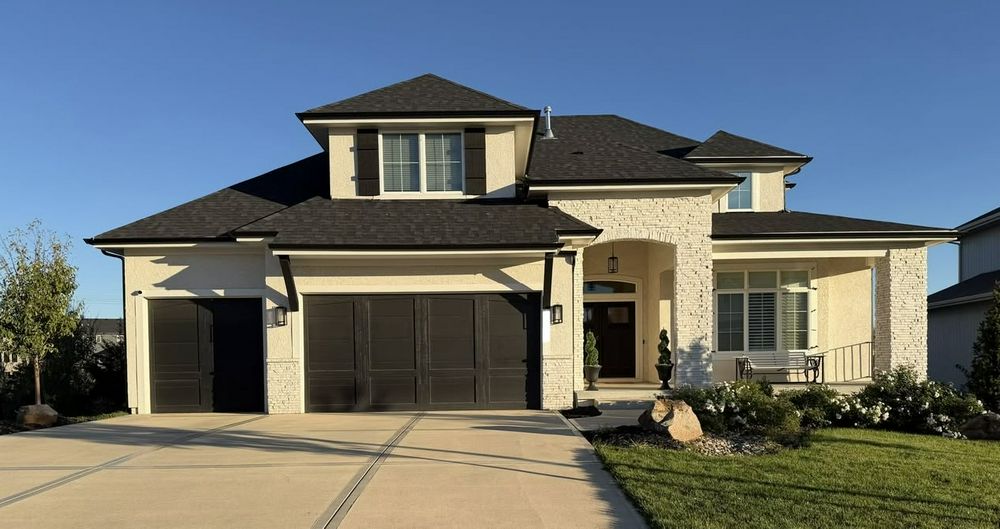
Florida’s real estate market is as varied and vibrant as its landscape, offering a rich tapestry of housing options to suit every lifestyle, budget, and preference. From the sun-drenched coastlines to the tranquil inland communities, prospective buyers can discover a property type that perfectly aligns with their vision of the Florida dream. Understanding the nuances of each category is key to making an informed decision in this dynamic market.
Single-Family Homes in Popular Florida Coastal Communities
Along Florida’s extensive coastline, single-family homes represent the quintessential dream for many seeking a life by the sea. These residences are often characterized by their direct access to the water, whether it’s the sparkling Atlantic Ocean or the tranquil Gulf of Mexico. Waterfront properties frequently feature private docks, allowing homeowners to conveniently store and launch their boats, kayaks, or paddleboards, transforming their backyard into a personal marina.
This proximity to the water also means immediate access to a plethora of recreational activities. Imagine stepping out your door for a morning swim, an afternoon of fishing, or an evening sunset cruise. Many coastal communities boast vibrant social scenes centered around boating, watersports, and beach life. The architectural styles of these homes can range from charming, traditional beach cottages to sprawling, modern villas designed to maximize ocean views and outdoor living.
Large windows, expansive balconies, and private patios are common, blurring the lines between indoor comfort and the breathtaking natural surroundings. Proximity to renowned beaches, world-class golf courses, upscale dining establishments, and boutique shopping further enhances the appeal of these desirable locations. For those who envision a life filled with sunshine, saltwater breezes, and endless outdoor adventures, a single-family home in a Florida coastal community offers an unparalleled lifestyle.
The investment in such a property often includes not just a home, but a gateway to a relaxed and active coastal existence, with potential for strong appreciation due to the enduring demand for prime waterfront real estate. The distinct allure of waking up to the sound of waves and having the ocean as your backyard neighbor is a powerful draw for individuals and families alike.
Condominium Living Versus Townhome Ownership in Urban Florida Centers
In the bustling urban centers of Florida, condominium living and townhome ownership present distinct yet equally appealing options for those seeking a more connected and often lower-maintenance lifestyle. Condominiums, typically found in high-rise buildings or low-rise complexes, offer a lifestyle characterized by shared amenities and a strong sense of community. Residents often enjoy access to facilities such as swimming pools, fitness centers, clubhouses, and sometimes even concierge services, all managed by a homeowners association (HOA).
The appeal here lies in the convenience; exterior maintenance, landscaping, and common area upkeep are generally handled by the HOA, freeing up residents’ time for other pursuits. This makes condos particularly attractive to professionals, retirees, and those who travel frequently. However, this convenience comes with monthly HOA fees, which can vary significantly based on the amenities offered and the size of the community.
Condominium living fosters a community lifestyle where neighbors often interact regularly, whether at the pool or during organized social events. Townhomes, on the other hand, offer a hybrid of single-family home living and condo convenience. They are multi-story residences, often attached to one another, with private entrances and typically a small private outdoor space, such as a patio or balcony.
While townhomes also have HOAs and associated fees, the responsibilities may differ. Homeowners often have more control over their immediate exterior, such as painting or minor landscaping, compared to condo owners. The layout of townhomes often provides more distinct living spaces and a greater sense of privacy than a typical condominium. They are a popular choice for individuals and families who desire more space than a condo but still want to benefit from shared community features and reduced exterior maintenance compared to a detached single-family home.
The urban Florida setting means both options place residents within easy reach of cultural attractions, dining, entertainment, and employment centers, making them strategic choices for those prioritizing accessibility and a vibrant city life.
Manufactured Homes or Mobile Homes in Florida’s Dedicated Communities
Florida’s dedicated manufactured home and mobile home communities offer a compelling pathway to homeownership, particularly for those prioritizing affordability and a relaxed lifestyle. These communities are specifically designed to cater to residents who own their homes but lease the land on which they are situated. The primary advantage is the significantly lower entry cost compared to traditional stick-built homes. Manufactured homes are built off-site in factories under controlled conditions, allowing for efficient production and reduced labor costs, which translates into savings for the buyer.
Beyond the financial benefits, these communities often cultivate a strong sense of camaraderie and shared interests. Many feature an array of amenities tailored to an active and social retirement or leisure lifestyle, including swimming pools, shuffleboard courts, community centers, fitness rooms, and organized social activities like bingo nights, potlucks, and dances. This fosters an environment where residents can easily connect with neighbors, forming friendships and engaging in shared hobbies.
The lifestyle in these communities often emphasizes a slower pace, with ample opportunities for relaxation and recreation. Many are located in desirable areas, sometimes with convenient access to shopping, dining, and healthcare facilities, and some even offer proximity to natural attractions or waterways. While the land is leased, the monthly lot rent typically covers essential services like water, sewer, and trash removal, and sometimes even basic cable.
It’s important for potential buyers to understand the terms of the land lease agreement, including any potential rent increases and community rules and regulations. Despite these considerations, the overall affordability and the vibrant, social atmosphere make manufactured and mobile homes in Florida’s dedicated communities an attractive option for many seeking a comfortable and budget-friendly Florida lifestyle.
Investing in Vacant Land for Future Construction in Various Florida Landscapes
Investing in vacant land in Florida presents a unique set of opportunities and challenges, appealing to those with a vision for future development or a desire to build their dream home from the ground up. The state’s diverse landscapes offer a wide range of possibilities, from sprawling rural expanses in the Panhandle or central Florida to rapidly developing suburban areas on the outskirts of major metropolitan centers.
In rural settings, vacant land can offer significant acreage at a lower price point per acre, providing ample space for agricultural pursuits, private estates, or future development projects. The appeal here lies in the potential for substantial growth as surrounding areas expand. However, rural land often comes with considerations regarding infrastructure, such as access to utilities (water, sewer, electricity) and paved roads, which may require significant investment to establish.
Developing suburban land, while generally more expensive, often benefits from existing or readily accessible infrastructure, making the construction process more straightforward. These parcels are ideal for those looking to build a custom home in an area with growing amenities and proximity to urban conveniences. The challenge with vacant land investment is the inherent uncertainty and the upfront capital required before any return on investment is realized.
Zoning regulations, environmental assessments, and permitting processes can be complex and time-consuming. Market demand for specific types of construction in a given area also needs careful consideration. For instance, investing in land in a coastal region might be influenced by hurricane building codes and flood zone regulations. Conversely, land in areas prone to inland flooding requires diligent assessment of drainage and potential mitigation strategies.
Successful investment in vacant land often hinges on thorough due diligence, understanding local development trends, and having a clear plan for the land’s future use, whether for personal construction, speculative building, or long-term appreciation.
Luxury Estates and Custom-Built Residences in Florida’s Affluent Enclaves
Florida’s affluent enclaves are synonymous with unparalleled luxury, boasting estates and custom-built residences that redefine opulence and exclusivity. These magnificent properties are often found in prestigious communities such as Palm Beach, Naples, or select areas of Miami-Dade and Sarasota counties, where discerning buyers seek the pinnacle of comfort, privacy, and sophisticated living. Architectural styles in these enclaves are as diverse as they are grand, ranging from Mediterranean-inspired villas with ornate details and expansive courtyards to sleek, contemporary designs that emphasize clean lines and panoramic views.
Many custom-built residences are designed by renowned architects, incorporating bespoke features tailored to the owner’s specific tastes and lifestyle. Exclusive amenities are a hallmark of these properties. Think of private infinity pools that seemingly spill into the ocean, state-of-the-art home theaters, climate-controlled wine cellars, gourmet chef’s kitchens equipped with the finest appliances, and expansive master suites with spa-like bathrooms. Outdoor living spaces are often meticulously landscaped, featuring lush gardens, outdoor kitchens, al fresco dining areas, and private cabanas, all designed for grand-scale entertaining or serene personal enjoyment.
Privacy is paramount in these exclusive enclaves. Estates are typically situated on large, secluded lots, often gated or surrounded by mature landscaping, ensuring a tranquil and protected environment. Advanced security systems and dedicated staff quarters are also common features. The appeal of these luxury properties extends beyond the physical structures; it encompasses a lifestyle of prestige, convenience, and access to world-class services, including private clubs, fine dining, and high-end retail.
Investing in such a residence is not merely a property acquisition but an entry into a world of refined living, where every detail is crafted for ultimate comfort and aesthetic excellence. The enduring allure of these estates lies in their ability to offer both a sanctuary and a statement of achievement.
Exploring the geographical and lifestyle considerations when searching for a Florida abode.
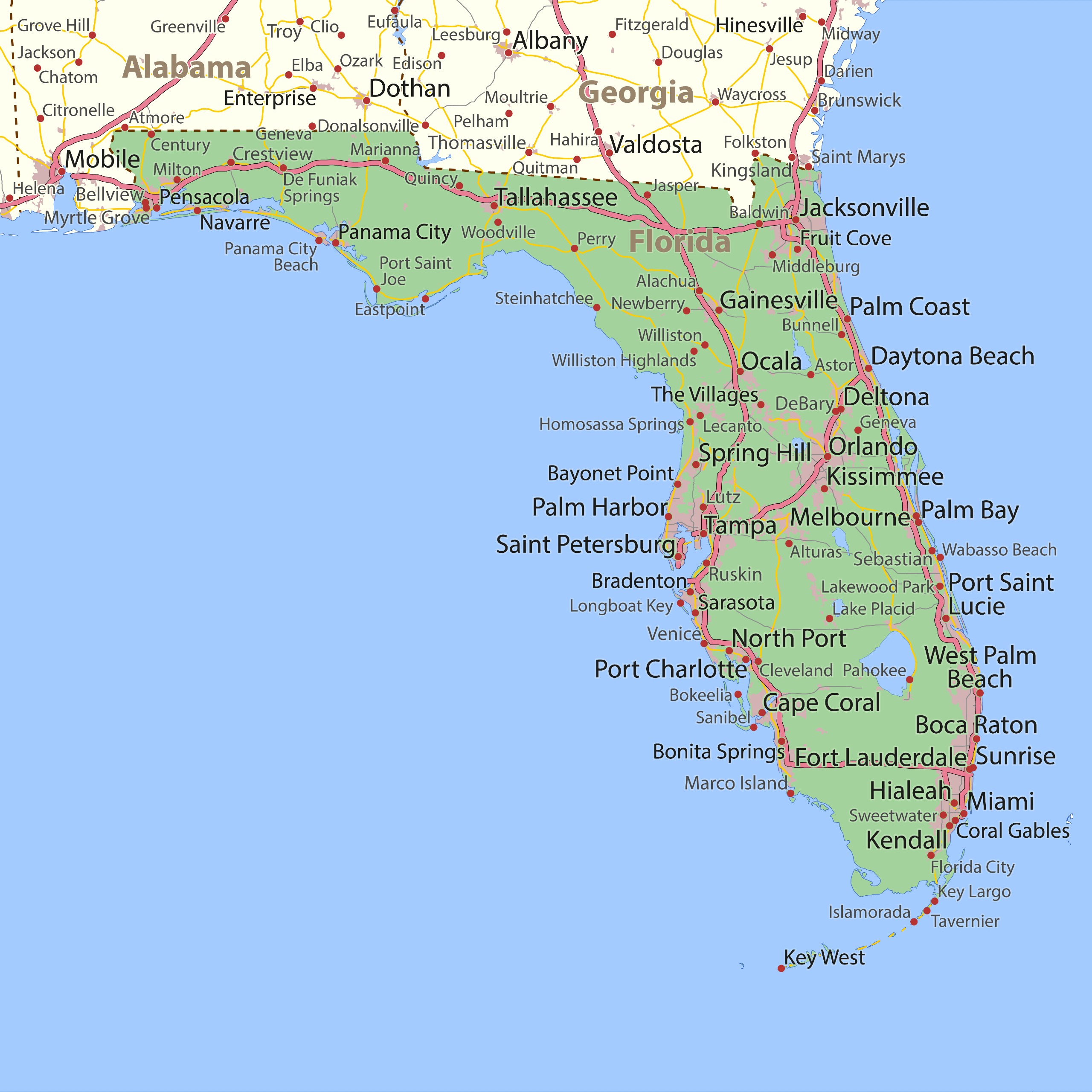
Florida, a state renowned for its sunshine and diverse landscapes, offers a truly unique living experience that is deeply intertwined with its geography. When embarking on the journey to find a Florida home, understanding the distinct regional characteristics and the lifestyle each area affords is paramount. This exploration delves into the multifaceted considerations that shape the decision-making process, from the allure of coastal living to the vibrant pulse of its urban centers and the serene tranquility of its smaller communities.
Atlantic Coast vs. Gulf Coast Living
Florida’s extensive coastline presents two fundamentally different, yet equally captivating, living experiences: the Atlantic coast and the Gulf coast. The Atlantic side, facing eastward, is characterized by its dynamic energy and often more robust wave action, making it a haven for surfers and those who appreciate a livelier ocean environment. Beaches here tend to be wider, with coarser sand, and are known for their strong currents and occasional undertows, which can be a consideration for families with young children or less experienced swimmers.
The weather patterns on the Atlantic coast can be more directly influenced by hurricanes and tropical storms originating in the Atlantic Ocean, often experiencing stronger winds and heavier rainfall during storm seasons. This side of Florida is also home to historic cities like St. Augustine and vibrant metropolises such as Miami and Fort Lauderdale, offering a blend of rich history, international flair, and bustling activity.Conversely, the Gulf coast, stretching along the western edge of the peninsula, is celebrated for its calm, clear, and shallow waters, often described as resembling a warm, turquoise bath.
The beaches here typically feature powdery white sand, exceptionally soft and fine, creating an idyllic setting for sunbathing, shelling, and a wide array of water sports like paddleboarding, kayaking, and snorkeling. The calmer seas make it particularly appealing for families and those seeking a more relaxed aquatic experience. The weather on the Gulf coast, while still subject to hurricane season, often experiences slightly less direct impact from Atlantic-driven storms, with a tendency for warmer, more humid air.
Major hubs on the Gulf coast include Tampa, St. Petersburg, and Naples, each offering distinct atmospheres from the energetic urban sprawl of Tampa to the sophisticated, affluent charm of Naples. The lifestyle differences extend to the local culture, with the Atlantic coast often exhibiting a more cosmopolitan and fast-paced vibe, while the Gulf coast leans towards a more laid-back, resort-like ambiance.
Lifestyle Benefits and Community Dynamics of Major Metropolitan Areas
Florida’s major metropolitan areas offer a dynamic and multifaceted living experience, catering to a wide range of aspirations and lifestyles. Miami, a global hub of culture, finance, and fashion, pulsates with an international energy. Its lifestyle benefits are numerous, including world-class dining, vibrant nightlife, and a rich tapestry of cultural attractions ranging from art deco architecture to diverse music scenes.
Employment opportunities are abundant, particularly in finance, international trade, tourism, and the arts. The transportation network is extensive, with a robust public transit system, including the Metrorail and Metromover, alongside major highways that connect residents to neighboring areas and beyond. The community dynamics in Miami are characterized by their diversity, with a strong Latin American influence shaping its unique character.Orlando, widely known as the “Theme Park Capital of the World,” offers a lifestyle centered around entertainment, family fun, and a growing professional landscape.
Beyond the magical allure of its world-famous attractions, Orlando boasts a thriving job market in sectors like aerospace, technology, and healthcare. The city’s cultural offerings are expanding, with a growing performing arts scene and numerous museums. For families, the abundance of recreational activities, from theme parks to water parks and natural springs, is a significant draw. The transportation infrastructure is well-developed, with Orlando International Airport serving as a major gateway and an expanding network of roads and public transportation options.
The community is diverse and family-oriented, with a strong sense of local pride and a growing number of young professionals drawn to its opportunities and vibrant atmosphere.Tampa, situated on the Gulf coast, offers a blend of urban sophistication and a relaxed coastal lifestyle. Its lifestyle benefits include beautiful beaches nearby, a burgeoning culinary scene, professional sports teams, and a vibrant downtown area.
Employment opportunities are strong in sectors such as healthcare, finance, and logistics. The cultural landscape is rich, with notable museums, theaters, and a lively arts district. Tampa’s transportation network is efficient, with Tampa International Airport facilitating travel and a comprehensive road system. The community dynamics are a mix of long-time residents and newcomers, fostering a welcoming environment with a strong sense of community, particularly in its historic neighborhoods.
Tranquil Charm and Recreational Advantages of Smaller Towns and Rural Communities
Florida’s smaller towns and rural communities offer a distinct and highly appealing lifestyle for those seeking respite from the hustle and bustle of urban centers. These areas are characterized by their tranquil charm, a slower pace of life, and an intimate connection with nature. Access to the outdoors is a primary recreational advantage, with abundant opportunities for activities like fishing, boating, birdwatching, hiking, and exploring natural springs.
Many of these communities are nestled near state parks, wildlife refuges, and pristine natural areas, providing residents with an everyday escape into Florida’s diverse ecosystems. The emphasis on outdoor living fosters a strong sense of well-being and a healthier lifestyle.The community dynamics in these smaller locales are often defined by close-knit relationships and a strong sense of local tradition. Neighbors tend to know each other, fostering a supportive and friendly atmosphere.
Local traditions, whether it’s annual festivals, farmers’ markets, or community gatherings, play a significant role in social life, creating a sense of belonging and shared identity. For those who appreciate authenticity and a genuine connection with their surroundings, these towns offer an unparalleled living experience. The cost of living is often more affordable compared to major metropolitan areas, making homeownership more accessible.
While employment opportunities might be more limited in certain specialized fields, many residents find fulfilling work in local businesses, agriculture, or enjoy the benefits of remote work. The absence of large-scale commercial development often preserves the natural beauty and historical character of these regions, offering a peaceful and unhurried existence.
Unique Appeal and Practicalities of Residing in Florida’s Retirement Communities
Florida has long been a premier destination for retirees, and its dedicated retirement communities offer a unique living experience tailored to the needs and desires of its senior population. The appeal of these communities lies in their comprehensive amenities, vibrant social activities, and the inherent peace of mind that comes with age-restricted living environments. Residents often find themselves in communities designed for comfort, convenience, and an active lifestyle.
Amenities commonly found include well-maintained clubhouses, swimming pools, fitness centers, golf courses, walking trails, and dedicated spaces for hobbies and crafts. These facilities are designed to promote health, wellness, and social engagement, ensuring residents have ample opportunities to stay active and connected.The social fabric of retirement communities is a significant draw. Organized activities, from planned outings and excursions to on-site classes, lectures, and social gatherings, are a daily occurrence.
This fosters a strong sense of camaraderie and combats potential feelings of isolation, allowing residents to build new friendships and maintain active social calendars. The age-restricted nature of these communities, typically requiring at least one resident to be 55 years or older, ensures a shared understanding and lifestyle among neighbors. This can lead to a more peaceful and harmonious living environment, free from the disturbances often associated with younger demographics.
Practicalities such as on-site maintenance, security services, and sometimes even transportation assistance contribute to a hassle-free living experience. For many, the appeal is in the simplified lifestyle, allowing them to focus on enjoying their retirement years with ease and purpose, surrounded by peers who share similar life stages and interests.
Comparative Analysis: Florida’s Panhandle vs. Southern Tip
Florida’s Panhandle and its southern tip represent two vastly different geographical and climatic zones, each offering a distinct set of lifestyle offerings and housing market characteristics. The Panhandle, stretching across the northwestern part of the state, shares a more subtropical climate with its southern neighbors but experiences slightly cooler winters and a more pronounced four-season feel, though still mild by national standards.
Its coastline, particularly along the Emerald Coast, is famed for its pristine white-sand beaches and clear, emerald-green waters, drawing comparisons to the Caribbean. The cost of living in the Panhandle is generally lower than in the southern tip, with more affordable housing options, especially outside of the prime beachfront areas. Popular pastimes include fishing, boating, water sports, and exploring the region’s numerous state parks and historical sites.
The pace of life tends to be more relaxed, with a strong sense of Southern hospitality. Major cities like Pensacola and Tallahassee offer cultural attractions and employment opportunities, but the overall atmosphere is less densely populated and more laid-back than in South Florida.In stark contrast, Florida’s southern tip, encompassing areas like Miami-Dade, Broward, and Palm Beach counties, experiences a true tropical climate with warm temperatures year-round and very little temperature fluctuation between seasons.
This region is characterized by its vibrant, cosmopolitan atmosphere, driven by international tourism, finance, and a diverse array of industries. The cost of living here is significantly higher, with housing prices, particularly in desirable coastal areas, being among the highest in the state. The housing market is dynamic and often competitive, with a strong demand for luxury properties and investment opportunities.
Popular pastimes include a vast array of water activities, a world-class dining and nightlife scene, and a rich cultural calendar filled with international festivals, art galleries, and performing arts venues. The lifestyle is fast-paced and energetic, attracting a diverse population from around the globe. Transportation networks are extensive, with major international airports and sophisticated public transit systems, though traffic can be a significant consideration.
While the Panhandle offers a more serene and budget-friendly experience, the southern tip provides unparalleled access to global culture, economic opportunities, and a high-energy, year-round lifestyle.
Understanding the current dynamics and future projections of Florida’s real estate market.
Navigating the vibrant Florida real estate market requires a keen understanding of its driving forces and future trajectory. This dynamic landscape is shaped by a confluence of factors, from the perpetual allure of sunshine and beaches to robust economic growth and evolving demographic trends. As prospective buyers and investors, grasping these elements is paramount to making informed decisions and capitalizing on opportunities within this ever-changing environment.
This section delves into the core components that influence property values, the regional variations in housing supply and demand, the impact of seasonal cycles, the role of new development, and the significant influence of current interest rate environments.
Primary Factors Influencing Property Values in Florida
Florida’s real estate market is a powerful engine fueled by several key drivers that consistently shape property values. Foremost among these is relentless population growth. The Sunshine State continues to attract a steady influx of new residents from across the United States and abroad, drawn by its favorable tax policies, warm climate, and diverse lifestyle offerings. This sustained population increase directly translates into heightened demand for housing, pushing prices upward, particularly in desirable coastal and metropolitan areas.
Migration trends, often driven by retirement or seeking new economic opportunities, are a constant contributor to this growth.Tourism, another colossal pillar of Florida’s economy, indirectly but significantly impacts property values. A thriving tourism sector supports a robust rental market, especially in vacation destinations, making investment properties attractive and bolstering the overall real estate ecosystem. The consistent flow of visitors also contributes to local economic development, creating jobs and stimulating ancillary businesses, which in turn enhances the desirability and value of residential properties.
Furthermore, the demand for short-term rentals and second homes for vacationers often drives up prices in tourist-centric regions, creating a competitive market for both investors and permanent residents.Economic development trends are inextricably linked to real estate appreciation. Florida has actively pursued business growth, attracting major corporations and fostering innovation in sectors like technology, aerospace, and healthcare. This economic diversification creates high-paying jobs, drawing skilled professionals to the state and increasing the purchasing power of a segment of the population.
As businesses expand and new industries emerge, so does the demand for housing, from starter homes to luxury residences, further solidifying property values. The state’s commitment to fostering a business-friendly environment, coupled with its natural attractions, creates a powerful synergy that propels real estate forward. The ongoing infrastructure improvements, including transportation networks and public amenities, also play a crucial role in enhancing the appeal and value of communities, making them more attractive to both residents and businesses.
The ripple effect of these economic advancements is a consistent upward pressure on real estate values across many of Florida’s diverse regions.
Comparative Overview of Housing Inventory and Demand in Different Florida Regions
Florida’s vastness encompasses a diverse array of regional markets, each exhibiting unique patterns of housing inventory and demand. Understanding these differences is critical for anyone looking to buy or invest. Areas experiencing significant growth are often characterized by a robust influx of new residents and strong economic development, leading to high demand that frequently outpaces the available housing supply.The southern part of the state, particularly the Greater Miami area, continues to be a hotbed of activity.
Driven by international investment, a thriving job market, and its status as a global financial hub, Miami-Dade, Broward, and Palm Beach counties consistently see high demand for both condominiums and single-family homes. Inventory can be tight, especially in desirable coastal neighborhoods, leading to competitive bidding and steadily rising prices. Similarly, the Tampa Bay region, encompassing cities like Tampa, St. Petersburg, and Clearwater, has experienced explosive growth.
Its affordability relative to South Florida, coupled with a burgeoning tech sector and a desirable lifestyle, has attracted a significant number of new residents. This surge in demand has led to a noticeable tightening of housing inventory, particularly for starter and mid-range homes, prompting increased construction to meet the need.In contrast, some areas of Florida exhibit more stable, albeit still healthy, markets.
Central Florida, outside of the immediate Orlando metropolitan area, might offer a more balanced supply and demand dynamic, though popular towns and communities can still experience periods of intense competition. The Panhandle region, particularly areas like Destin and Pensacola, has a strong seasonal demand tied to tourism and military presence, but may experience more moderate price appreciation compared to the southern economic powerhouses.
You also can investigate more thoroughly about Cheap Mobile Homes for Sale in Palm Beach County to enhance your awareness in the field of Cheap Mobile Homes for Sale in Palm Beach County.
Inland communities, while often more affordable, may see demand driven by local job markets and retirement communities, with inventory levels that can fluctuate based on these specific economic drivers.The concept of “inventory” itself varies significantly. In rapidly growing urban centers, the inventory might consist of a high volume of new construction projects and limited resale properties. In more established, slower-growing areas, the inventory might be dominated by older, resale homes with less new development.
Analyzing these regional nuances allows for a more targeted approach to property search, identifying areas where demand might offer better negotiation opportunities or where long-term appreciation potential is particularly strong due to sustained economic and demographic trends. For instance, while Miami may see rapid price increases, a growing city in Central Florida might offer a more stable investment with steady, predictable growth.
Impact of Seasonal Fluctuations on the Florida Real Estate Market
The Florida real estate market is notably influenced by seasonal fluctuations, creating distinct periods of heightened activity and potential opportunities for negotiation. These cycles are largely driven by climate, tourism patterns, and the migratory habits of both buyers and sellers. Understanding these rhythms can significantly enhance a buyer’s or seller’s strategic advantage.The peak buying season in Florida typically aligns with the cooler months, generally from late fall through early spring, often spanning from November to April.
This period attracts a substantial number of “snowbirds” – individuals from colder northern states who migrate to Florida for the winter. Many of these individuals are actively looking to purchase or rent properties, either as seasonal residences or as permanent homes. This increased buyer pool leads to higher demand, more competition, and consequently, can drive prices upward. Properties listed during these months often receive more attention and may sell faster.
For buyers, navigating this peak season requires swift decision-making and potentially facing multiple offers on desirable properties.Conversely, the summer months, from May to October, often represent a slower period in the Florida real estate market. This is due to the intense heat and humidity, hurricane season, and the general vacation period for families, making it less ideal for relocating or actively house hunting.
During this “off-season,” the number of active buyers typically decreases, leading to less competition. This can present a valuable opportunity for strategic buyers. Properties that may have been listed during the peak season and did not sell might become more open to negotiation. Sellers may be more inclined to accept offers that are slightly below their asking price to secure a sale before the next busy season begins.Potential negotiation strategies can be tailored to these seasonal dynamics.
During the peak season, buyers might need to present their strongest offers upfront, potentially including fewer contingencies, to stand out in a competitive environment. However, even in a seller’s market, understanding comparable sales and local market conditions can still provide leverage. During the off-season, buyers often find themselves in a stronger negotiating position. They can afford to be more patient, conduct thorough due diligence, and potentially secure more favorable terms, including price reductions, seller-paid closing costs, or repair credits.
Sellers listing during the off-season might need to be more flexible on price and terms to attract buyers, but can also benefit from less competition if their property is well-presented and priced competitively. The ebb and flow of seasonal demand is a predictable yet crucial element in the Florida real estate equation.
Role of New Construction and Development Projects in Shaping the Availability and Types of Homes for Sale in Florida
New construction and ongoing development projects play a pivotal role in shaping the availability and diversity of homes for sale across Florida. As the state continues its rapid growth, developers are instrumental in meeting the escalating demand for housing, introducing a wide array of property types and catering to evolving lifestyle preferences. These projects not only expand the overall housing stock but also influence market trends, pricing, and the architectural landscape of communities.The sheer volume of new residential construction in Florida is a testament to the state’s sustained appeal and economic vitality.
From sprawling master-planned communities in the suburbs to high-rise condominiums in urban centers, developers are constantly bringing new inventory to the market. These projects often focus on addressing specific market needs, such as affordable housing initiatives, luxury waterfront properties, or family-friendly neighborhoods with extensive amenities. For instance, in areas like the rapidly growing Tampa Bay region and Central Florida, there’s a significant surge in the construction of single-family homes, townhouses, and apartment complexes designed to accommodate the influx of new residents seeking modern living spaces.New construction also introduces a variety of housing types that might not be readily available in the resale market.
Developers are increasingly incorporating energy-efficient designs, smart home technology, and sustainable building practices into their projects, appealing to a growing segment of environmentally conscious buyers. Furthermore, the development of mixed-use properties, which combine residential units with retail, office, and recreational spaces, is transforming urban cores and creating more walkable, vibrant communities. This trend is particularly evident in cities like Miami, Orlando, and Jacksonville, where developers are aiming to create self-sufficient neighborhoods that offer convenience and a high quality of life.The impact of new development extends beyond simply increasing the number of available homes.
It can also influence the architectural styles and community planning within a region. Developers often aim to create distinct neighborhood identities, incorporating a range of amenities such as community pools, fitness centers, parks, and walking trails, which enhance the overall desirability of the area. This focus on lifestyle amenities is a significant factor for many homebuyers, particularly families and retirees.
Moreover, new construction can set new benchmarks for pricing in an area, as buyers often perceive newer homes with modern features as having higher value. This dynamic can put pressure on older properties to be updated or renovated to remain competitive. In essence, new construction acts as a constant force of innovation and expansion within Florida’s real estate market, continuously redefining the options available to prospective homeowners.
How Current Interest Rate Trends Might Affect Affordability and Purchasing Power for Individuals Seeking a Florida Residence
The prevailing interest rate environment is a critical determinant of affordability and purchasing power for anyone looking to secure a Florida residence. Fluctuations in interest rates have a direct and often significant impact on the monthly mortgage payments for buyers, influencing how much home they can afford and their overall ability to enter the market. Understanding these trends is crucial for strategic financial planning.When interest rates are low, the cost of borrowing money for a mortgage is reduced.
This translates into lower monthly payments for a given loan amount, effectively increasing a buyer’s purchasing power. For example, if interest rates drop from 6% to 4%, the monthly payment on a $300,000 mortgage can decrease by several hundred dollars. This increased affordability allows buyers to either purchase a more expensive home within their budget or to allocate more funds towards a down payment, reducing the overall loan amount and their long-term interest costs.
In a low-interest-rate environment, more individuals may find it feasible to enter the Florida real estate market, contributing to higher demand and potentially driving up property values.Conversely, when interest rates rise, the cost of borrowing increases, leading to higher monthly mortgage payments. A modest increase in interest rates can significantly reduce a buyer’s purchasing power. For instance, if interest rates climb from 4% to 6%, the monthly payment on the same $300,000 mortgage can increase substantially, potentially pushing some buyers out of their desired price range or forcing them to consider smaller or less desirable properties.
This reduction in affordability can cool down the market, leading to decreased demand and potentially moderating price growth or even causing slight price declines in some areas. For individuals already in the market, rising rates can mean re-evaluating their budgets and making compromises on their ideal home.The current interest rate trends in Florida, as elsewhere, are a significant consideration for prospective homeowners.
A period of historically low rates, which fueled a surge in real estate activity in recent years, has given way to a more normalized or elevated rate environment. This shift necessitates a careful assessment of one’s financial capacity. Buyers must factor in not only the purchase price of a home but also the long-term cost of financing it. Pre-approval for a mortgage with a clear understanding of the current rate environment is an essential first step.
It helps potential buyers establish a realistic budget and avoid disappointment. Furthermore, understanding how different loan terms (e.g., 15-year vs. 30-year mortgage) are affected by current rates can provide valuable insights into long-term financial planning and the overall cost of homeownership in Florida.
Identifying Essential Steps and Considerations for a Successful Property Acquisition Journey
Embarking on the path to purchasing a home in Florida is an exciting venture, but one that requires careful planning and execution to ensure a smooth and successful outcome. Navigating the diverse real estate landscape of the Sunshine State involves understanding key processes, leveraging expert guidance, and making informed decisions at every turn. This section delves into the critical steps and considerations that will empower you to acquire your Florida abode with confidence.The journey from dreaming of a Florida home to holding the keys involves a series of interconnected stages, each with its own set of important considerations.
From selecting the right professionals to guide you, to meticulously evaluating potential properties, and skillfully negotiating the terms of your purchase, every action plays a vital role. Understanding these phases and the best practices within them will significantly enhance your experience and lead to a more favorable result.
The Crucial Role of a Qualified Real Estate Agent in Navigating the Florida Property Market
Engaging a skilled and knowledgeable real estate agent is paramount to a successful property acquisition in Florida. These professionals act as your trusted advisors, leveraging their expertise to guide you through the complexities of the market, which can be particularly dynamic and geographically diverse. Their responsibilities extend far beyond simply showing properties; they are instrumental in market analysis, negotiation, and ensuring all legal and procedural requirements are met.
A good agent will thoroughly understand your needs, budget, and lifestyle preferences, then meticulously filter listings to present you with the most suitable options, saving you considerable time and effort. They possess in-depth knowledge of local market trends, including average sale prices, inventory levels, and recent comparable sales, which is crucial for making informed decisions and avoiding overpaying.Furthermore, agents are adept at identifying potential red flags in properties and neighborhoods that a buyer might overlook.
They can advise on areas with strong investment potential, good school districts, or proximity to desired amenities, all based on their local experience. When it comes to the offer and negotiation phase, their expertise is invaluable. They understand market value, can strategically craft an offer that reflects this, and are skilled negotiators who can advocate for your best interests, aiming to secure the property at the most favorable price and terms.
They also manage the intricate paperwork, coordinate with other parties involved such as lenders and inspectors, and ensure deadlines are met, thereby reducing stress and the likelihood of costly mistakes. For instance, an agent familiar with a specific coastal community might advise on flood zone regulations or the long-term implications of coastal erosion, information that could significantly impact your decision and future costs.
Their network of contacts, including reputable inspectors, appraisers, and contractors, further streamlines the process and adds another layer of security to your purchase. Ultimately, a qualified agent transforms a potentially overwhelming process into a manageable and more rewarding experience, acting as your advocate and expert guide throughout the entire Florida property acquisition journey.
Notice beach houses for sale in florida for recommendations and other broad suggestions.
A Structured Approach to Conducting Property Viewings
When it comes to finding your ideal Florida home, a systematic approach to property viewings is essential for making an informed decision. Simply walking through a house without a clear plan can lead to overlooking critical details or becoming overwhelmed by superficial aspects. Developing a structured viewing process, complete with a comprehensive checklist, ensures that you thoroughly assess each property’s suitability, from its core structure to its surrounding environment and potential for future enhancements.
This methodical approach helps you compare properties objectively and identify any deal-breakers early on.Begin each viewing with a clear objective: to assess the property’s condition, functionality, and alignment with your needs. It’s advisable to schedule viewings during daylight hours to get the best natural light and to observe the neighborhood’s activity levels. Before you even step inside, take time to observe the exterior.
Look for signs of wear and tear on the roof, siding, and foundation. Check the landscaping for proper drainage away from the house, and note the condition of driveways and walkways. Once inside, your checklist should guide you through key areas:
- Structural Integrity: Examine walls and ceilings for cracks, water stains, or signs of mold. Pay attention to floors for unevenness or sagging, which could indicate foundation issues.
- Plumbing and Electrical Systems: Test all faucets, toilets, and showers for water pressure and drainage. Check the electrical panel for its amperage and condition, and look for sufficient outlets in each room.
- HVAC System: Inquire about the age and maintenance history of the air conditioning and heating units. If possible, test them to ensure they are functioning properly, especially crucial in Florida’s climate.
- Kitchen and Bathrooms: Assess the condition of cabinets, countertops, and appliances. Check for any signs of leaks or damage around sinks and tubs.
- Windows and Doors: Ensure they open and close smoothly and are in good condition, with no drafts or signs of rot.
- Layout and Flow: Consider how the rooms are arranged and if the layout suits your lifestyle and furniture.
- Storage Space: Evaluate the amount and accessibility of closets and other storage areas.
Beyond the physical structure, consider the neighborhood amenities and potential renovation needs. Are there parks, shopping centers, or public transportation nearby? What is the general upkeep of surrounding properties? For potential renovation needs, think about the scope of work required. A cosmetic update is different from a major structural repair.
For example, a home with older windows might require replacement, a significant expense, whereas a home with dated countertops might only need a refresh. By systematically addressing these points, you can gain a comprehensive understanding of each property’s value and potential, enabling you to make a confident decision.
Guidance on the Offer and Negotiation Process for Purchasing a Florida Home
The offer and negotiation phase is a critical juncture in purchasing a Florida home, where your initial interest is formalized into a binding agreement. This process requires a strategic approach, clear communication, and an understanding of key components like contingencies, earnest money deposits, and counter-offers. Successfully navigating these elements ensures your offer is competitive and protects your interests throughout the transaction.Once you’ve identified a property you wish to purchase, your real estate agent will help you prepare a formal offer.
This document Artikels the price you are willing to pay, the proposed closing date, and any specific terms and conditions. The price offered is often informed by comparable sales in the area, the property’s condition, and current market demand. It’s a delicate balance between presenting a competitive offer and ensuring you’re not overpaying.Contingencies are clauses in the offer that make the sale conditional upon certain events occurring or being satisfied.
These are vital safeguards for buyers. Common contingencies include:
- Financing Contingency: This ensures that the sale is dependent on you securing mortgage financing within a specified timeframe. If you cannot obtain the loan, you can typically withdraw from the contract without penalty.
- Inspection Contingency: This allows you to have the property professionally inspected. If significant issues are discovered, you can request repairs, a credit, or withdraw from the sale.
- Appraisal Contingency: This protects you if the property appraises for less than your offer price. If the appraisal comes in low, your lender may not approve the loan for the full amount, and you can renegotiate or withdraw.
An earnest money deposit (EMD) is a sum of money you provide to the seller as a good-faith gesture to show your seriousness about purchasing the home. This deposit is typically held in an escrow account by a neutral third party, such as a title company. The amount of the EMD can vary but is often a percentage of the purchase price.
If you default on the contract under conditions not covered by contingencies, you may forfeit this deposit.The negotiation process begins once the seller receives your offer. They may accept it, reject it, or present a counter-offer. A counter-offer is the seller’s proposed modification to your original offer, which could involve a different price, closing date, or terms. You then have the option to accept, reject, or counter their counter-offer.
This back-and-forth can continue until both parties reach an agreement. For instance, if your offer is $300,000 with an inspection contingency, and the seller counters at $310,000, you might then counter back at $305,000, or accept their price but request certain repairs be made before closing. A skilled agent will guide you through these negotiations, advising on strategic responses to maximize your chances of a favorable outcome while ensuring all agreements are legally sound.
The Significance of Property Inspections and Appraisals in the Home-Buying Process, Homes for sale in florida
Property inspections and appraisals are two indispensable pillars of the home-buying process, providing crucial insights that can significantly impact the transaction’s outcome. These steps are designed to protect the buyer by verifying the property’s condition and its market value, ensuring that the investment aligns with expectations and financial capabilities. Without these evaluations, buyers would be exposed to substantial financial risks and potential unforeseen problems.A professional property inspection is a comprehensive examination of the home’s physical condition, conducted by a certified inspector.
The inspector assesses various systems and components, including the foundation, roof, plumbing, electrical systems, HVAC, insulation, and structural elements. Their findings are documented in a detailed report, highlighting any existing issues, potential problems, and recommended repairs. For example, an inspection might reveal aging electrical wiring that needs immediate replacement, a significant expense that a buyer would need to factor into their budget or negotiate with the seller.
You also can investigate more thoroughly about beach homes for sale in florida to enhance your awareness in the field of beach homes for sale in florida.
It could also uncover signs of water damage in the basement, indicating a potential mold issue that requires professional remediation. The inspection contingency in your offer allows you to use this report to your advantage. If major problems are identified, you can request the seller to make repairs, provide a credit towards closing costs to cover the repairs, or, if the issues are too extensive or costly, withdraw from the purchase without losing your earnest money deposit.
This process empowers buyers with knowledge, preventing them from purchasing a property with hidden defects that could lead to significant future expenses and headaches.An appraisal, on the other hand, is an unbiased professional opinion of a property’s market value. It is typically ordered by the mortgage lender to ensure that the loan amount is not more than the property is worth.
An appraiser will visit the property, assess its condition, size, features, and recent sales of comparable properties in the area. They consider factors like square footage, number of bedrooms and bathrooms, lot size, and any recent upgrades or renovations. The appraisal report provides a crucial benchmark for the lender. If the appraised value is lower than the agreed-upon purchase price, it can create a gap between what the buyer offered and what the lender is willing to finance.
This is where the appraisal contingency becomes vital. If the appraisal comes in low, the buyer may have several options: they can attempt to negotiate a lower purchase price with the seller, pay the difference in cash, or, if the contingency is in place, withdraw from the sale. For instance, if a home is listed for $400,000 and the buyer offers $395,000, but the appraisal comes back at $380,000, the lender will likely only finance $380,000 (assuming a loan-to-value ratio).
This situation necessitates renegotiation or the buyer covering the $15,000 difference. Both inspections and appraisals are therefore critical risk-management tools, providing a clear picture of the property’s physical state and financial valuation before ownership is transferred.
A Step-by-Step Procedure for the Final Walkthrough and Closing Day for a Florida Real Estate Purchase
The culmination of your Florida home-buying journey arrives with the final walkthrough and closing day, critical stages that ensure all conditions of the sale are met before ownership officially transfers. These steps are designed to provide a last opportunity to verify the property’s condition and to complete the necessary legal and financial transactions. A thorough understanding and meticulous execution of these procedures are vital for a seamless transition into your new home.The final walkthrough typically occurs 24 to 48 hours before the scheduled closing.
Its primary purpose is to confirm that the property is in the same condition as when you last viewed it, and that any agreed-upon repairs have been completed satisfactorily. This is not a second home inspection, but rather a verification of the property’s state immediately preceding the transfer of ownership. You should revisit key areas and systems to ensure everything is functioning as expected.
This includes:
- Testing all Appliances: Ensure that all appliances included in the sale (refrigerator, oven, dishwasher, washing machine, dryer) are present and in working order.
- Checking Fixtures and Utilities: Turn on faucets, flush toilets, and test lights and switches to confirm that plumbing and electrical systems are operational. Verify that heating and cooling systems are working.
- Confirming Repairs: If the seller agreed to make specific repairs, inspect them to ensure they have been completed to your satisfaction.
- Verifying Condition: Look for any new damage, such as scratches on floors, marks on walls, or broken windows, that may have occurred since your last visit.
- Ensuring Inclusions: Confirm that all agreed-upon items, such as window treatments, light fixtures, or landscaping features, are still in place.
If any issues are discovered during the final walkthrough that were not previously addressed or are new, you must immediately notify your real estate agent. They will work with the seller’s agent to resolve these matters before closing. Minor issues might be resolved with a small credit at closing, while more significant problems could potentially delay the closing until they are rectified.Closing day, also known as settlement day, is when the legal transfer of property ownership takes place.
This event typically occurs at the office of a title company or an attorney. You will need to bring a valid form of identification and the remaining funds required for the purchase, usually in the form of a cashier’s check or wire transfer. The closing statement, or HUD-1 form, will be presented, detailing all financial aspects of the transaction, including the purchase price, closing costs, prorated taxes, and any adjustments.
You will sign numerous legal documents, including the mortgage note and deed. The seller will sign the deed, transferring ownership to you. Once all parties have signed and all funds have been disbursed, you will receive the keys to your new Florida home, officially becoming the owner. This meticulously planned final sequence ensures a secure and legally sound transfer of property.
Outcome Summary: Homes For Sale In Florida
As we conclude our journey through the vibrant Florida real estate market, it’s clear that opportunities abound for those seeking a piece of paradise. Whether you envision a sun-drenched coastal retreat, a bustling city dwelling, or a peaceful countryside escape, understanding the diverse property types, financial pathways, and regional nuances is paramount. By leveraging expert guidance and thorough research, your pursuit of a Florida home can transition from aspiration to a rewarding reality, promising a lifestyle enriched by sunshine and endless possibilities.
User Queries
What are the typical property taxes like in Florida?
Property taxes in Florida are generally based on the assessed value of the property and vary by county and local taxing authorities. While Florida does not have a state income tax, property taxes are a significant component of homeownership costs. Exemptions, such as the homestead exemption for primary residences, can help reduce the tax burden.
Are flood insurance requirements strict in Florida?
Yes, flood insurance is often a strict requirement in Florida, especially for properties located in designated flood zones. Lenders typically mandate flood insurance to protect their investment. Even outside of high-risk areas, the state’s susceptibility to hurricanes and heavy rainfall makes flood coverage highly advisable.
What is the best time of year to buy a home in Florida?
The “peak season” for real estate in Florida generally runs from late winter through spring (February to May). During this time, inventory is often higher, and buyers are more active. However, the off-season (summer and fall) can present opportunities for negotiation as there may be less competition.
How important is hiring a real estate agent in Florida?
Hiring a qualified real estate agent is highly recommended in Florida. Agents possess local market knowledge, can guide you through the complex transaction process, negotiate on your behalf, and help you find properties that meet your specific needs and budget, ultimately saving you time and potentially money.
What are some common closing costs for Florida properties?
Common closing costs in Florida include title insurance, escrow fees, recording charges, appraisal fees, loan origination fees, attorney fees, and pre-paid items like property taxes and homeowner’s insurance premiums. These costs can typically range from 2% to 5% of the loan amount.