Florida homes offer a vibrant tapestry of real estate opportunities, from sun-drenched coastal estates to charming inland retreats. This comprehensive exploration delves into the multifaceted world of Florida residences, examining their diverse landscapes, investment potential, lifestyle attractions, financial considerations, and the essential legal framework surrounding their acquisition. Whether you’re a prospective buyer, a seasoned investor, or simply curious about the Sunshine State’s property market, prepare to uncover the unique allure and practicalities of owning a piece of Florida.
We will navigate the distinct characteristics of coastal properties, explore architectural nuances across different regions, and address crucial environmental factors like hurricane preparedness. Furthermore, this guide will shed light on property tax variations, compare investment avenues like single-family homes versus condominiums, and highlight emerging trends in the vacation rental sector. Understanding how to identify neighborhoods with strong appreciation potential and assessing the long-term viability of a Florida home for primary or secondary use are also key components of our journey.
Understanding the Diverse Real Estate Landscape Across Florida’s Coastal Regions
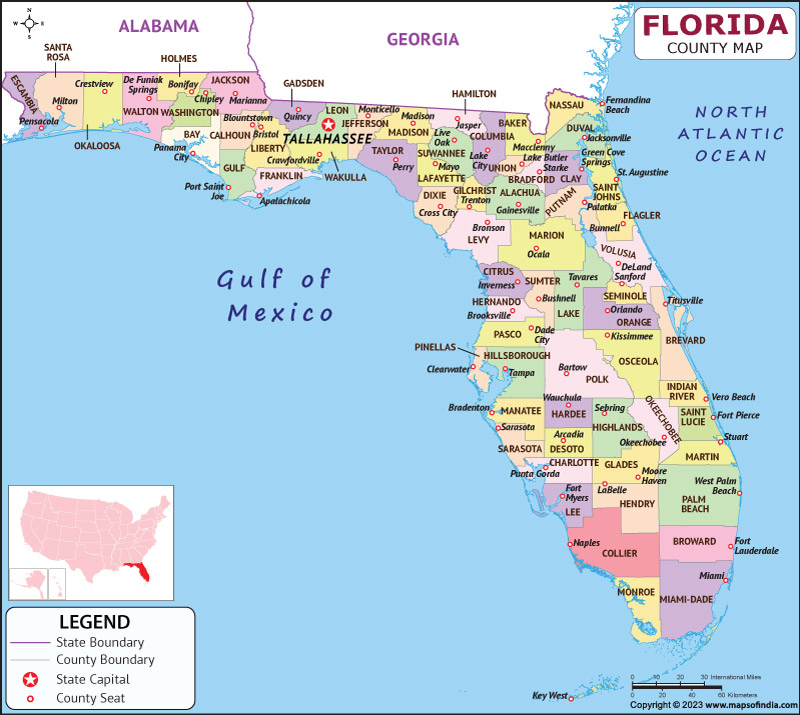
Florida’s coastline is a vast and varied tapestry, offering a remarkable spectrum of real estate opportunities. From the vibrant energy of its southeastern shores to the tranquil beauty of its Gulf Coast, each region presents a distinct character, influencing everything from property types and architectural styles to environmental considerations and tax structures. Understanding these nuances is paramount for anyone looking to invest in or relocate to Florida’s coveted coastal areas.
For descriptions on additional topics like beach houses for sale in florida, please visit the available beach houses for sale in florida.
This exploration delves into the unique attributes that define these diverse coastal landscapes, providing insights into what makes each area special.
South Florida Beachfront Properties Versus Gulf Coast Properties
The distinction between beachfront properties in South Florida and those along the Gulf Coast is pronounced, stemming from their geographical positioning, prevailing weather patterns, and the inherent character of their shorelines. South Florida, facing the Atlantic Ocean, typically boasts a more dynamic and often steeper beachfront. This can translate to properties with immediate access to the water, often featuring elevated foundations to mitigate tidal influences.
The oceanfront here is known for its vibrant blue waters and, in many areas, a more active surf, attracting those who enjoy water sports. Architecturally, South Florida beachfront homes often reflect a modern or Mediterranean influence, with clean lines, large windows to capture ocean views, and expansive balconies or lanais. Examples include the sleek, contemporary designs found in Miami Beach and Fort Lauderdale, or the charming, stucco-clad villas in Palm Beach.
The demand here is often driven by international buyers and those seeking a luxurious, high-energy lifestyle.In contrast, Florida’s Gulf Coast is characterized by its calmer, warmer waters and, generally, a more gradual slope to its beaches, often featuring powdery white sand. This creates a more serene and family-friendly atmosphere. Properties here tend to offer broader, more expansive views of the Gulf, with sunsets being a significant draw.
The architectural styles on the Gulf Coast often lean towards coastal-inspired designs, including Florida Cracker style, which emphasizes ventilation and natural light, or more contemporary interpretations that incorporate natural materials and a relaxed, airy feel. Think of the charming bungalows in Naples or the sprawling estates in Sarasota and Clearwater Beach. The pace of life is often perceived as more relaxed, appealing to retirees, families, and those seeking a tranquil escape.
Furthermore, the storm surge potential, while present on both coasts, can differ. The Gulf Coast, particularly areas like Tampa Bay, can be susceptible to hurricanes and tropical storms, but the open ocean fetch of the Atlantic can sometimes lead to more significant wave action in South Florida during severe events. Insurance costs and flood zone designations are critical considerations for both, but the specific risks and property vulnerabilities can vary.
Typical Architectural Styles Prevalent in Different Florida Coastal Communities
Florida’s coastal communities are a visual testament to its rich history, diverse influences, and the unique environmental demands of its tropical and subtropical climate. The architectural styles you’ll encounter are not merely aesthetic choices; they often reflect a deep understanding of how to live comfortably and sustainably in a coastal environment.On the southeastern coast, particularly in areas like Miami, Fort Lauderdale, and Palm Beach, you’ll find a strong presence of Modern and Art Deco architecture.
These styles are characterized by their clean lines, geometric shapes, and often bold use of color. Art Deco, popular in the 1920s and 30s, features decorative motifs, stepped forms, and a sense of glamour, evident in buildings like the historic Colony Hotel in South Beach. Modern architecture, which gained prominence mid-century and continues to evolve, emphasizes functionality, open floor plans, and large expanses of glass to maximize ocean views and natural light.
Examples include the sleek, minimalist designs of many contemporary oceanfront condominiums and private residences.Moving down the coast, especially in areas with a Spanish colonial past, you’ll see the enduring appeal of Mediterranean Revival architecture. This style is characterized by red-tiled roofs, stucco exteriors, arched windows and doorways, wrought-iron details, and often courtyards or fountains. It evokes a sense of timeless elegance and is well-suited to the climate, with its thick walls providing insulation.
The Breakers hotel in Palm Beach is a prime example of its grandeur.Along the Gulf Coast, the styles tend to embrace a more relaxed and airy aesthetic. Coastal or Florida Vernacular styles are prevalent, which include adaptations of the historic Florida Cracker style. This style, designed for hot and humid climates, features high ceilings, large windows and doors for cross-ventilation, raised foundations to catch breezes and mitigate flooding, and wide porches or verandas.
While traditional Cracker homes were simpler, modern interpretations incorporate these principles into larger, more luxurious dwellings. You’ll also find a prevalence of Coastal Contemporary designs, which blend modern open-plan living with natural materials like wood and stone, large windows, and a focus on seamless indoor-outdoor living, often with expansive decks and screened lanais.In some historic towns, like St. Augustine or parts of the Panhandle, you might also see influences of Victorian or Neoclassical styles, though these are less dominant in newer coastal developments.
The key takeaway is that Florida’s coastal architecture is a dynamic fusion, constantly adapting to the environment while drawing inspiration from its history and the desires of its residents for light, air, and connection to the stunning natural surroundings.
Common Environmental Considerations for Purchasing Property in Hurricane-Prone Coastal Zones of Florida
Purchasing property in Florida’s hurricane-prone coastal zones necessitates a thorough understanding of environmental factors that can impact both safety and financial well-being. The dynamic nature of coastal environments, coupled with the increasing intensity of tropical storms, means that due diligence regarding these considerations is not just advisable, but essential.One of the most critical considerations is flood risk and elevation. Florida’s low-lying topography makes many coastal areas susceptible to storm surge and heavy rainfall-induced flooding.
Understanding your property’s designation within the Federal Emergency Management Agency (FEMA) flood maps is paramount. These maps categorize areas based on their likelihood of flooding, which directly influences insurance requirements and the potential for damage. Properties in higher-risk zones (like Zone A or V) will require mandatory flood insurance if you have a federally backed mortgage, and the premiums can be substantial.
Furthermore, the elevation of the structure itself is crucial. Homes built on stilts or elevated foundations are generally more resilient to storm surge. It’s important to inquire about the Base Flood Elevation (BFE) for the property and compare it to the elevation of the lowest floor of the home.Another significant environmental factor is wind resistance. Coastal areas are exposed to high winds during hurricanes.
Building codes in Florida have been progressively strengthened over the years to mandate more resilient construction. When evaluating a property, it’s important to ascertain the age of the roof, the type of windows and doors (impact-resistant glass is highly recommended), and the structural integrity of the building’s framing and connections. Older homes may not meet current wind-load standards, making them more vulnerable.
The presence of mature trees on the property also needs consideration; while they can offer shade, they can also become projectiles during high winds if not properly maintained.The proximity to the coastline and erosion patterns are also key environmental considerations. Properties situated directly on the beachfront are subject to the forces of wave action and potential shoreline erosion. Understanding the historical erosion rates for the specific beach and the property’s distance from the mean high water line can provide insight into its long-term stability.
Coastal construction setbacks and regulations are in place to address this, but it’s wise to be aware of the natural processes at play.Finally, stormwater management and drainage are vital, especially in low-lying areas. Even if a property isn’t directly on the water, inadequate local drainage systems can lead to significant inland flooding during heavy rains associated with tropical systems. Examining the surrounding infrastructure and the property’s own drainage capabilities is important.
Proactive measures like ensuring proper grading around the home and maintaining drainage ditches can help mitigate localized flooding.
Varying Property Tax Structures and Their Impact on Homeowners in Different Florida Coastal Counties
Florida’s property tax system, while statewide, exhibits significant variations in its application and impact across different coastal counties. These differences are primarily driven by local millage rates, the assessment practices of county property appraisers, and the specific services funded by property taxes in each jurisdiction. For homeowners, understanding these nuances is crucial for budgeting and financial planning.The core of property taxation in Florida lies in the millage rate, which is the tax rate applied to the assessed value of the property.
A mill is one-tenth of a cent, so a millage rate of 10 mills means a tax of $10 per $1,000 of assessed value. Millage rates are set annually by various local taxing authorities, including county commissions, school boards, and special districts (like fire or water management districts). Consequently, two identical homes in adjacent counties could have vastly different tax bills simply due to differing millage rates.
For example, a home valued at $400,000 with a millage rate of 15 mills would owe $6,000 in property taxes (before any homestead exemptions), whereas the same home in a county with a 20-mill rate would owe $8,000.The assessed value of a property is also a significant factor. In Florida, homesteaded properties (owner-occupied primary residences) benefit from the Save Our Homes amendment, which caps the annual increase in assessed value at 3% or the percentage change in the Consumer Price Index (CPI), whichever is less.
This cap is crucial for long-term homeowners, as it can significantly lag behind market value increases. However, for new buyers, the initial assessed value will be closer to the market value, and their taxes will reflect this. Property appraisers in each county are responsible for determining these assessed values. Their methodologies and the frequency with which they update values can lead to disparities.
Some counties may have more aggressive appraisal practices than others.Furthermore, the range of local services funded by property taxes can vary considerably. Coastal counties with extensive infrastructure needs, such as robust beach renourishment programs, advanced stormwater management systems, or high-cost public safety services (e.g., specialized marine rescue units), may necessitate higher millage rates to fund these initiatives. Counties that rely more heavily on tourism-driven revenue might have different funding priorities, potentially influencing their property tax structures.Consider the economic profiles of different coastal counties.
Affluent areas with a high concentration of luxury properties might have a broader tax base, potentially allowing for lower millage rates while still generating substantial revenue. Conversely, counties with a significant portion of their tax base in lower-value properties or with a high number of tax-exempt entities might need higher rates to meet their financial obligations. For instance, counties in South Florida, with their high property values and demand for extensive public services, often have different tax structures compared to some Panhandle counties with a more dispersed population and potentially different service demands.
It’s advisable for potential buyers to research the specific millage rates and property tax history of the county and even the specific taxing districts within which a property is located.
Navigating the Investment Potential of Florida Residences for Different Buyer Types
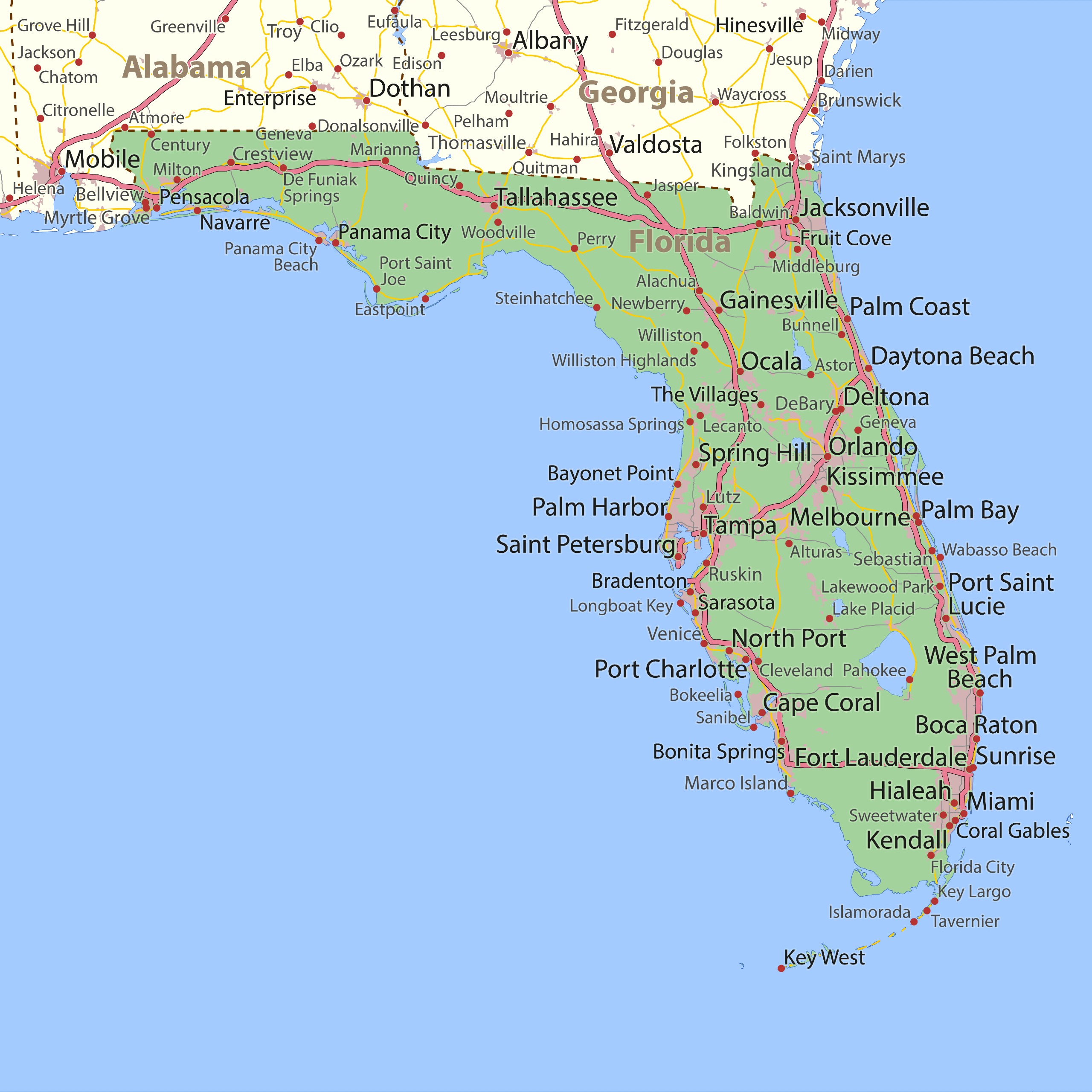
Florida’s diverse real estate market offers a compelling landscape for a wide array of investors, from those seeking a primary residence to seasoned property magnates. Understanding the nuances of different property types and market trends is crucial for maximizing returns and achieving investment goals. This section delves into key considerations for buyers looking to invest in Florida residences, focusing on property types, rental market dynamics, appreciation potential, and long-term viability.
Single-Family Homes Versus Condominiums in Popular Florida Metropolitan Areas
When considering an investment in a Florida metropolitan area, the choice between a single-family home and a condominium presents distinct advantages and disadvantages, each catering to different buyer profiles and investment strategies. Single-family homes often represent a more traditional investment, offering greater autonomy and potential for long-term appreciation through land ownership and customization. However, they typically come with higher purchase prices, more extensive maintenance responsibilities, and potentially higher property taxes and insurance costs, especially in coastal zones prone to hurricanes.
In contrast, condominiums offer a more accessible entry point into desirable locations, often featuring shared amenities like pools, gyms, and security, which can be attractive to renters and vacationers. The primary drawback of condominiums lies in the associated homeowners association (HOA) fees, which can be substantial and are subject to increases. Furthermore, HOA regulations can limit rental flexibility and property modifications.
In bustling areas like Miami-Dade or the Tampa Bay region, single-family homes in established neighborhoods might offer stability and growth, while well-located condos in tourist hubs such as Orlando or Fort Lauderdale can yield strong rental income but are subject to market fluctuations and HOA governance.
Emerging Trends in Florida Vacation Rental Markets and Investment Strategies
The vacation rental market in Florida is a dynamic sector, continually evolving with changing traveler preferences and technological advancements. One significant trend is the increasing demand for unique and experiential stays, moving beyond standard hotel rooms. This includes a rise in interest for private villas, themed properties, and accommodations offering specific amenities like private pools, pet-friendly features, or proximity to major attractions.
Technology plays a pivotal role, with platforms like Airbnb and Vrbo dominating bookings, and smart home technology becoming a standard expectation for convenience and security. Investment strategies in this arena often focus on properties in high-demand tourist destinations, such as theme park-adjacent areas in Orlando, the pristine beaches of the Gulf Coast (e.g., Sarasota, Naples), or vibrant city centers like Miami.
Successful investors are also prioritizing properties that offer flexibility for short-term rentals while also being appealing for longer stays, thereby maximizing occupancy rates throughout the year. Diversifying rental income streams by offering packages or local experiences can further enhance profitability. Additionally, understanding local regulations regarding short-term rentals, which vary significantly by county and city, is paramount to avoid legal complications and ensure sustainable income.
For instance, areas like Key West have stringent regulations, while others are more permissive.
Identifying Florida Neighborhoods with Strong Property Value Appreciation Potential
Identifying neighborhoods poised for significant property value appreciation over the next five years requires a blend of forward-thinking analysis and an understanding of economic and demographic drivers. Key indicators to scrutinize include planned infrastructure developments, such as new transportation links or commercial centers, which often spur growth and increase desirability. For example, the expansion of the Brightline passenger rail service connecting major Florida cities is already influencing property values in areas around its stations.
Economic diversification and job growth are also critical; areas attracting new businesses and a skilled workforce tend to see increased housing demand. Neighborhoods undergoing gentrification or revitalization efforts, often characterized by improving public spaces, new local businesses, and a growing sense of community, also present strong appreciation potential. Researching historical appreciation rates is a useful starting point, but it’s essential to look beyond past performance to future catalysts.
Consider areas experiencing a population influx, particularly from other states, as this sustained demand can outpace supply. For instance, areas in Central Florida beyond the immediate Orlando tourist core are experiencing growth due to affordability and a strong job market. Evaluating the quality of local schools, crime rates, and access to amenities like parks and shopping centers provides a comprehensive picture of a neighborhood’s long-term appeal.
Framework for Assessing Long-Term Viability of a Florida Residence: Primary Home vs. Secondary Investment
The decision to purchase a Florida residence as a primary home or a secondary investment necessitates a thorough assessment of personal financial goals, lifestyle considerations, and market outlook. When considering a primary home, the focus shifts to affordability, community fit, and long-term personal satisfaction. Factors such as proximity to work, schools, and lifestyle amenities are paramount. The emotional aspect of creating a home is significant, and the property must align with one’s vision of daily living.
From an investment perspective, a primary home can still build equity over time, but the primary driver is often not immediate financial return. Conversely, a secondary investment, whether a vacation home intended for rental income or a pure investment property, prioritizes financial returns, cash flow, and capital appreciation. Here, location, rental demand, property management costs, and market trends take precedence.
In this topic, you find that homes mobile homes is very useful.
A detailed financial analysis is crucial, projecting rental income, expenses (including property management fees, maintenance, insurance, and taxes), and potential appreciation. For instance, a property in a high-demand tourist area like Destin might offer excellent rental yields but require professional management, whereas a property in a less tourist-centric but growing metropolitan area might offer slower but steadier appreciation with lower management overhead.
A crucial element for both is understanding the total cost of ownership, including potential insurance hikes in coastal areas and the impact of property taxes. The long-term viability hinges on whether the property meets the owner’s primary objectives, be it personal fulfillment, consistent income generation, or capital growth, all while being resilient to market fluctuations and economic shifts.
Exploring the Lifestyle and Community Aspects of Florida Homeownership
Beyond the sun-drenched beaches and thriving investment opportunities, owning a home in Florida offers a distinct lifestyle deeply intertwined with its diverse communities and abundant recreational pursuits. The Sunshine State is a tapestry woven with vibrant local cultures, catering to a wide spectrum of preferences and life stages. Understanding these lifestyle and community aspects is crucial for prospective homeowners seeking not just a property, but a place to truly call home.Florida’s allure lies in its commitment to an active and engaging way of life.
From the sprawling metropolitan areas to the tranquil, coastal enclaves, residents are consistently presented with opportunities for recreation and enjoyment. These amenities are not merely afterthoughts but are often central to the appeal of a community, shaping daily routines and fostering a strong sense of belonging.
Recreational Opportunities and Community Amenities
Florida communities are renowned for offering a rich array of recreational activities and amenities designed to cater to virtually every interest and age group. This focus on outdoor living and active engagement is a cornerstone of the Florida lifestyle, contributing significantly to the desirability of its residential areas. The state’s warm climate throughout much of the year provides an extended season for enjoying these facilities, making them a year-round asset.Coastal regions, naturally, boast an unparalleled access to water-based recreation.
This includes opportunities for boating, fishing, kayaking, paddleboarding, and, of course, swimming and sunbathing on the state’s iconic beaches. Many communities have developed extensive waterfront parks and marinas, equipped with boat launches, fishing piers, and rental facilities. Beyond the immediate coastline, inland areas often feature numerous lakes and rivers, offering similar aquatic adventures. Golf is another immensely popular pastime, with Florida being home to hundreds of meticulously maintained golf courses, many of which are integrated into residential communities, providing residents with convenient access to tee times.Beyond the athletic and aquatic, Florida communities excel in providing diverse recreational and social hubs.
This often includes:
- Community Centers: These serve as central gathering places, offering fitness classes, workshops, social events, and meeting spaces for local clubs and organizations.
- Parks and Green Spaces: From small neighborhood parks with playgrounds to expansive county and state parks with hiking trails, nature preserves, and picnic areas, green spaces are abundant and well-maintained, encouraging outdoor exploration and relaxation.
- Sports Facilities: Many communities feature public and private sports complexes with tennis courts, basketball courts, swimming pools, and even specialized facilities for sports like pickleball, which has seen a surge in popularity.
- Cultural Venues: While not strictly recreational, theaters, art galleries, museums, and live music venues contribute to a vibrant community life and offer enriching experiences.
- Active Adult Communities: These specialized neighborhoods often feature extensive amenity packages, including dedicated clubhouses, swimming pools, fitness centers, social calendars, and organized activities tailored to the interests of older adults.
The presence of these amenities not only enhances the quality of life but also plays a significant role in property values and the overall desirability of a Florida residence. They foster social interaction, promote healthy lifestyles, and create a dynamic living environment that attracts a broad range of buyers.
Cultural Influences Shaping Florida’s Residential Character
Florida’s unique cultural mosaic is a direct reflection of its rich history and diverse population, profoundly shaping the character and appeal of its residential areas. The state’s position as a gateway between North America and the Caribbean, coupled with its historical ties to Spanish, British, and French colonial powers, has resulted in a fascinating blend of traditions, architectural styles, and community flavors.
This cultural richness is palpable as one moves from one region to another, offering distinct living experiences.In South Florida, particularly in areas like Miami-Dade County, the influence of Latin American and Caribbean cultures is undeniable. This manifests in vibrant music scenes, a diverse culinary landscape featuring flavors from Cuba, Puerto Rico, Colombia, and beyond, and a lively, cosmopolitan atmosphere. Neighborhoods often have distinct ethnic enclaves, such as Little Havana or Little Haiti, where cultural traditions are celebrated and preserved, offering residents an immersive experience.
The architecture in these areas can range from Art Deco gems in Miami Beach to contemporary high-rises overlooking the ocean, reflecting a fusion of international styles and modern design.Central Florida, often referred to as the “Theme Park Capital of the World,” has a culture that is heavily influenced by tourism and a more family-oriented demographic. While this can create a bustling environment, many residential areas surrounding these attractions offer a more suburban feel with a focus on community events, family-friendly amenities, and a generally more relaxed pace of life compared to the coastal hubs.
The cultural landscape here is often shaped by the influx of residents from across the United States seeking a warmer climate and access to entertainment.The Panhandle region of Florida, with its deep Southern roots, exhibits a distinct cultural identity characterized by a slower pace, a strong sense of tradition, and a focus on natural beauty. Towns like Pensacola and St.
Augustine, with their historic architecture and maritime heritage, offer a glimpse into Florida’s past. The culinary scene often features Southern comfort food and fresh seafood, while community gatherings might revolve around local festivals and traditions. The architecture here tends to be more traditional, with charming historic homes and beach cottages.Further inland, areas around cities like Orlando and Tampa have developed their own unique cultural identities, often blending influences from the surrounding regions and a growing influx of tech and business professionals.
These urban centers boast thriving arts scenes, diverse dining options, and a dynamic mix of residential styles, from historic bungalows to modern apartment complexes. The common thread across many of these diverse areas is an appreciation for outdoor living, a welcoming spirit, and a continuous evolution driven by new residents and their contributions to the cultural fabric.
Demographics and Community Engagement in Established Neighborhoods, Florida homes
Established Florida neighborhoods, those that have seen significant development and have a history of residency, often exhibit distinct demographic profiles and levels of community engagement. These areas tend to have a more settled population, which can contribute to a stronger sense of community cohesion and a shared investment in the neighborhood’s well-being. Understanding these characteristics can provide valuable insights for those looking to integrate into an existing community.The demographics in established Florida neighborhoods can vary significantly based on location and historical development.
Many older, well-established communities, particularly in areas that were popular retirement destinations decades ago, still retain a higher proportion of senior citizens. These residents often contribute to a slower pace of life and a focus on quiet enjoyment and social activities within the neighborhood. However, there is a noticeable trend of younger families and professionals moving into these areas, attracted by more affordable housing options, mature landscaping, and a sense of established charm.
This intergenerational mix can bring new energy and perspectives to the community.Conversely, some established neighborhoods, especially those closer to urban centers or coastal attractions, might have a more diverse age range, including young professionals, families with children, and established middle-aged residents. These areas often benefit from a blend of stable, long-term residents and newer arrivals, creating a dynamic and engaged community.
The presence of good schools, proximity to employment centers, and access to amenities often drives this demographic diversity.Community engagement levels in these neighborhoods are typically characterized by a higher degree of participation in local governance and social activities. Residents often feel a stronger sense of ownership and pride in their neighborhood, leading to active involvement in homeowners’ associations (HOAs), neighborhood watch programs, and local civic groups.
This engagement can manifest in various ways:
- Active HOAs: Many established neighborhoods have well-functioning HOAs that manage common areas, organize social events, and enforce community standards, fostering a sense of order and shared responsibility.
- Volunteerism: Residents often contribute their time and skills to local causes, community clean-up days, or school events, demonstrating a commitment to improving their surroundings.
- Social Gatherings: Neighborhood block parties, holiday celebrations, and informal get-togethers are common, providing opportunities for residents to connect and build relationships.
- Local Governance: Long-term residents may be more inclined to attend town hall meetings, participate in local elections, and voice their opinions on community development, ensuring their interests are represented.
The established nature of these neighborhoods often means that residents have a shared history and a vested interest in preserving the character and quality of life they have come to appreciate. This can lead to a strong sense of belonging and a supportive environment for all residents.
Factors Contributing to a High Quality of Life in Florida
A high quality of life in Florida is a multifaceted concept, driven by a combination of environmental, economic, social, and personal factors that contribute to the overall well-being and satisfaction of its residents. The state’s appealing climate, abundant natural beauty, and diverse lifestyle opportunities create a unique environment conducive to a fulfilling life.One of the most significant contributors is Florida’s enviable climate.
With warm temperatures year-round and abundant sunshine, residents can enjoy outdoor activities and a more active lifestyle throughout the year. This reduces the seasonal limitations often experienced in other parts of the country and promotes a generally more optimistic and energetic outlook. The proximity to stunning natural landscapes, including miles of pristine beaches, crystal-clear springs, and lush natural areas, further enhances this quality of life by providing endless opportunities for recreation, relaxation, and connection with nature.Economic factors also play a crucial role.
Florida’s robust job market, particularly in sectors like tourism, healthcare, technology, and aerospace, provides ample employment opportunities. Furthermore, the state’s favorable tax policies, including the absence of state income tax, allow residents to retain a larger portion of their earnings, contributing to greater financial freedom and disposable income for leisure and personal pursuits. The affordability of housing, especially when compared to some other popular coastal states, can also be a significant factor in achieving a high quality of life.Social and community aspects are equally important.
Florida offers a diverse range of communities, each with its unique character and amenities. Whether one seeks the vibrant cultural scene of a major city, the tranquil pace of a small coastal town, or the active lifestyle of a master-planned community, there is a place to suit nearly every preference. The strong emphasis on outdoor living, coupled with a wide array of recreational facilities, encourages social interaction and fosters a sense of belonging.
The presence of excellent healthcare facilities, good educational institutions, and a variety of cultural and entertainment options further contributes to a well-rounded and high-quality living experience.Finally, personal factors such as access to healthcare, educational opportunities, and a sense of safety and security are paramount. Florida consistently invests in its infrastructure, including healthcare systems and educational programs, to support its growing population.
The state’s commitment to public safety and its diverse range of community programs aim to ensure that residents feel secure and supported. Ultimately, the combination of natural beauty, economic opportunity, a vibrant social fabric, and a focus on well-being creates an environment where residents can thrive and enjoy a high quality of life.
Investigating the Unique Features of Homes Designed for Florida’s Climate and Environment

Florida’s unique subtropical climate, characterized by intense sunshine, high humidity, and the potential for severe weather events like hurricanes, necessitates a distinct approach to home design and construction. Understanding these specific adaptations is crucial for any prospective homeowner or investor looking to build or purchase in the Sunshine State. These features not only ensure the structural integrity and longevity of properties but also contribute significantly to comfort and cost-effectiveness over time.The prevailing environmental conditions have driven innovation in building materials and construction techniques, resulting in homes that are both resilient and efficient.
From the ground up, Florida residences are engineered to stand against the elements, reflecting a deep understanding of local challenges and a commitment to durable, sustainable building practices. This section delves into the specific elements that make Florida homes uniquely suited to their environment.
Innovative Building Materials and Construction Techniques for Extreme Weather Resilience
Florida homes are built with a strong emphasis on durability, particularly against the threats posed by hurricanes and tropical storms. This resilience is achieved through a combination of advanced materials and robust construction methods that go beyond standard building codes. The foundation is a critical element, often featuring reinforced concrete slabs designed to withstand high winds and potential flooding. For walls, concrete block construction, often reinforced with steel rebar and filled with concrete, is a prevalent choice due to its inherent strength and resistance to impact from flying debris.
This method offers superior protection compared to traditional wood-frame construction found in less volatile regions.Roofing systems are another area of significant innovation. High-wind rated shingles, metal roofing systems with interlocking panels, and robust underlayment are commonly employed to prevent uplift during storms. The attachment of the roof to the structure is equally important, with hurricane clips and straps used to securely fasten rafters and trusses to the wall framing, creating a continuous load path that transfers wind forces to the foundation.
Windows and doors are often upgraded to impact-resistant varieties, featuring laminated glass and reinforced frames that can withstand the force of wind-borne debris. These specialized windows and doors are designed to maintain the building’s envelope even under extreme pressure, preventing catastrophic failure.Furthermore, building codes in Florida are continuously updated to reflect lessons learned from past storm seasons. These codes often mandate specific bracing techniques, stronger fasteners, and higher wind load ratings for building components.
The use of spray foam insulation, for example, not only enhances energy efficiency but also adds structural rigidity to the roof deck. Coastal properties may also incorporate elevated foundations, such as pilings or stilts, to mitigate the risk of storm surge and flooding, a critical consideration for waterfront real estate. The careful selection and integration of these materials and techniques are paramount to ensuring that Florida homes can endure the region’s formidable weather patterns.
Energy-Efficient Design Elements in Florida Residences
Florida’s hot and humid climate presents a significant challenge for maintaining comfortable indoor temperatures and managing energy consumption. Consequently, energy-efficient design elements are not just a luxury but a necessity in Florida residences, leading to substantial savings on utility bills and a reduced environmental footprint. Passive cooling strategies are at the forefront of this approach, aiming to minimize the reliance on active cooling systems.One of the most effective passive cooling techniques is strategic orientation and landscaping.
Homes are often designed with their longer facades facing north and south to minimize direct exposure to the intense afternoon sun. Overhanging eaves and porches provide shade for windows and walls, further reducing heat gain. Landscaping plays a crucial role, with the careful placement of deciduous trees on the south and west sides of a home offering natural shade in the summer months while allowing sunlight to penetrate and warm the house in the cooler winter.Ventilation is another key component.
Operable windows placed on opposite sides of the house and at different heights create a natural cross-breeze, allowing hot air to escape and cooler air to enter. Whole-house fans and attic vents are also employed to exhaust hot air accumulated in the attic space, which can significantly impact the overall temperature of the home. Insulation is also critical, with high R-value insulation in attics and walls preventing heat transfer from the exterior.
Reflective roofing materials, often white or light-colored, are used to bounce sunlight away from the house, reducing the amount of heat absorbed by the roof.Solar readiness is increasingly being integrated into new home construction. This involves pre-wiring homes for solar panel installation, ensuring that the electrical system can accommodate the additional power generation. Many homes are also designed with rooflines and orientations optimized for maximum solar exposure, making the eventual installation of solar panels more efficient and cost-effective.
Advanced window technologies, such as low-emissivity (low-E) coatings and double or triple-paned glass, further reduce heat transfer, keeping interiors cooler and lessening the load on air conditioning systems. These integrated design elements work synergistically to create homes that are not only comfortable but also remarkably energy-efficient in Florida’s demanding climate.
Discover the crucial elements that make Cheap Mobile Homes for Sale in Palm Beach County the top choice.
Advantages of Swimming Pools and Outdoor Living Spaces in the Florida Context
In Florida, swimming pools and expansive outdoor living spaces are more than just amenities; they are integral to the lifestyle and offer distinct advantages that are amplified by the state’s climate and culture. Unlike regions with shorter warm seasons, Florida provides a year-round opportunity to enjoy these features, making them a central element of homeownership. The ability to entertain, relax, and exercise outdoors is a significant draw for residents and a key differentiator for properties.The prevalence of warm weather means that pools are not just for occasional use but can be a daily source of recreation and a focal point for social gatherings.
This extends the usable living area of a home considerably, providing a private oasis for family and friends. Outdoor kitchens, covered patios, and screened enclosures further enhance this functionality, allowing for al fresco dining and comfortable relaxation even during the hottest parts of the day or when insects are prevalent. These spaces are designed to embrace the indoor-outdoor living philosophy that is so popular in Florida.Compared to other regions, the investment in a well-appointed outdoor living space in Florida typically yields a higher return in terms of lifestyle enjoyment and property value.
In cooler climates, the usability of such spaces is limited to a few months of the year, making the long-term cost-benefit less compelling. In Florida, however, the extended season of comfortable weather ensures that these features are utilized extensively throughout the year. This constant use translates into a tangible enhancement of quality of life, which is a significant factor for many homebuyers.Furthermore, the integration of pools and outdoor living areas often includes considerations for the local environment.
Features like drought-tolerant landscaping, efficient irrigation systems, and shaded areas contribute to the sustainability of these spaces. The psychological benefit of having a private retreat for relaxation and recreation is also amplified in a state known for its vibrant and active lifestyle. Ultimately, in Florida, outdoor living spaces and swimming pools are not just additions but essential components that define the quintessential Sunshine State experience, offering unparalleled opportunities for enjoyment and well-being.
Landscaping and Water Management Strategies for Florida’s Residential Properties
Florida’s diverse ecosystems, from coastal dunes to inland wetlands and pine flatwoods, present unique challenges and opportunities for residential landscaping and water management. Effective strategies are crucial for maintaining property aesthetics, conserving precious water resources, and ensuring environmental sustainability. The goal is to create beautiful, functional outdoor spaces that are in harmony with the natural environment.A cornerstone of Florida landscaping is the selection of native and drought-tolerant plants.
These species are naturally adapted to the local soil conditions, rainfall patterns, and climate, requiring less irrigation, fertilizer, and pest control. Examples include vibrant flowering shrubs like Firebush and Porterweed, resilient groundcovers such as Coontie, and majestic trees like Live Oaks and Sabal Palms. These plants not only thrive with minimal intervention but also provide vital habitat and food sources for local wildlife, contributing to biodiversity.Water management is a critical aspect, given Florida’s status as a peninsula with fluctuating water levels and the need for efficient water use.
Rainwater harvesting systems, such as rain barrels and larger cisterns, are increasingly popular for collecting and storing rainwater for irrigation. Permeable paving materials for driveways and walkways allow rainwater to infiltrate the ground, reducing stormwater runoff and replenishing groundwater. The strategic use of mulch around plants helps to retain soil moisture, suppress weeds, and regulate soil temperature.For properties in coastal areas, landscaping must also contend with salt spray and sandy soils.
Salt-tolerant plants like Sea Grape, Wax Myrtle, and various species of sea oats are essential for stabilizing dunes and preventing erosion. Inland, properties may need to address drainage issues, especially in areas prone to seasonal flooding. French drains, swales, and retention ponds are often incorporated into the landscape design to manage excess water and prevent soil saturation.Smart irrigation systems are also becoming standard.
These systems use weather-based controllers or soil moisture sensors to deliver water only when and where it is needed, significantly reducing water waste. The practice of “xeriscaping,” which focuses on water-efficient landscaping, is gaining traction, promoting the use of plants that require little to no supplemental irrigation once established. By embracing these thoughtful landscaping and water management strategies, Florida homeowners can create attractive, resilient, and environmentally responsible residential properties that are well-suited to the state’s unique natural setting.
Epilogue
In essence, the pursuit of Florida homes is a journey filled with exciting possibilities and informed decision-making. From understanding the nuances of diverse regional markets and architectural styles to navigating the financial and legal intricacies, this guide has aimed to equip you with the knowledge needed to make sound choices. Whether you’re drawn to the recreational bounty, the cultural richness, or the robust investment climate, owning a Florida residence promises a rewarding experience, underscored by careful planning and an appreciation for the unique lifestyle the Sunshine State offers.
Questions and Answers: Florida Homes
What are the typical property taxes in Florida?
Property taxes in Florida vary significantly by county and municipality, generally ranging from 0.8% to 2.5% of the property’s assessed value. The Save Our Homes amendment also caps annual increases on homesteaded properties.
Are flood insurance requirements mandatory in Florida?
Flood insurance is typically required by lenders for properties located in designated flood zones (Special Flood Hazard Areas). Even if not mandated by a lender, it is highly recommended for most coastal and low-lying inland properties due to Florida’s susceptibility to heavy rainfall and storm surge.
What is the process for obtaining a mortgage in Florida?
The mortgage process involves pre-approval, loan application, underwriting, appraisal, and closing. Common hurdles include credit score requirements, income verification, and down payment amounts. It’s advisable to shop around with different lenders to find the best rates and terms.
How do I find a reputable real estate agent in Florida?
Look for agents with local market expertise, strong communication skills, and positive client reviews. Professional designations and membership in organizations like the National Association of Realtors (NAR) can also indicate a commitment to ethical practices.
What are the typical closing costs for a Florida home purchase?
Closing costs generally include loan origination fees, appraisal fees, title insurance, attorney fees, recording fees, transfer taxes, and pre-paid items like property taxes and homeowners insurance. These can range from 2% to 5% of the loan amount.