Houses for sale in florida – Florida homes for sale sets the stage for this enthralling narrative, offering readers a glimpse into a story that is rich in detail with casual formal language style and brimming with originality from the outset.
Embark on a comprehensive exploration of the Florida real estate market, delving into the current property landscape, diverse price ranges, and the unique lifestyle advantages that make the Sunshine State a coveted destination. We’ll navigate the essential considerations for a smooth transaction process and uncover the evolving trends shaping its dynamic housing market, providing a thorough understanding for prospective buyers and investors alike.
Detail the diverse price ranges and investment potentials for Florida residences.: Houses For Sale In Florida
Florida’s real estate market presents a wide spectrum of opportunities, catering to various budgets and investment goals. Understanding the typical price ranges and the factors influencing them is crucial for prospective buyers and investors seeking to make informed decisions in this dynamic state. From starter homes to opulent estates, Florida offers diverse options with varying potential for appreciation and rental income.The Sunshine State’s appeal extends beyond its beautiful beaches and warm climate.
A robust economy, growing population, and favorable business environment contribute to its attractiveness as a place to live and invest. This demand, coupled with the unique characteristics of different regions, creates a multifaceted real estate landscape where price points and investment outlooks can differ significantly.
You also will receive the benefits of visiting beach houses for sale in florida today.
Florida Housing Price Spectrum: Entry-Level, Mid-Range, and Luxury Markets
The housing market in Florida is broadly segmented into three main categories: entry-level, mid-range, and luxury. Each segment is characterized by distinct price points, property types, and the contributing factors that drive their valuations.Entry-level homes in Florida typically represent the most affordable segment of the market. These are often smaller single-family residences, condominiums, or townhouses, frequently found in established neighborhoods or in areas undergoing revitalization.
Factors influencing their lower price include age of the property, smaller square footage, and location further from prime coastal areas or major urban centers. These properties are attractive to first-time homebuyers, retirees on a fixed income, or investors looking for lower capital outlay.The mid-range market encompasses a broader array of properties, including larger single-family homes, updated condos, and homes in desirable suburban communities.
These residences offer more space, modern amenities, and often better locations, such as proximity to good schools, shopping, and recreational facilities. The price variations within this segment are influenced by the specific features, the condition of the home, and the demand in the particular neighborhood. This segment appeals to growing families, professionals, and those seeking a comfortable lifestyle.Luxury properties in Florida represent the highest echelon of the real estate market.
This segment includes expansive waterfront estates, penthouses in exclusive high-rises, custom-built homes with premium finishes, and properties in gated communities with extensive amenities. The price drivers here are exclusivity, prime locations (often oceanfront or with private docks), high-end architectural design, advanced smart home technology, and bespoke services. This market attracts affluent individuals, international buyers, and those seeking unparalleled luxury and privacy.
Property Value Appreciation Potential in Florida Markets
The potential for property value appreciation in Florida is influenced by a confluence of economic indicators and development trends, varying significantly across different metropolitan areas and sub-markets.Economic indicators such as job growth, population influx, and interest rate stability play a pivotal role. Areas experiencing strong employment growth tend to attract more residents, thereby increasing housing demand and driving up property values.
Finish your research with information from home houses.
For instance, the tech and healthcare sectors in Orlando have seen significant expansion, contributing to consistent demand for housing. Similarly, the continued migration of retirees and remote workers to the warmer climate of Southwest Florida, such as in Naples and Fort Myers, has historically supported robust appreciation.Development trends, including infrastructure improvements, new commercial projects, and the development of master-planned communities, also significantly impact appreciation.
The expansion of public transportation networks, the construction of new shopping centers, and the revitalization of urban cores can transform neighborhoods and enhance property values. For example, the ongoing development and diversification of industries in Tampa Bay have spurred growth and increased the desirability of its surrounding residential areas.
Comparative Analysis of Florida Metropolitan Areas: Average Price Points and Property Features
To illustrate the diverse real estate landscape, a comparative analysis of three distinct Florida metropolitan areas—Miami, Orlando, and Tampa—highlights the variations in average price points and associated property features. This comparison provides a snapshot of what buyers can expect in terms of investment and lifestyle in these key regions.
| Metropolitan Area | Average Price Point (Approx.) | Typical Property Features | Investment Potential Drivers |
|---|---|---|---|
| Miami | $550,000 – $1,500,000+ | Condominiums with ocean views, luxury townhouses, single-family homes in exclusive enclaves, properties with modern amenities and smart home technology. Proximity to beaches, vibrant cultural scene, and international airport. | Strong international demand, robust tourism, growing financial and trade sectors, limited land availability driving up prices. High potential for rental income from short-term vacation rentals. |
| Orlando | $350,000 – $700,000+ | Single-family homes in suburban communities, townhouses near attractions, condos in growing urban core. Features often include community pools, access to theme parks and entertainment, proximity to universities and major employers. | Steady population growth driven by job creation in technology, healthcare, and tourism. Expansion of educational institutions and infrastructure projects. Potential for appreciation through ongoing development and family-oriented appeal. |
| Tampa | $400,000 – $800,000+ | Single-family homes in established neighborhoods and new developments, waterfront properties, condos in the downtown area. Features can include access to beaches, professional sports, a growing culinary scene, and proximity to business districts. | Diversifying economy with strengths in healthcare, finance, and technology. Significant urban redevelopment and infrastructure investments. Increasing appeal to remote workers and young professionals, fostering steady demand and value growth. |
Financial Considerations and Return on Investment in Florida Properties
Purchasing a property in Florida involves several financial considerations that directly impact the potential return on investment (ROI). Understanding these aspects is crucial for maximizing profitability and ensuring a sound financial decision.Mortgage rates are a primary determinant of affordability and the overall cost of a property. Fluctuations in interest rates can significantly affect monthly payments and the total amount paid over the life of the loan.
Buyers are encouraged to shop around for the best mortgage terms and consider locking in rates when they are favorable.Property taxes in Florida vary by county and municipality but are generally considered competitive. The assessment of property taxes is based on the property’s assessed value. For investors, understanding the local tax rates is essential for calculating operating expenses and net rental income.Rental income possibilities are a significant driver for investors.
Florida’s strong tourism industry and growing permanent population create consistent demand for rental properties, both long-term and short-term vacation rentals.
The average gross rental yield in Florida can range from 4% to 7%, depending on the location, property type, and management strategy.
Areas with high tourist traffic, such as coastal cities and those near major attractions, often command higher rental rates and can offer greater potential for short-term rental income. Long-term rentals in growing metropolitan areas with strong job markets can provide more stable, consistent returns. Careful market analysis, including understanding occupancy rates and competitive rental pricing, is vital for projecting rental income accurately.When considering ROI, it’s important to factor in all associated costs, including mortgage payments, property taxes, insurance, maintenance, potential HOA fees, and property management expenses.
A well-managed property in a desirable location with consistent rental demand can yield substantial returns over time, both through rental income and property value appreciation.
Exploring Florida’s Diverse Lifestyle Advantages
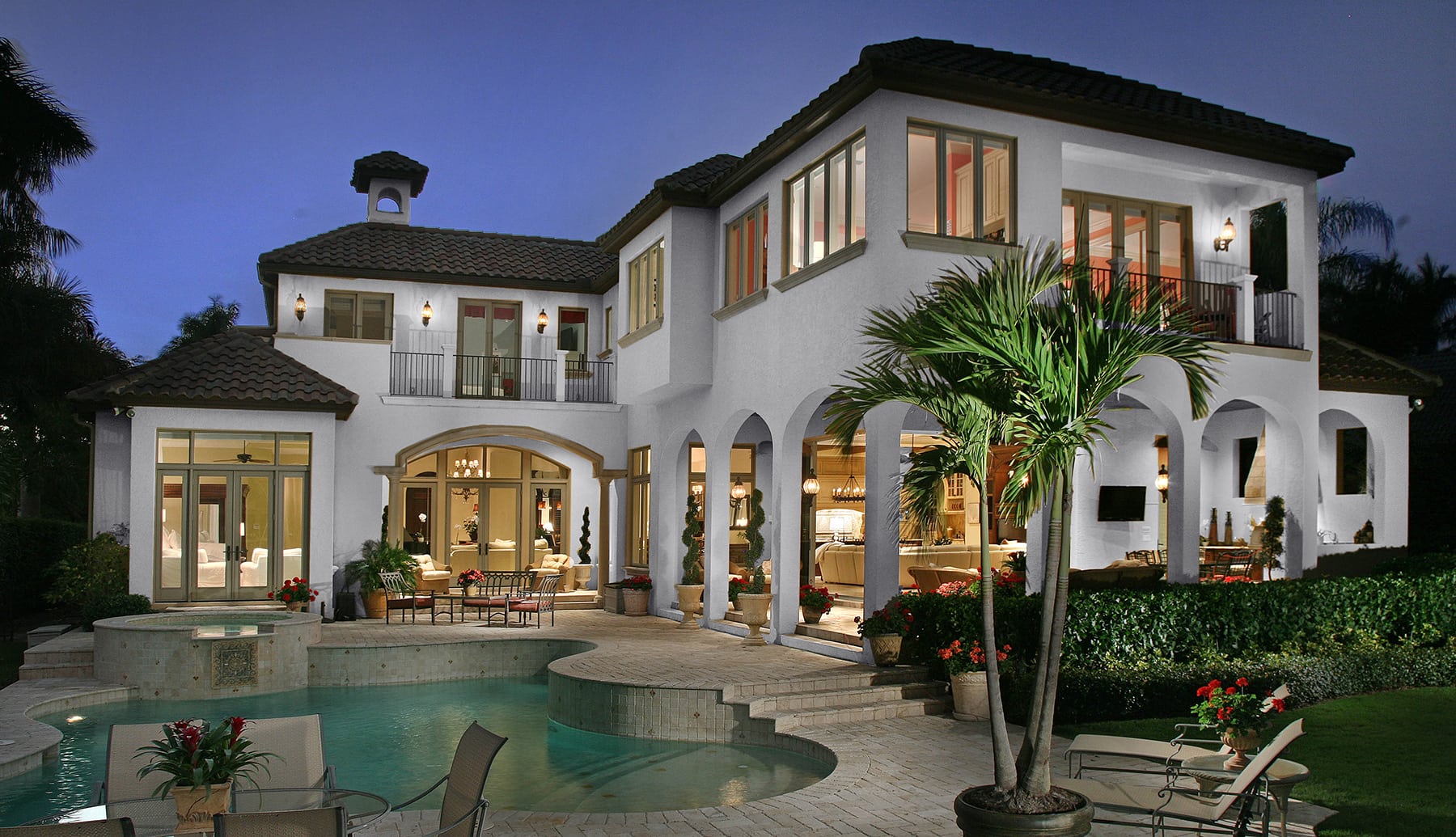
Florida offers a lifestyle that is as varied as its geography, appealing to a broad spectrum of residents. From the sun-drenched shores of its extensive coastline to the tranquil beauty of its inland communities, the Sunshine State provides unique advantages for homeowners seeking a particular way of life. These benefits extend beyond mere climate, encompassing recreational opportunities, cultural experiences, and a distinct community atmosphere that defines the Florida living experience.The allure of Florida’s coastal communities is undeniable, centered around the unparalleled access to its pristine beaches and vibrant water-based activities.
Imagine waking up to the gentle sound of waves, with the promise of a day filled with sun, sand, and sea. This lifestyle is characterized by an abundance of outdoor pursuits, from swimming, sunbathing, and building sandcastles to more adventurous endeavors like surfing, paddleboarding, and deep-sea fishing. Boating and sailing are integral to the coastal way of life, with numerous marinas and waterways providing easy access to the Gulf of Mexico and the Atlantic Ocean.
The atmosphere is often relaxed and vacation-like, even for year-round residents, fostering a sense of well-being and a connection to nature. This constant proximity to the water creates a unique ambiance, influencing everything from local cuisine and social gatherings to the very pace of daily life. Many coastal towns boast lively boardwalks, waterfront restaurants, and charming shops, creating a picturesque setting that draws both tourists and permanent residents.
The ebb and flow of the tides, the vibrant sunsets over the water, and the salty air contribute to an environment that promotes relaxation and active living.
Coastal Versus Inland Living: A Lifestyle Comparison
Residing in Florida presents a distinct dichotomy between the energetic pulse of its southern urban centers and the peaceful rhythm of its central towns. South Florida cities like Miami, Fort Lauderdale, and West Palm Beach buzz with an international flair, offering a cosmopolitan lifestyle rich in cultural attractions. Residents can immerse themselves in world-class art museums, diverse culinary scenes featuring global cuisines, and a vibrant nightlife.
The sheer density of people and activities means there’s always something happening, from music festivals and fashion shows to professional sporting events. The community vibe here is often dynamic and fast-paced, attracting those who thrive on excitement and a constant stream of new experiences.In contrast, Central Florida towns, such as those in the Orlando metropolitan area or smaller communities surrounding its lakes, offer a more serene and family-oriented lifestyle.
While still offering ample recreational opportunities, the focus shifts towards natural beauty and a slower pace. Think sprawling green spaces, numerous lakes perfect for fishing and kayaking, and a strong emphasis on outdoor family activities. Cultural attractions are present, but perhaps more focused on local arts, community theaters, and historical sites. The community vibe is typically more laid-back and neighborly, with a stronger sense of local identity and a greater emphasis on community events like farmers’ markets and local festivals.
Finish your research with information from Cheap Mobile Homes for Sale in Palm Beach County.
This makes it an attractive option for families seeking a quieter upbringing for their children or individuals looking for a more tranquil retirement.
Essential Amenities for Florida Homebuyers
Prospective homeowners in Florida prioritize a range of amenities that enhance their daily lives and ensure convenience. Proximity to quality educational institutions is a significant factor for families with children, influencing decisions on where to settle. This includes access to well-regarded public and private schools, as well as nearby colleges and universities for higher education.Healthcare facilities are another critical consideration.
Buyers look for easy access to hospitals, specialized medical centers, and a network of doctors and dentists to ensure their health and well-being are well-catered for.Entertainment and recreation options play a crucial role in the Florida lifestyle. This encompasses everything from proximity to theme parks and cultural venues to local parks, golf courses, and recreational sports facilities. For many, the ability to engage in activities they enjoy close to home is a key determinant in their purchase decision.Furthermore, access to shopping centers, diverse dining establishments, and essential services like grocery stores and pharmacies contributes to the overall desirability of a location.
For coastal residents, proximity to marinas and water access points is paramount, while inland residents might prioritize access to hiking trails or nature preserves.
A Day in the Life of a Florida Homeowner
Imagine a typical day for a homeowner in a popular Florida locale, perhaps a coastal town on the Gulf Coast like Sarasota. The day begins not with an alarm clock’s jarring ring, but with the gentle sunlight filtering through the blinds, accompanied by the distant, soothing sound of the waves. After a leisurely breakfast on a screened-in lanai overlooking a lush garden or perhaps a glimpse of the bay, the homeowner might decide on a morning walk along the beach, feeling the soft sand between their toes and breathing in the fresh, salty air.Mid-morning could involve a visit to a local farmers’ market to pick up fresh produce and artisanal goods, followed by a casual lunch at a waterfront cafe, enjoying fresh seafood and the vibrant atmosphere.
The afternoon might be dedicated to a favorite hobby – perhaps a round of golf at a nearby course, a visit to an art gallery in the cultural district, or simply relaxing by the community pool with a good book. For families, this could involve taking children to a local park with a playground or a splash pad.As the sun begins its descent, casting a golden hue across the sky, the homeowner might gather with friends for a sunset cocktail cruise or enjoy a quiet evening at home, perhaps grilling dinner to be savored al fresco.
The day concludes with the tranquil sounds of nature and the comforting knowledge of living in a place that offers both natural beauty and a fulfilling lifestyle. This routine, filled with opportunities for relaxation, recreation, and connection, defines the desirable Florida living experience.
Illustrate the evolving trends shaping the Florida housing market.

The Florida housing market is a dynamic landscape, constantly being reshaped by a confluence of economic, social, and technological forces. Understanding these evolving trends is crucial for anyone looking to buy, sell, or invest in Florida real estate. From the way we work to the very design of our homes, significant shifts are underway, promising to redefine the Sunshine State’s residential appeal.The rapid adoption of remote work policies has profoundly impacted housing demand across Florida.
This seismic shift has liberated many professionals from the necessity of living near traditional urban centers, leading to a surge in demand for properties in more suburban and even rural areas, particularly those offering a better quality of life, access to nature, and a lower cost of living compared to major metropolitan hubs. Consequently, we’re seeing increased interest in coastal towns, areas with abundant green spaces, and communities that offer robust amenities for an at-home lifestyle.
This migration is not uniform; while some are seeking tranquility, others are gravitating towards smaller, vibrant cities that offer a balance of affordability and cultural attractions, often dubbed “Zoom towns.” This demographic influx also influences the types of housing in demand. Single-family homes with dedicated home office spaces, larger yards for recreation, and enhanced connectivity are becoming highly sought after.
Conversely, the demand for smaller urban apartments may see a recalibration as individuals prioritize space and lifestyle over proximity to a physical office. The ripple effect extends to rental markets, with a growing need for flexible living arrangements and properties equipped for long-term remote work.
Emerging Architectural Styles and Sustainable Building Practices
Florida’s new residential developments are increasingly reflecting a commitment to both aesthetic appeal and environmental responsibility. Architects and builders are embracing styles that harmonize with the state’s climate and natural beauty, while incorporating advanced sustainable practices to reduce environmental impact and enhance long-term value. This evolution is driven by a growing consumer awareness of climate change, a desire for healthier living environments, and the economic benefits of energy-efficient homes.New residential developments are showcasing a blend of modern aesthetics with traditional Florida charm.
You’ll find an increasing prevalence of “Florida Modern” architecture, characterized by clean lines, open floor plans that maximize natural light and ventilation, and a seamless integration of indoor and outdoor living spaces. This style often incorporates elements like large, impact-resistant windows, deep overhangs for shade, and the use of natural materials such as wood and stone. Another notable trend is the resurgence of “Mid-Century Modern” influences, adapted for contemporary living, featuring low-slung profiles, flat or gently sloping roofs, and a focus on bringing the outdoors in through courtyards and expansive glass doors.In parallel, sustainable building practices are no longer a niche consideration but a core component of modern construction.
This includes the widespread adoption of energy-efficient building envelopes, such as superior insulation and high-performance windows, which significantly reduce cooling costs—a critical factor in Florida’s climate. The integration of solar panels is becoming commonplace, with many new homes designed to be “solar-ready” or fully equipped with photovoltaic systems. Water conservation is another key focus, with the installation of low-flow fixtures, drought-tolerant landscaping (xeriscaping), and advanced rainwater harvesting systems becoming standard.
Furthermore, builders are increasingly prioritizing the use of sustainable and recycled materials, from bamboo flooring to countertops made from recycled glass. Many developments are also seeking green building certifications like LEED (Leadership in Energy and Environmental Design), signifying a commitment to environmental performance throughout the building’s lifecycle.
Influence of Technological Advancements on Home Buying and Selling, Houses for sale in florida
The digital revolution has fundamentally transformed the way homes are bought and sold in Florida, making the process more accessible, efficient, and transparent for all parties involved. Technological innovations are streamlining every stage, from initial property discovery to the final closing.Virtual tours have become an indispensable tool, allowing prospective buyers to explore properties remotely with an unprecedented level of detail.
High-definition 360-degree virtual tours and immersive video walkthroughs enable buyers to get a realistic sense of a home’s layout, size, and features without needing to be physically present. This is particularly beneficial for out-of-state buyers or those with busy schedules. Online property management platforms are also gaining traction, especially for investors. These platforms offer a centralized hub for managing rental properties, handling tenant communication, processing rent payments, and tracking maintenance requests, significantly simplifying the landlord experience.The digital footprint of a property search has expanded dramatically.
Advanced search algorithms on real estate websites provide highly personalized results based on user preferences, location data, and market trends. Digital document signing and secure online transaction portals have accelerated the closing process, reducing the need for physical meetings and paperwork. Furthermore, artificial intelligence (AI) is beginning to play a role in property valuation and market analysis, offering more accurate insights to both buyers and sellers.
The ability to conduct virtual open houses and live-stream property viewings has also added another layer of convenience and reach.
Specific Regional Development Projects and Infrastructure Improvements
Florida’s future housing market value and desirability are intrinsically linked to targeted regional development projects and significant infrastructure improvements. These initiatives are designed to enhance connectivity, stimulate economic growth, and improve the overall quality of life in specific areas, thereby attracting new residents and investors.One prominent example is the ongoing expansion and modernization of Florida’s transportation networks. Projects like the widening of major interstates, the development of new toll roads, and enhancements to public transit systems are making previously less accessible areas more viable for residential development and commuting.
For instance, the expansion of the Brightline passenger rail service, connecting major metropolitan areas like Miami, Fort Lauderdale, West Palm Beach, Orlando, and soon Tampa, is poised to significantly boost the desirability and property values in the corridors it serves. Areas near new or improved stations are likely to see increased demand for both residential and commercial properties as they become more connected and convenient.Furthermore, significant investments in waterfront revitalization and urban redevelopment projects are transforming city centers and coastal communities.
Cities like Jacksonville are undertaking ambitious plans to revitalize their downtown cores and riverfront areas, creating new mixed-use developments that include residential units, retail spaces, and public amenities. Similarly, smaller coastal towns are investing in infrastructure to support tourism and attract a growing population, focusing on improvements to marinas, parks, and public access to beaches. These projects not only enhance the aesthetic appeal of these regions but also create new economic opportunities, making them more attractive places to live and invest.
The development of new tech hubs and innovation districts in areas like Tampa Bay and Orlando is also driving demand for housing, as these centers attract skilled workers seeking employment and a vibrant lifestyle. The planned infrastructure improvements in the Panhandle region, following recent hurricane impacts, are also focused on building more resilient communities, which will influence future development and housing stability.
Final Review

In essence, the Florida housing market presents a vibrant and multifaceted opportunity for those seeking a new residence or investment. From understanding the driving forces behind property availability and price points to appreciating the distinct lifestyle benefits of coastal and inland living, this guide has provided a foundational overview. By carefully considering the transaction process and staying abreast of emerging trends, prospective buyers can confidently navigate their journey to owning a piece of Florida’s desirable real estate, ensuring a rewarding experience in this ever-evolving market.
General Inquiries
What are the typical closing costs for a house in Florida?
Closing costs in Florida typically range from 2% to 5% of the purchase price. This includes expenses like title insurance, appraisal fees, recording fees, attorney fees, and potentially homeowner’s insurance and prepaid property taxes.
How do property taxes work in Florida?
Florida property taxes are determined by local taxing authorities (county, city, school district) based on the assessed value of the property. The Save Our Homes amendment limits annual increases in assessed value for homesteaded properties to 3% or the Consumer Price Index, whichever is less.
Is it a good time to buy a house in Florida?
The best time to buy depends on individual circumstances and market conditions. While some areas may experience fluctuations, Florida’s consistent population growth and desirable climate often support a strong real estate market. Researching specific locations and consulting with a local agent is recommended.
What is the process for making an offer on a house in Florida?
After finding a property, you’ll work with your real estate agent to submit a written offer, which includes the price, financing terms, contingencies (like inspections and appraisals), and a proposed closing date. The seller can accept, reject, or counter your offer.
Are there any specific benefits for first-time homebuyers in Florida?
Florida offers several programs for first-time homebuyers, including down payment assistance and favorable loan options through organizations like the Florida Housing Finance Corporation. Eligibility requirements and program specifics can vary.